

 English
 عربى
عربى 简体中文
简体中文
Home / News / Industry News / ABS vs Plastic: A Practical Material Selection Guide for Thermoforming

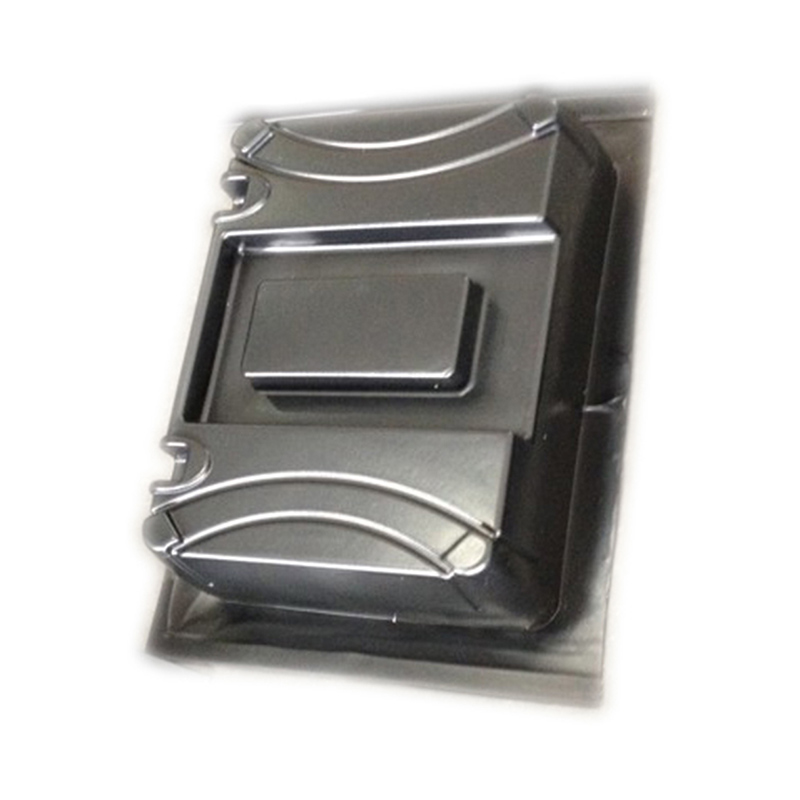
When a packaging buyer asks us to compare acrylonitrile butadiene styrene vs plastic, we know the question really means: should I invest in an engineering terpolymer or stick with a general-purpose resin? The honest answer is that ABS is itself a plastic. The useful question is which material wins in your specific process and application. In our decades of building thermoforming lines, we have seen parts fail because a buyer chose ABS for a low-cost tray, and we have seen other parts fail because a buyer chose PP for a high-impact housing. This guide gives you the practical distinction and a short decision path.
"Plastic" is a broad category that includes PE, PP, PS, PET, PVC, and many others. Each of these commodity resins has its own balance of rigidity, impact strength, price, and temperature resistance. ABS, on the other hand, is a specific terpolymer built from three components:
Because of this three-way synergy, ABS behaves more like a structural material than a packing material. It can produce automotive trim, laptop housings, and medical device enclosures with a finish that looks molded in metal. That is why the comparison "ABS vs plastic" matters: you are comparing a tuned engineering material with a cost-driven commodity family.
For tough, high-precision parts, ABS usually outperforms commodity plastics in four ways:
To make this concrete, here is a quick comparison of ABS against common commodity resins in the properties that typically drive a purchasing decision.
| Property | ABS | Polypropylene | HDPE | Polystyrene |
|---|---|---|---|---|
| Impact strength | Excellent | Limited | Good | Poor |
| Surface gloss | High | Matte | Matte | High |
| Max continuous use temp | 90°C | 100°C | 80°C | 70°C |
| Relative resin cost | High | Low | Low | Low |
| Typical food contact suitability | Limited | Yes | Yes | Yes |
Notice that the commodity resins win on cost and in some cases on food contact, but they cannot match ABS when high impact and surface finish are mandatory.
Buying ABS when the part does not need its toughness is a common purchasing mistake. Here are scenarios where PP, HDPE, or PS are the better fit:
This does not mean commodity plastic is "worse." It means you need to match the material to the real-world stresses of the part.
Material selection does not end with the resin price. It changes how the sheet behaves in your thermoforming machine. ABS and PS are both amorphous polymers, which soften over a broader temperature range and are forgiving in deep-draw forming. Semi-crystalline resins such as PP and HDPE have a sharper melting point. If the heater is too hot, PP collapses; if too cold, it does not fill the detail.
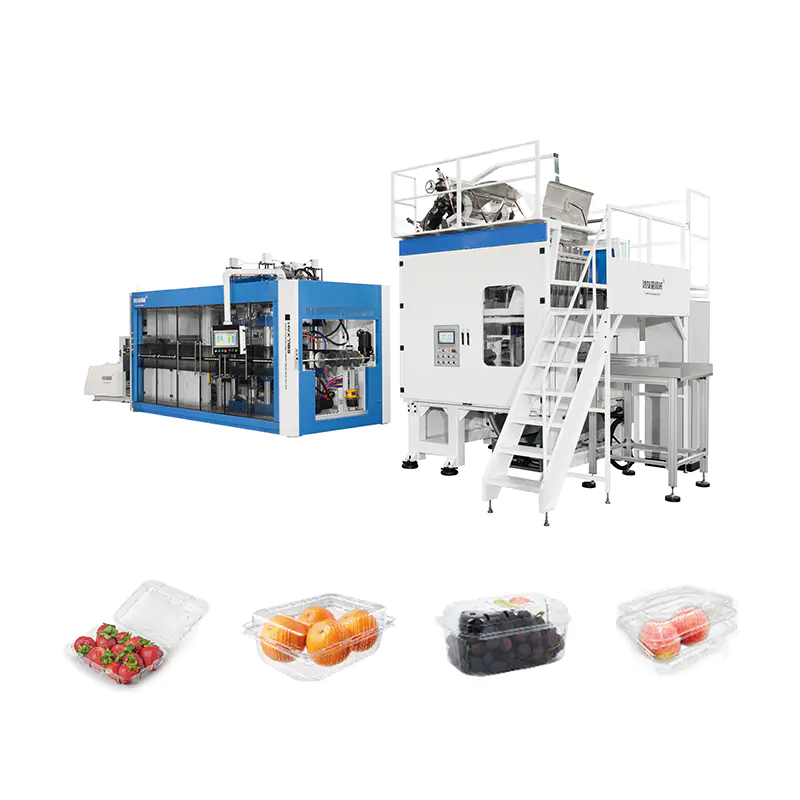
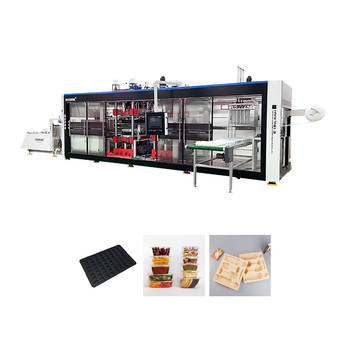
For a HYX7161 fully automatic positive and negative pressure 3-station thermoforming machine, you can run ABS and PP sheets with just a change of heating profile. But the mold design must reflect the material's shrinkage. ABS shrinks about 0.5–0.8%; PP can shrink 1.5–2.5%. If you try to use the same mold for both, the PP part will be undersized or warped.
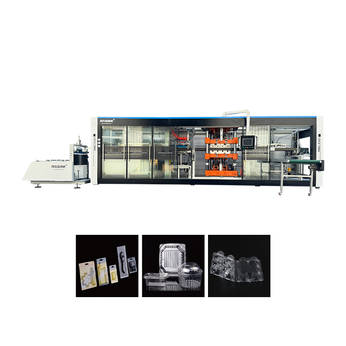
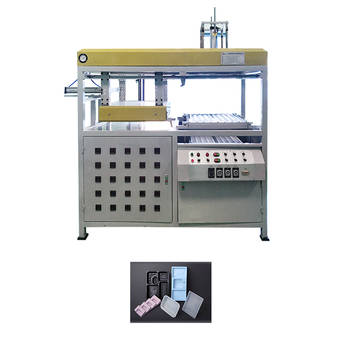
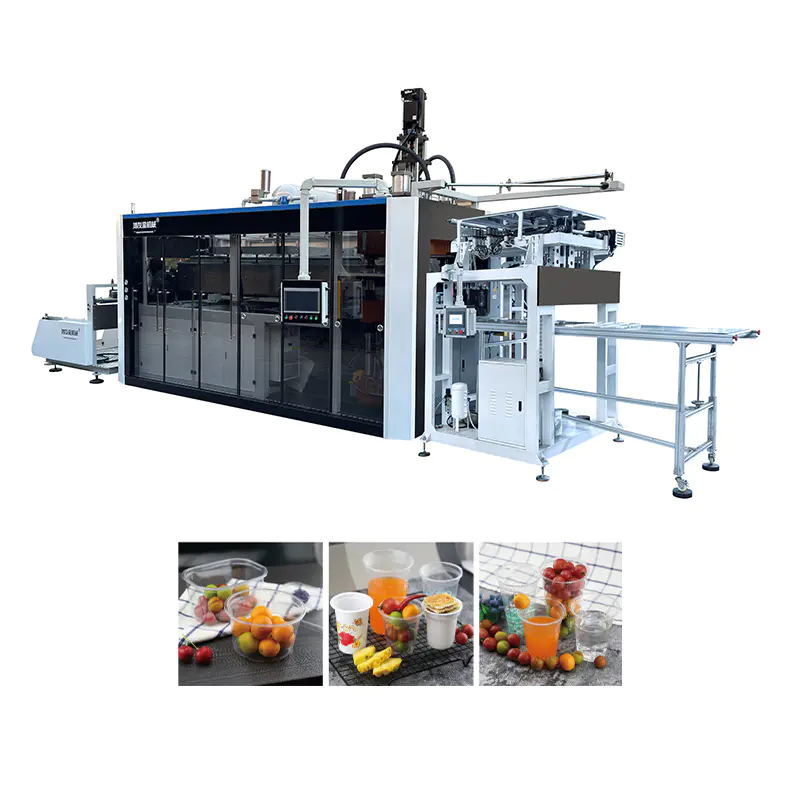
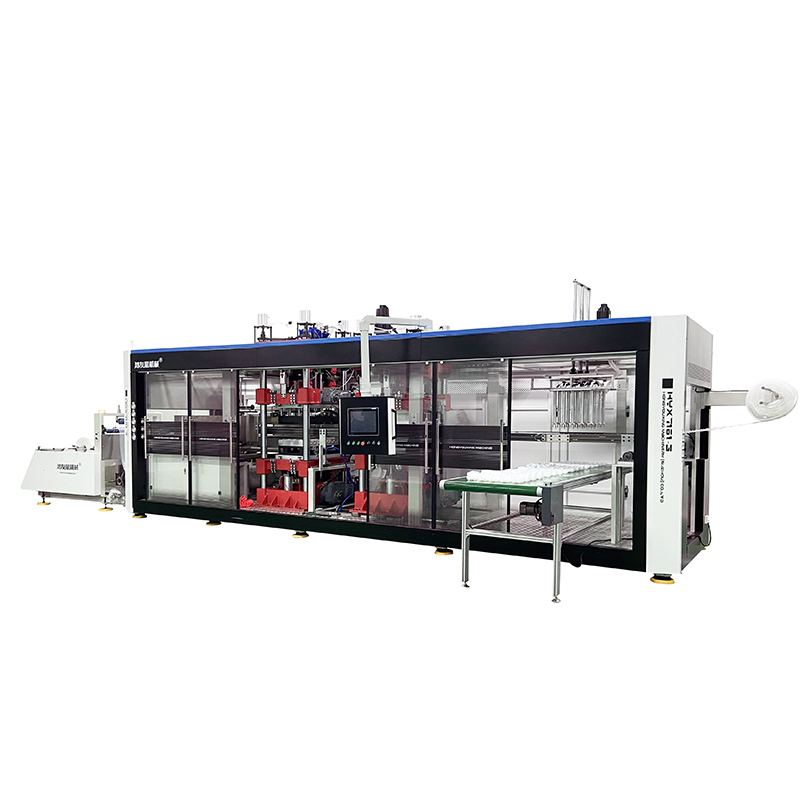 HYX-7161 Fully Automatic 3-Station Thermoforming Machine for Various PlasticsThis three-station machine handles heating, forming, cutting, and stacking with servo stretching and intelligent temperature control, supporting materials like PLA, PS, PET, PP, and ABS. It suits high-speed production of trays, blisters, and lids, with quick mold changes and energy savings.View Product →
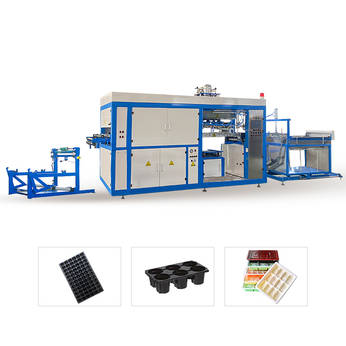
When you move to thick sheet parts, a thick sheet vacuum thermoforming machine provides the slow, even heating needed for heavy-gauge ABS, PP, or HDPE. For thin-wall packaging, our positive and negative pressure machines hold the forming pressure consistently, but the material's tensile strength still dictates the maximum draw ratio.
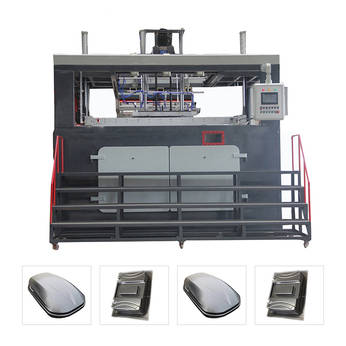
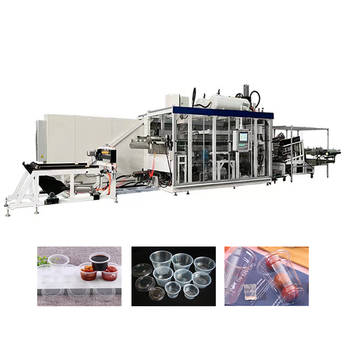
 Thick Sheet Vacuum Thermoforming Machine for Heavy Gauge PartsBuilt for heavy-gauge materials like ABS, PP, and HDPE, this machine uses vacuum forming for large parts such as car floor mats, pallets, and casings. Its robust frame, hydraulic-driven mold platform, and adjustable pressing frame ensure stability for thick sheet applications.View Product →
The mold is the final link. Aluminum molds transfer heat rapidly, which helps ABS set quickly and reduces cycle time. However, a thermoforming aluminum mold must be designed with correct draft angles for the material's stiffness. A stiff ABS part can release from a tighter draft, while a flexible PP part may need a larger draft to avoid sticking.
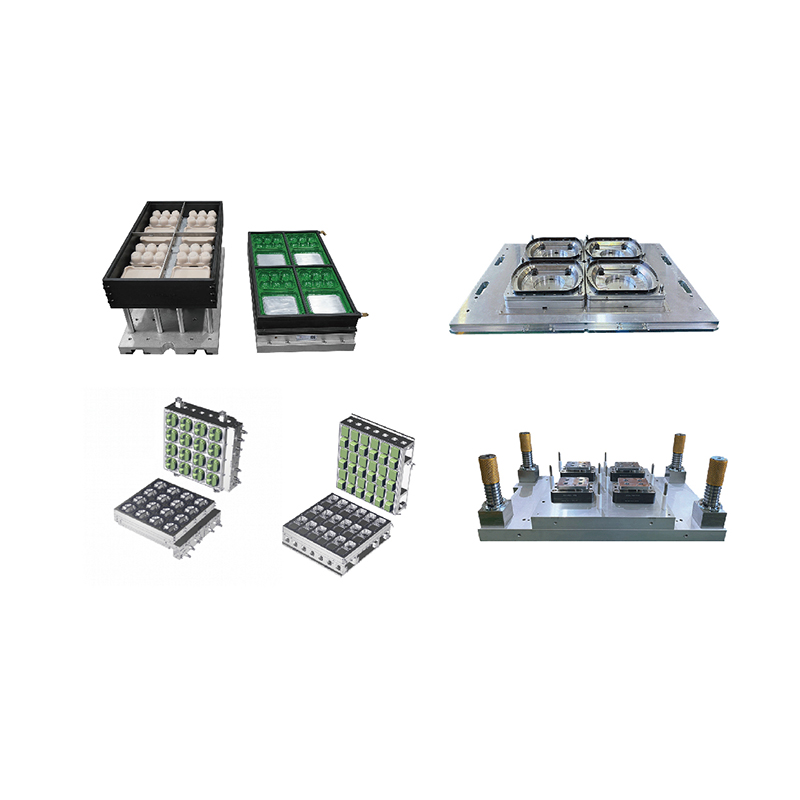 Positive and Negative Pressure Aluminum Mould with Cooling SystemThis aluminum mold integrates positive and negative pressure control with internal cooling channels, enhancing wall thickness consistency and surface detail for rigid and semi-rigid plastics. Suitable for automotive, appliance, and medical parts, it ensures repeatable accuracy across runs.View Product →
Before you approve a material, run through these five questions with your production team:
If you want a deeper technical walkthrough, read our article on how to choose the right plastic material for thermoforming machine. For high-impact applications in electronics and automotive, you can also see how we handle electronic vacuum packaging cases.
Not universally. ABS offers better impact strength, surface quality, and dimensional stability. But commodity resins such as PP and HDPE are cheaper, resist chemicals better, and have cleaner food-contact profiles. The better choice depends on your part's requirements.
Yes, you can. On a well-configured positive and negative pressure thermoformer, you only need to adjust the heating profile and mold design. In practice, you may need a separate set of molds because shrinkage rates differ significantly.
ABS resin typically costs 20–40% more than PP or HDPE. However, the per-part cost may be lower if ABS allows a thinner wall at the same performance level, or if it reduces rejects due to warpage.
ABS sheet should be pre-dried to avoid surface blisters from moisture. Also, use a release agent if the mold has sharp ribs. These are minor process adjustments that a reliable equipment maker will include in the training.

 +8618621972598
  +8613917961988
  [email protected]
 No. 565, Xinchuan Road, Xinta Community, Lili Town, Wujiang District, Suzhou City, China
 Copyright © 2024 Thermoforming Machine/Plastic Cup Machine All Rights Reserved.Custom Automatic Vacuum Thermoforming Plastic Machine Manufacturers