

 English
 عربى
 简体中文

Home / News / Industry News / Choosing Heat Resistant Plastics for Thermoforming: Key Properties and Machine Guide

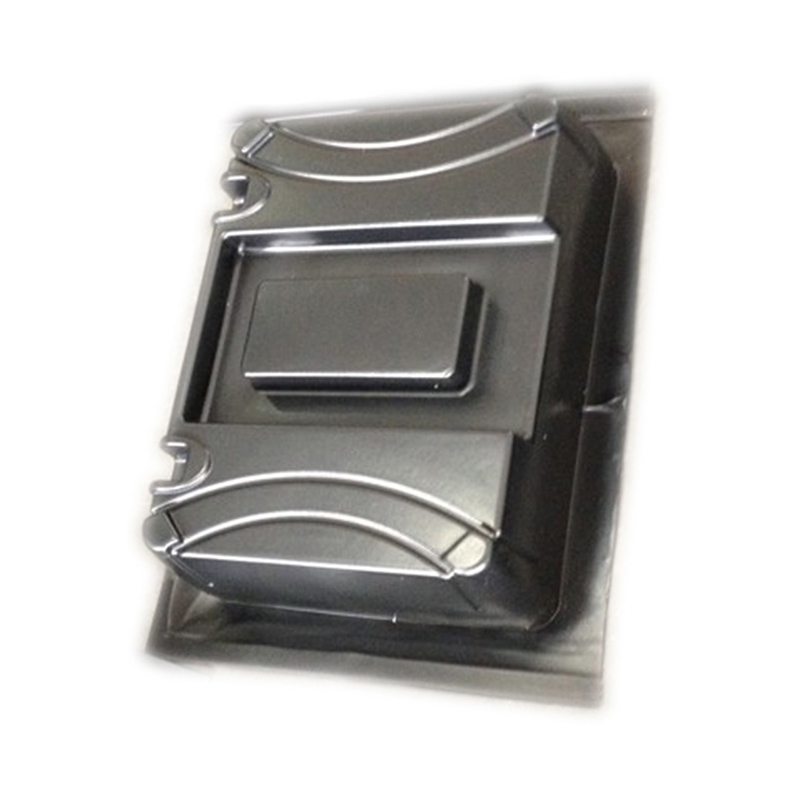
When a thermoforming line receives an order for auto engine bay liners, microwaveable food containers, or electronic housings, the first question is not about tooling or cycle time. It is about which plastic sheet can survive the operating temperature without warping. Most standard packaging plastics deform well below 82°C, while many industrial heat exposure scenarios run at 120°C or higher.
The short answer is that heat resistance is defined by two measurable values: heat deflection temperature (HDT) and continuous use temperature (CUT). Choose a material whose HDT covers the peak temperature you expect and whose CUT covers the normal running temperature. Then verify that the material still has a usable thermoforming window for your equipment. This guide explains how to make that decision with confidence.
Three technical values tell you most of what you need to know before running a heat resistant plastic on a thermoforming machine.
For thermoformers, the processing window is equally important. The sheet must become soft enough to form at the heating station, but it must not degrade or sag uncontrollably. A plastic with high HDT but a narrow processing window can be difficult to run consistently.
Key takeaway: Always ask your material supplier for HDT under 1.82 MPa and CUT, not just a general TDS. These are the numbers that predict whether your part will survive real heat exposure without deformation.
Most thermoforming production lines work with polyolefins, styrenics, and polyesters. Among these, polypropylene (PP), PET (APET/PETG), and polycarbonate (PC) are the workhorses for heat resistant applications. High performance plastics such as PEEK and PEI offer far higher temperature limits, but they are rarely used in conventional thermoforming because of cost and processing constraints.
Continuous use temp: 82°C
Continuous use temp: 115°C
Continuous use temp: 120°C
Continuous use temp: 150°C
| Material | CUT | HDT (1.82 MPa) | Thermoforming Suitability |
|---|---|---|---|
| PP | 82°C | 100°C | Good |
| PET (APET) | 115°C | 75°C | Excellent |
| PC | 120°C | 130°C | Good |
| PA (Nylon) | 150°C | 180°C | Fair |
| PEEK | 240°C | 300°C | Limited |
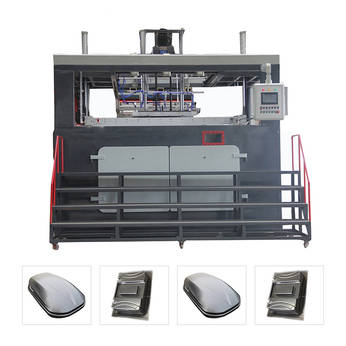
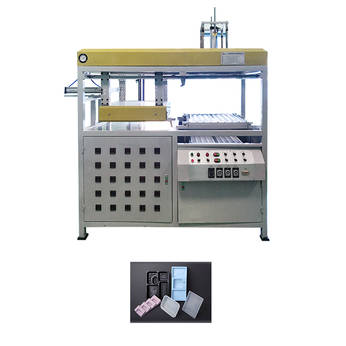
When you need to run thicker sheets of these materials or process specialty heat resistant grades, a thick sheet vacuum thermoforming machine gives you the controlled heating and forming force required for consistent results.
Thick Sheet Vacuum Thermoforming Machine for Heavy-Gauge and Heat-Resistant MaterialsThis machine is designed for forming thick sheets of materials like car floor mats and dashboards. Its robust frame and hydraulic-driven mould platform provide the controlled heating and forming force needed when processing thicker or specialty heat-resistant grades, ensuring consistent results.View Product →Selection is not just about the highest temperature number. Here are the factors that matter most on the plant floor.
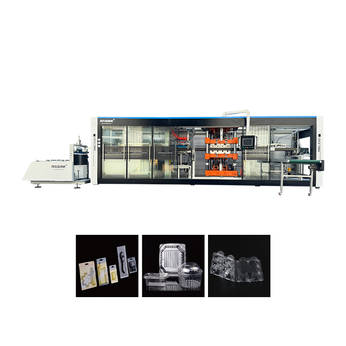
The forming machine must handle the sheet temperature required by the material. Machines with servo-driven positive and negative pressure integration are well suited to heat resistant grades because they can apply consistent forming force while the sheet is soft. Read more about choosing the right plastic material for thermoforming to see how material properties affect your equipment decision.
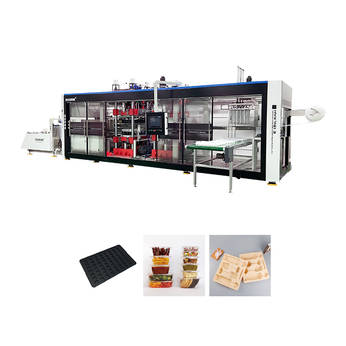
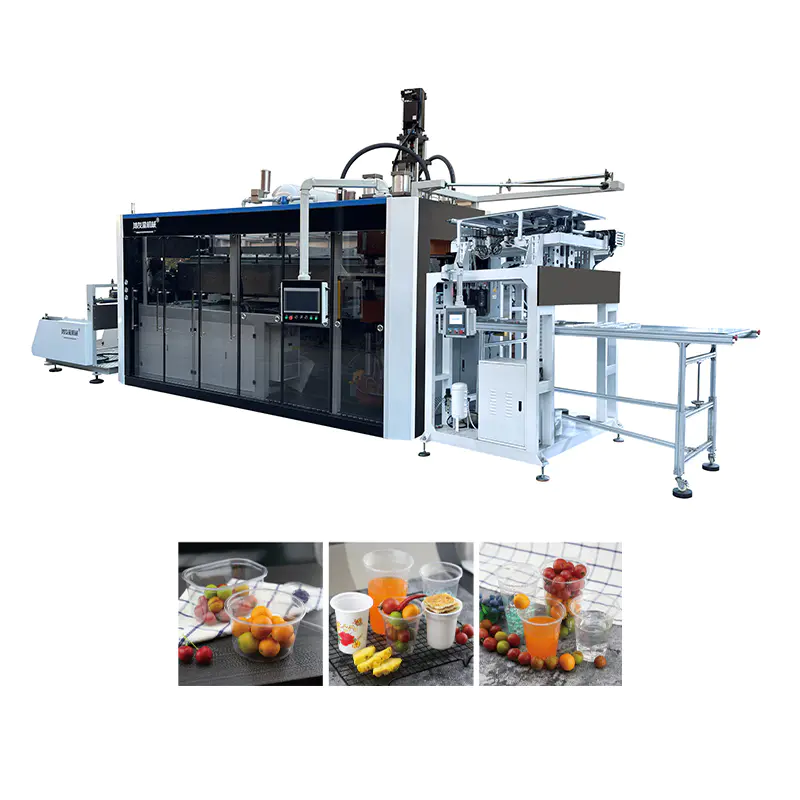
For heat resistant materials that need high definition and tight tolerances, a HYX7161 fully automatic positive and negative pressure 3 stations thermoforming machine delivers the precise control needed to avoid stress marks and uneven wall distribution.
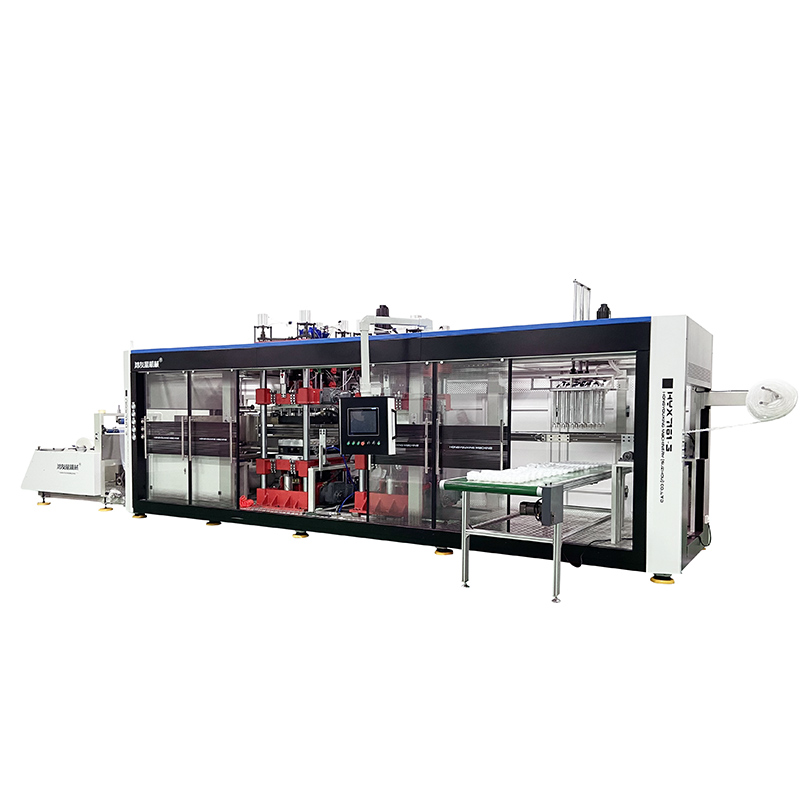 HYX-7161 Three-Station Thermoforming Machine for Precision Heat-Resistant PackagingThis fully automatic positive and negative pressure machine offers three stations for heating, forming, cutting, and stacking. With servo stretching and intelligent temperature control, it enables high-definition forming of heat-resistant materials like PET and PLA, achieving tight tolerances and avoiding stress marks.View Product →
The heating station in a thermoforming line is the first place where heat resistance becomes practical. To form a heat resistant plastic, the sheet must be heated to its softening point, which is often well above the part's final service temperature. This means the material has to tolerate high heat during processing without degrading.
Mold temperature also influences the final heat resistance. A well-designed mold with good thermal conductivity removes heat evenly from the formed part. This reduces residual stress and helps crystalline materials crystallize properly, which improves their resistance to future heat exposure. This is especially important for PP and PET containers.
Aluminum molds are preferred in many cases because they offer high thermal conductivity and even heat distribution. The mold thermal design directly affects cycle time and part quality. When you require custom mold engineering for heat resistant parts, a thermoforming aluminum mold can be tailored to the specific material and product shape.
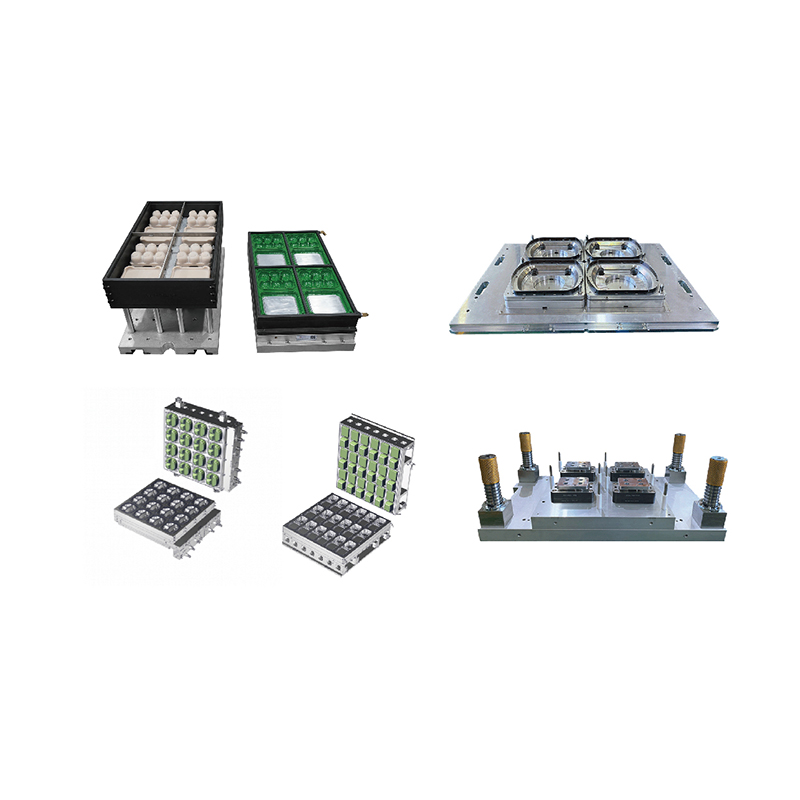 Positive and Negative Pressure Aluminum Mold for Stable ThermoformingThis aluminum mold features internal cooling and gas passages, allowing active pressure control from both sides during forming. It is ideal for producing automotive components and enclosures with consistent wall thickness and defined details, even in high-heat applications.View Product →
Different industries push heat resistance to different levels. In the automotive sector, thermoformed parts like engine covers and interior trim need to survive heat radiating from the powertrain. A typical example is automotive parts vacuum packaging, where barrier packaging and structural trays must maintain dimensional stability in hot environments.
For food packaging, high heat resistance is required for microwaveable trays and hot fill cups. Food-grade PP with tailored nucleating agents can reach higher CUT values than standard PP. This makes PP and CPET the default materials for ready meals and bakery packaging. The thermoforming machine must adapt to the higher forming temperatures that these materials require.
In electronics, flame retardant grades of PC and PA are increasingly used for housings and battery components. These materials often have HDT values above 130°C, which allows them to be used near heat-generating components.
HDT measures the point where a small test bar deforms under a load. Continuous use temperature is the temperature a part can sustain for a long time in normal service. HDT is usually higher than CUT, but both need to be considered for a real application.
Yes, but not all PP grades are equal. Standard homo PP has a CUT around 82°C. For hot filling or microwaving, you need a random copolymer PP or a nucleated grade that can reach 100°C to 120°C. Always validate with a heat deflection test.
PEEK and PEI can be thermoformed in special conditions, but they are expensive and have narrow processing windows. For most thermoforming operations, PA (nylon) and PC are the practical ceiling, with CUT values around 120°C to 150°C.
Yes. The mold affects cooling rate and residual stress. Faster, uniform cooling through an aluminum mold allows crystalline plastics to form a more stable structure, which improves the final heat resistance.

 +8618621972598
 +8613917961988
 [email protected]
 No. 565, Xinchuan Road, Xinta Community, Lili Town, Wujiang District, Suzhou City, China
Copyright © 2024 Thermoforming Machine/Plastic Cup Machine All Rights Reserved.Custom Automatic Vacuum Thermoforming Plastic Machine Manufacturers