

 English
 عربى
عربى 简体中文
简体中文
Home / News / Industry News / What types of molds are compatible with a semi automatic vacuum forming machine?

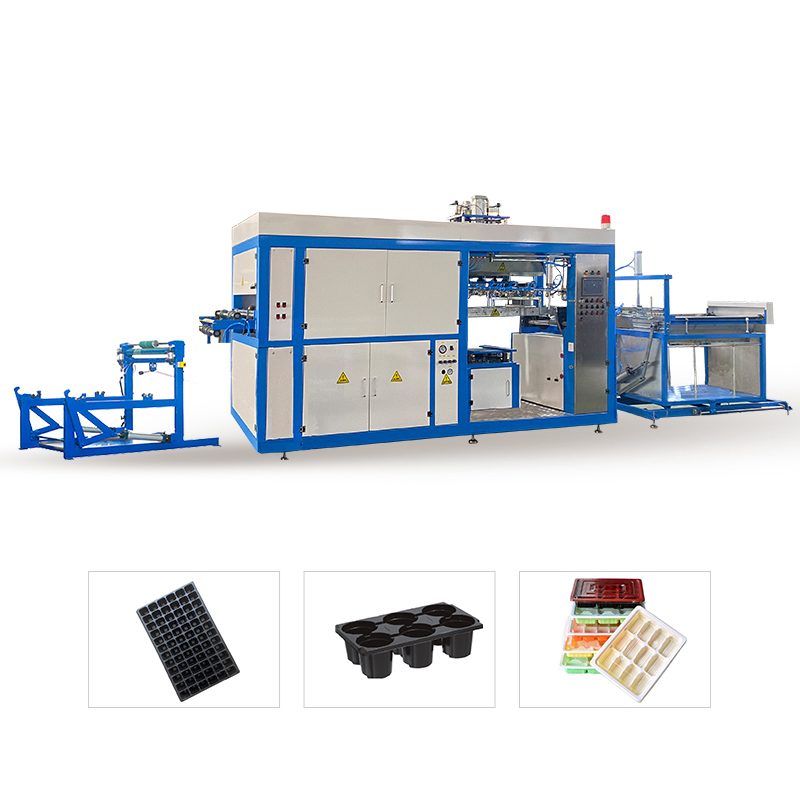
In the field of thermoforming, understanding the compatibility of molds with a semi automatic vacuum forming machine is essential for achieving consistent product quality and operational efficiency. Selecting the right mold type can influence production speed, material utilization, surface finish, and overall workflow.
Mold compatibility is a critical consideration in vacuum forming processes. A semi automatic vacuum forming machine relies on precise heat and pressure control to shape thermoplastic sheets over a mold. The mold’s design, material, and structural properties directly affect forming accuracy, surface details, and the longevity of the machine. In general, molds can be classified into three main types: solid molds, split molds, and plug-assist molds. Each type serves distinct purposes and is suitable for specific applications.
A key factor in mold selection is the thickness and flexibility of the plastic sheet, as well as the desired shape complexity. Certain molds are better suited for shallow or simple shapes, while others are designed for deep-draw applications that require precise control of material distribution. Understanding these distinctions is essential for buyers and operators who wish to maximize the performance of their semi automatic vacuum forming machine.
Solid molds are one of the most widely used mold types for semi automatic vacuum forming machines. They are typically made from materials such as aluminum, wood, or resin, depending on production requirements and budget constraints. Solid molds provide a single-piece structure that supports the plastic sheet during the forming process.
Solid molds are known for their simplicity and durability. They are ideal for high-volume production of items with straightforward geometries, such as trays, panels, and shallow containers. The following are key characteristics:
Solid molds are commonly applied in industries that require consistent, repeatable shapes. Examples include packaging trays, automotive interior panels, and protective covers. Because the mold design is simple, operators using a semi automatic vacuum forming machine can focus on optimizing heating and vacuum settings to reduce cycle time and material waste.
Split molds, also referred to as multi-part molds, consist of two or more interlocking components. This design allows for the creation of complex geometries that cannot be easily formed using a single-piece mold. Split molds are particularly useful for items with undercuts or intricate details.
Split molds offer greater flexibility in design and can accommodate more complicated product shapes. Key features include:
Split molds are preferred in industries such as electronics, automotive components, and medical devices, where complex shapes and precise dimensions are critical. For a semi automatic vacuum forming machine, split molds ensure that even deep-draw or multi-layered parts are formed accurately without tearing or uneven thickness distribution.
Plug-assist molds are specialized molds used to aid material flow in deep-draw thermoforming applications. These molds include a movable plug that physically stretches the plastic sheet into the cavity, helping to achieve uniform wall thickness and prevent thinning in critical areas.
Plug-assist molds are designed to enhance material distribution during vacuum forming. Key features include:
Industries that produce large, deep components such as automotive dashboards, industrial containers, and appliance housings frequently rely on plug-assist molds. Using a semi automatic vacuum forming machine, operators can achieve precise material control and consistent quality even with thick or high-performance plastic sheets.
The choice of mold material plays a significant role in compatibility with a semi automatic vacuum forming machine. Material properties influence heat transfer, surface finish, and the overall lifespan of the mold. Common materials include:
| Mold Material | Advantages | Typical Applications |
|---|---|---|
| Aluminum | Excellent heat conductivity, lightweight, durable | Consumer packaging, automotive panels |
| Wood | Low cost, easy to fabricate | Prototyping, short-run production |
| High-density resin | Smooth finish, wear-resistant | Small intricate parts, detailed textures |
| Steel | Extremely durable, high precision | High-volume production, heavy-duty applications |
Selecting the appropriate mold material ensures consistent heating and forming, minimizes surface defects, and reduces downtime for maintenance or replacement.
Several factors determine whether a mold is compatible with a semi automatic vacuum forming machine. These factors include:
Understanding these factors allows operators and buyers to select molds that not only produce high-quality parts but also optimize the operational efficiency of their semi automatic vacuum forming machine.
Mold design is integral to the successful operation of a semi automatic vacuum forming machine. Several considerations must be accounted for during the design phase:
Incorporating these design elements ensures consistent results and prolongs mold life while maximizing the efficiency of a semi automatic vacuum forming machine.
Regular maintenance of molds is crucial for long-term performance. Poorly maintained molds can lead to inconsistent forming, scratches, or damage to the semi automatic vacuum forming machine. Key maintenance practices include:
Proper mold care not only extends lifespan but also ensures that the semi automatic vacuum forming machine operates reliably and produces high-quality parts consistently.
Mold selection impacts industries across multiple sectors. The following applications illustrate the versatility of molds compatible with semi automatic vacuum forming machines:
Each industry leverages mold compatibility to optimize production efficiency, reduce material waste, and achieve superior product quality using semi automatic vacuum forming machines.
Selecting the right mold for a semi automatic vacuum forming machine is a multifaceted process that requires attention to mold type, material, design, and maintenance. Solid molds, split molds, and plug-assist molds each serve distinct purposes, and understanding their characteristics ensures optimal forming results. Material choice, machine capabilities, and product requirements further influence mold compatibility.
By considering these factors, manufacturers and buyers can maximize the operational efficiency of their semi automatic vacuum forming machine, produce high-quality parts consistently, and adapt to a wide range of industry applications. Proper mold selection, coupled with regular maintenance and thoughtful design, is essential for achieving both productivity and precision in modern vacuum forming operations.

 +8618621972598
  +8613917961988
  [email protected]
 No. 565, Xinchuan Road, Xinta Community, Lili Town, Wujiang District, Suzhou City, China
 Copyright © 2024 Thermoforming Machine/Plastic Cup Machine All Rights Reserved.Custom Automatic Vacuum Thermoforming Plastic Machine Manufacturers