

 English
 عربى
عربى 简体中文
简体中文
Home / News / Industry News / How do I perform routine maintenance on an Automatic Thermoforming Hydraulic Cutting Machine?

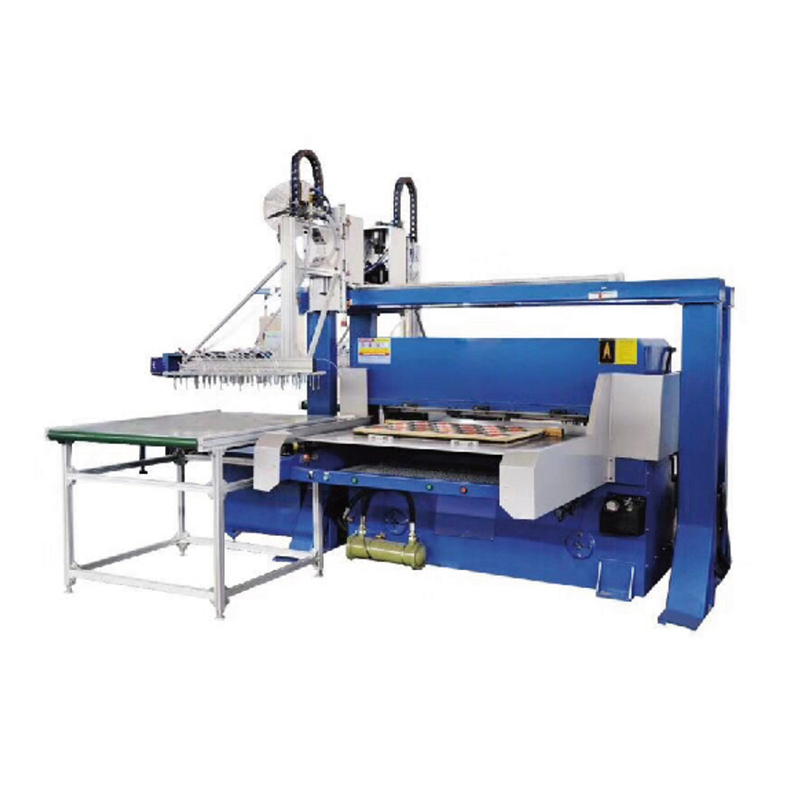
Routine maintenance of an automatic thermoforming hydraulic cutting machine is a critical aspect of ensuring operational efficiency, prolonging the lifespan of the equipment, and maintaining consistent product quality. Proper maintenance procedures help prevent unexpected downtime, reduce repair costs, and improve overall safety in production environments.
Maintaining an automatic thermoforming hydraulic cutting machine is not merely a recommendation; it is a necessity for production facilities that rely on precision cutting of thermoplastic materials. These machines combine hydraulic power with precision forming and cutting, which means that any mechanical or hydraulic issue can affect cutting accuracy, reduce throughput, or even cause equipment failure. Regular maintenance ensures that all moving parts, hydraulic systems, and control mechanisms function smoothly, reducing the risk of operational disruptions.
In addition to improving reliability, routine maintenance supports compliance with workplace safety standards. A well-maintained machine is less likely to encounter hydraulic leaks, mechanical failures, or electrical malfunctions, which are common sources of workplace accidents.
Daily maintenance of an automatic thermoforming hydraulic cutting machine should begin before starting production. Operators should conduct a thorough inspection that focuses on safety, cleanliness, and operational readiness.
Key daily inspection tasks include:
Documenting daily inspections in a maintenance log allows technicians to track recurring issues and anticipate potential failures before they affect production.
Weekly maintenance is designed to address more detailed components of the automatic thermoforming hydraulic cutting machine that cannot be checked during daily inspections. These tasks often require partial machine shutdown and closer examination of internal systems.
Essential weekly maintenance steps include:
Weekly maintenance ensures that minor issues do not escalate into significant mechanical or hydraulic problems, which could lead to extended downtime.
Monthly maintenance provides a more in-depth assessment of the automatic thermoforming hydraulic cutting machine and addresses components that require longer inspection or replacement cycles. This level of maintenance typically involves temporarily halting production and carefully inspecting critical systems.
Monthly maintenance tasks include:
Monthly maintenance serves as a preventive measure that extends the machine’s operational life and maintains the quality of output.
Long-term maintenance of an automatic thermoforming hydraulic cutting machine involves planning for component replacement, system upgrades, and predictive maintenance practices. Over time, key components such as hydraulic pumps, cylinders, cutting molds, and electronic control units will experience wear that requires professional servicing or replacement.
Long-term maintenance strategies include:
By planning long-term maintenance, manufacturers can minimize downtime and maintain consistent production quality throughout the machine’s service life.
Despite regular maintenance, operators may encounter common issues with automatic thermoforming hydraulic cutting machines. Understanding the root causes of these problems allows for faster resolution and minimizes production delays.
Common issues include:
Timely troubleshooting, combined with routine maintenance, ensures that the machine operates at peak performance and minimizes production interruptions.
Maintaining detailed records of all maintenance activities is essential for managing an automatic thermoforming hydraulic cutting machine effectively. Proper documentation helps operators and maintenance teams track recurring issues, plan future maintenance, and comply with safety regulations.
Key documentation practices include:
Well-organized documentation facilitates communication between operators, technicians, and management, improving overall maintenance efficiency.
Safety is a primary concern when performing maintenance on an automatic thermoforming hydraulic cutting machine. Hydraulic systems operate under high pressure, and cutting components can cause serious injuries if handled improperly. Adhering to safety protocols protects both personnel and equipment.
Safety measures include:
Implementing strict safety practices minimizes the risk of injury and ensures a secure maintenance environment.
Performing routine maintenance on an automatic thermoforming hydraulic cutting machine is essential for operational efficiency, production quality, and workplace safety. By following daily, weekly, monthly, and long-term maintenance procedures, manufacturers can prevent unexpected downtime, extend equipment lifespan, and maintain consistent output standards. Emphasizing proper inspections, hydraulic system care, component alignment, and documentation ensures that the machine continues to operate at peak performance. Additionally, adherence to safety protocols during maintenance protects operators and supports a reliable production environment.
Effective maintenance is not a one-time activity but an ongoing process. Incorporating predictive maintenance, detailed record-keeping, and timely troubleshooting into routine procedures ensures that an automatic thermoforming hydraulic cutting machine remains a valuable asset in any production facility. By investing in structured maintenance practices, manufacturers can achieve both operational efficiency and long-term cost savings.

 +8618621972598
  +8613917961988
  [email protected]
 No. 565, Xinchuan Road, Xinta Community, Lili Town, Wujiang District, Suzhou City, China
 Copyright © 2024 Thermoforming Machine/Plastic Cup Machine All Rights Reserved.Custom Automatic Vacuum Thermoforming Plastic Machine Manufacturers