

 English
 عربى
عربى 简体中文
简体中文
Home / News / Industry News / What is the purpose of a rim rolling machine in plastic cup production?

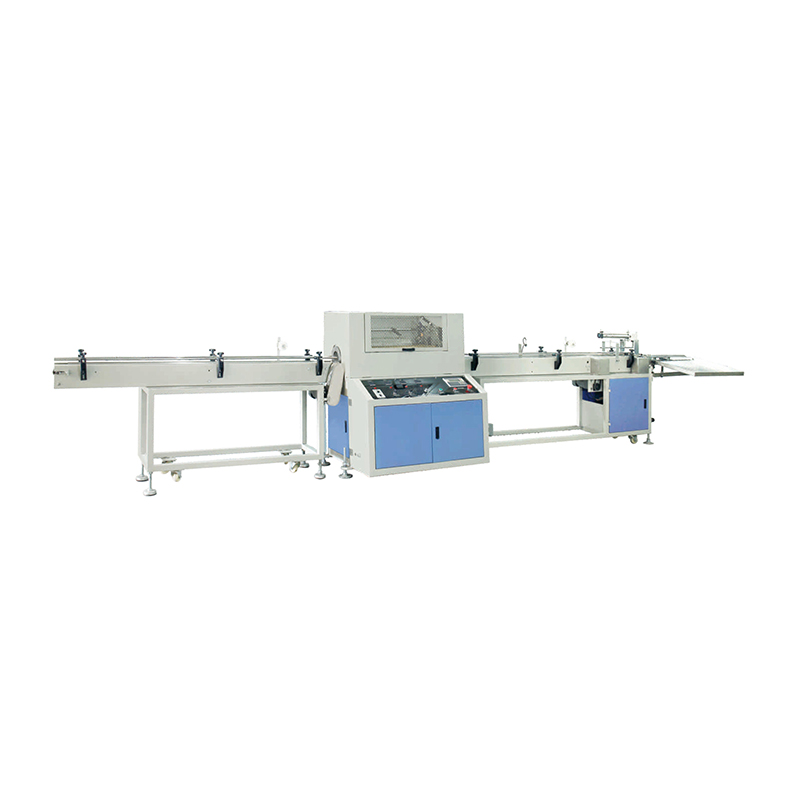
The production of disposable plastic cups involves multiple sophisticated processes, each contributing to the final product's quality, safety, and functionality. Among these processes, rim rolling stands out as a crucial finishing step that transforms raw thermoformed cups into consumer-ready beverage containers. A Plastic Cup Rim Rolling Machine serves as the specialized equipment responsible for curling the sharp edges of plastic cups into smooth, rounded rims that enhance both user safety and product durability.
When plastic cups emerge from thermoforming molds, their top edges remain sharp and potentially hazardous. These edges can cause discomfort during drinking, compromise lid sealing performance, and create safety concerns for end users. The rim rolling process addresses these issues by heating the cup's upper edge to a precise temperature, then mechanically curling the softened material inward or outward to form a smooth, reinforced rim. This transformation not only eliminates sharp edges but also significantly improves the structural integrity of the cup opening, making it more resistant to deformation during use.
Modern manufacturing facilities recognize that rim rolling represents more than a cosmetic enhancement. The process directly impacts product functionality, particularly for beverage applications requiring secure lid attachment. Cups with properly rolled rims provide consistent surfaces for snap-fit lids, reducing leakage risks and improving the overall consumer experience. Additionally, the reinforced rim structure helps maintain cup shape when filled with liquids, preventing the opening from collapsing or warping during handling.
Understanding the operational mechanics of rim rolling equipment enables manufacturers to optimize production parameters and achieve consistent quality outputs. The process relies on controlled thermal softening combined with precise mechanical forming to create uniform rim profiles across high-volume production runs.
The rim rolling process begins with targeted heating of the cup's upper edge. Advanced machines employ sophisticated temperature control systems utilizing resistance heating elements or infrared heating modules to raise the plastic material to its optimal softening point. Temperature control represents a critical parameter, as different plastic materials require specific heating profiles to achieve proper malleability without degradation.
For polypropylene cups, typical heating temperatures range between 140°C and 160°C, while polystyrene materials require slightly lower temperatures around 120°C to 140°C. PET and PLA materials demand more precise temperature management due to their narrower processing windows. Modern rim rolling machines incorporate PID temperature controllers with sensor feedback systems that maintain temperature variations within ±2°C, ensuring consistent material properties throughout the production run.
The heating elements are strategically positioned to focus thermal energy exclusively on the rim area while minimizing heat transfer to the cup body. This selective heating prevents overall cup deformation and maintains the structural integrity of the container walls. Some advanced systems employ segmented heating zones that allow operators to adjust temperature profiles based on cup diameter and material thickness variations.
Once the rim reaches optimal softening temperature, the mechanical curling mechanism activates. This system typically comprises precision-machined curling screws or rollers that contact the softened edge and guide it through a controlled deformation path. The curling tools rotate at synchronized speeds matched to the cup's linear travel rate, ensuring uniform rim formation without twisting or distortion.
The curling mechanism applies calculated pressure to fold the rim material inward or outward depending on the desired profile. Single-roll configurations create simple curled edges suitable for standard drinking cups, while double-roll systems produce more complex rim profiles that accommodate specialized lid designs or enhanced structural reinforcement. The pressure application must remain consistent across all cups to prevent variations in rim diameter and curl tightness.
Guide systems positioned before and after the curling station ensure proper cup orientation and stability during processing. These guides prevent wobbling or misalignment that could result in uneven rim formation. Optical sensors often monitor cup positioning in real-time, triggering automatic adjustments to maintain processing accuracy within specified tolerances.
Selecting appropriate rim rolling equipment requires careful evaluation of technical specifications relative to production requirements. Understanding these parameters helps manufacturers match machine capabilities to their specific operational needs and quality standards.
Modern Plastic Cup Rim Rolling Machines offer impressive production capacities suited to high-volume manufacturing environments. Standard models typically achieve processing speeds between 300 and 800 cups per minute, with advanced high-speed configurations capable of exceeding 1,200 cups per minute for smaller diameter containers. The actual production rate depends on cup size, material characteristics, and rim profile complexity.
Speed regulation systems employ frequency conversion technology that allows operators to adjust processing rates based on upstream thermoforming output or downstream packaging capacity. This flexibility enables seamless integration into existing production lines without creating bottlenecks or idle periods. Variable speed drives also facilitate startup procedures and product changeovers by allowing gradual acceleration to full production speeds.
| Parameter | Standard Range | High-Performance Range |
| Production Speed | 300-600 cups/min | 600-1200 cups/min |
| Cup Diameter Range | 50-120mm | 45-150mm |
| Rim Width | 2.5-3.0mm | 2.0-5.0mm |
| Power Consumption | 10-13kW | 15-21kW |
| Air Pressure Requirement | 0.5-0.6MPa | 0.6-0.8MPa |
Contemporary rim rolling machines demonstrate exceptional versatility in handling diverse plastic materials commonly used in disposable cup production. The equipment accommodates standard thermoforming materials including polypropylene (PP), polystyrene (PS), polyethylene terephthalate (PET), and polylactic acid (PLA) biodegradable alternatives. Each material requires specific temperature profiles and processing parameters, which modern machines store as programmable recipes accessible through touchscreen interfaces.
Material thickness compatibility typically spans 0.3mm to 1.2mm, covering the full range from lightweight drinking cups to heavier-duty food containers. Quick-change tooling systems enable rapid transitions between different cup sizes and materials, minimizing downtime during product changeovers. Some advanced models feature automatic material detection systems that load appropriate processing parameters based on cup characteristics identified by vision systems.
Standard rim rolling machines operate on three-phase industrial power supplies of 380V at 50Hz or 60Hz, depending on regional electrical standards. Total power consumption typically ranges from 10kW to 21kW, with heating elements accounting for the majority of energy usage. Energy-efficient models incorporate insulated heating zones and automatic standby modes that reduce power consumption during production interruptions.
Pneumatic systems require clean, dry compressed air at pressures between 0.5MPa and 0.8MPa to operate cup handling mechanisms, ejection systems, and clamping devices. Air consumption rates average 0.5 cubic meters per minute, though this varies based on machine configuration and production speed. Integrated air filtration and pressure regulation systems ensure consistent pneumatic performance and protect sensitive components from contamination.
Rim rolling machines function as either standalone units or integrated components within comprehensive thermoforming production lines. The configuration choice depends on production volume requirements, facility layout constraints, and operational workflow preferences.
In standalone configurations, rim rolling machines receive cups from intermediate storage systems or manual feeding stations. This arrangement suits facilities with batch processing requirements or those serving multiple thermoforming lines with a single rim rolling unit. Standalone operation provides flexibility for processing cups produced at different times or from different forming machines, enabling centralized finishing operations.
Standalone units typically incorporate integrated cup destacking systems that separate nested cups before rim processing. These systems use mechanical separators or air-assisted destacking mechanisms to ensure single-cup feeding into the rolling station. Counting and stacking modules at the discharge end organize finished cups into predetermined quantities for packaging operations.
Modern high-speed production lines increasingly favor direct integration of rim rolling machines immediately downstream of thermoforming equipment. This configuration eliminates intermediate handling and storage, reducing contamination risks and labor requirements. In-line integration requires careful synchronization of machine speeds and seamless material handling transitions between forming and rim rolling stations.
Integrated systems often employ conveyor connections with automatic speed matching capabilities that maintain consistent cup spacing and orientation throughout the production flow. Buffer zones between machines accommodate temporary speed variations without disrupting overall line operation. Some advanced configurations feature robotic transfer systems that precisely position cups for optimal rim rolling alignment.
Following rim rolling, cups proceed to packaging stations where they are counted, stacked, and prepared for shipment. Modern rim rolling machines frequently incorporate integrated counting systems that use optical fiber sensors to accurately track production quantities. These counting mechanisms achieve accuracy rates exceeding 99.5%, ensuring precise batch formation for packaging operations.
Automated stacking systems organize cups into neat columns or nested configurations suitable for bagging or boxing. The stacking height and configuration are adjustable to accommodate various packaging specifications and customer requirements. Some systems include automatic bagging or boxing modules that complete the entire packaging process without manual intervention.
Maintaining consistent rim quality represents a critical priority for manufacturers serving food and beverage markets. Defective rims compromise product safety, functionality, and brand reputation, necessitating comprehensive quality management strategies throughout the rim rolling process.
Several defect types can occur during rim rolling operations, each requiring specific corrective actions. Incomplete curling results in partially formed rims with exposed sharp edges, typically caused by insufficient heating, inadequate pressure application, or excessive processing speed. Over-curling produces excessively tight rim rolls that may crack or create fitting issues with standard lids.
Uneven rim formation manifests as wavy or irregular edges, often stemming from inconsistent material thickness, improper cup alignment, or worn curling tools. Material burning or discoloration indicates excessive heating temperatures or prolonged exposure to heat sources, degrading plastic properties and creating aesthetic defects. Understanding these defect mechanisms enables operators to implement targeted preventive measures.
Advanced rim rolling machines incorporate automated inspection systems that monitor rim quality in real-time without interrupting production flow. Vision systems equipped with high-resolution cameras capture rim profile images and analyze them against predefined quality standards. These systems detect dimensional variations, surface defects, and curl inconsistencies with accuracy levels surpassing manual inspection capabilities.
Laser micrometers provide non-contact measurement of rim diameter, thickness, and curl height, generating statistical process control data for quality documentation. When measurements exceed tolerance limits, automatic rejection systems divert defective cups to waste containers while alerting operators to process deviations requiring adjustment. This immediate feedback loop minimizes scrap generation and prevents defective products from reaching customers.
Achieving optimal rim quality requires systematic adjustment of key process parameters based on material characteristics and cup specifications. Temperature settings must balance sufficient softening for curl formation against material degradation risks. Operators should establish temperature profiles through systematic trials, documenting optimal settings for each material and cup combination.
Processing speed affects both production efficiency and rim quality, with higher speeds potentially compromising curl consistency. Finding the optimal speed requires evaluating the trade-off between throughput and quality metrics. Pressure settings on curling mechanisms require periodic calibration to maintain consistent force application as tools wear during extended operation.
Proper maintenance ensures long-term equipment reliability, consistent product quality, and optimal production efficiency. Implementing structured maintenance programs prevents unexpected downtime and extends machine service life.
Daily maintenance procedures include cleaning heating elements to remove plastic residue accumulation, inspecting curling tools for wear or damage, and verifying pneumatic system pressure stability. Operators should monitor temperature controller accuracy and check safety guard integrity before each production shift.
Weekly maintenance encompasses lubrication of moving components including bearings, chains, and guide rails using manufacturer-specified lubricants. Belt tension adjustments, electrical connection inspections, and sensor calibration verification ensure continued operational accuracy. Cleaning air filters and checking compressed air quality prevents pneumatic system contamination.
Monthly maintenance involves comprehensive inspection of heating element condition, curling tool wear measurement, and drive system component evaluation. Replacement of worn belts, bearings, or seals before failure prevents unexpected production interruptions. Control system software updates and parameter backup procedures protect against data loss and maintain system security.
When rim rolling machines exhibit performance deviations, systematic troubleshooting procedures identify root causes efficiently. Temperature fluctuations often indicate failing heating elements, faulty temperature sensors, or controller malfunctions requiring replacement or recalibration.
Inconsistent rim formation may result from worn curling tools requiring replacement, misaligned cup guides needing adjustment, or improper speed settings requiring optimization. Material feeding problems typically stem from pneumatic pressure variations, worn feed belts, or improper cup stacking in input hoppers.
Electrical faults require qualified technician intervention following established lockout-tagout safety procedures. Maintaining spare parts inventories for commonly replaced components minimizes repair downtime when failures occur. Comprehensive maintenance records enable trend analysis and predictive maintenance strategies that address potential issues before operational impact.
Material selection significantly impacts rim rolling performance and final product characteristics. Understanding material behavior during thermal processing enables manufacturers to optimize equipment settings and achieve desired product properties.
Polypropylene materials offer excellent chemical resistance and moderate temperature tolerance, making them suitable for both cold and hot beverage applications. During rim rolling, PP requires heating to approximately 150°C to achieve proper softening without material flow or distortion. The material's semi-crystalline structure provides good rigidity in the finished rim while maintaining sufficient flexibility to prevent cracking during curl formation.
Polystyrene materials process at lower temperatures around 130°C, offering excellent clarity and rigidity for cold drink applications. PS rims provide crisp definition and maintain dimensional stability, though the material's brittleness requires careful temperature control to prevent stress cracking during curling. High-impact polystyrene grades offer improved toughness for applications requiring enhanced durability.
PET materials demand precise temperature management due to their sensitivity to thermal degradation. Optimal rim rolling temperatures range between 100°C and 120°C, requiring longer heating durations to achieve adequate softening. PET's amorphous structure provides excellent transparency but requires gentle handling during forming to prevent stress whitening or crazing.
PLA biodegradable materials present unique processing challenges due to their lower thermal stability and moisture sensitivity. Processing temperatures must remain below 120°C to prevent material degradation, and pre-drying may be necessary to achieve consistent results. Despite these challenges, PLA rim rolling produces environmentally friendly cups meeting growing sustainability demands.
Modern rim rolling machines contribute to sustainable manufacturing through energy-efficient designs and compatibility with eco-friendly materials. Energy recovery systems capture waste heat from processing operations, reducing overall facility energy consumption. Variable frequency drives minimize electrical demand during partial-load operation or standby periods.
Compatibility with recycled content materials enables manufacturers to incorporate post-consumer or post-industrial recycled plastics into cup production without compromising rim rolling performance. Equipment manufacturers increasingly design machines to process bio-based and compostable materials, supporting industry transitions toward circular economy models.
Plastic cup rim rolling machines serve diverse market segments, each presenting unique requirements and quality standards. Understanding these application-specific needs guides equipment selection and operational optimization.
Quick-service restaurants and coffee shops require cups with precisely rolled rims that accommodate standard lid sizes while preventing leakage during transport. Rim profiles must provide comfortable drinking edges while maintaining structural integrity when filled with hot beverages. High-volume operations demand rim rolling machines capable of sustained production at speeds exceeding 800 cups per minute.
Vending machine applications impose additional requirements for rim consistency and dimensional precision. Cups must stack reliably within vending mechanisms and dispense without jamming or tipping. Rim rolling machines serving this market often incorporate enhanced counting and stacking systems that ensure uniform package configurations suitable for automated dispensing equipment.
Retail packaged cups for home use require aesthetically pleasing rim finishes that convey quality and value. Rim rolling processes must produce smooth, uniform edges without visual defects that could impact consumer perception. Packaging configurations often require specific stacking heights and counts that rim rolling equipment must accommodate through adjustable discharge systems.
Party and event supply markets demand cups in diverse sizes, colors, and configurations. Rim rolling machines serving these markets require rapid changeover capabilities and broad material compatibility to process the full range of product variations efficiently.
Medical and laboratory applications require cups meeting stringent cleanliness and consistency standards. Rim rolling machines for these markets often incorporate enhanced contamination control features and documentation capabilities for quality traceability. Food processing applications may require cups with specialized rim profiles that accommodate sealing equipment or provide enhanced stacking stability.
Organizations evaluating rim rolling machine investments should consider multiple factors beyond initial purchase price to ensure optimal long-term value and operational fit.
Buyers must accurately assess current and projected production volumes to select equipment with appropriate capacity ratings. Over-specifying capacity increases capital expenditure without operational benefit, while under-specifying creates production bottlenecks limiting business growth. Consideration should include peak demand periods, seasonal variations, and planned product line expansions that may impact capacity requirements.
Integration compatibility with existing thermoforming equipment represents another critical factor. Rim rolling machines must match upstream production speeds and downstream packaging capabilities to maintain balanced line operations. Buyers should verify conveyor heights, transfer mechanisms, and control system interfaces ensure seamless integration without costly modifications.
Comprehensive cost evaluation extends beyond purchase price to include energy consumption, maintenance requirements, spare parts availability, and operational labor needs. Energy-efficient models may command higher initial investment but generate significant savings through reduced power consumption over extended operation periods.
Maintenance accessibility and component standardization impact long-term operating costs. Machines utilizing commonly available components reduce spare parts inventory requirements and enable faster repairs when component replacement becomes necessary. Service support availability from equipment suppliers ensures prompt technical assistance when operational issues arise.
Buyers serving regulated markets should verify equipment compliance with applicable safety standards and food contact material processing requirements. CE marking indicates compliance with European safety directives, while FDA recognition may be required for equipment processing cups intended for U.S. food service applications.
Requesting production trials with actual product materials and specifications enables buyers to verify machine performance before purchase commitment. Demonstration runs should evaluate rim quality consistency, production speed stability, and ease of operation under realistic manufacturing conditions.
Rim rolling machine technology continues evolving to meet changing market demands and manufacturing efficiency expectations. Understanding emerging trends helps manufacturers position their operations for future competitiveness.
Industry 4.0 concepts increasingly influence rim rolling machine design, with manufacturers incorporating IoT connectivity, remote monitoring capabilities, and predictive maintenance algorithms. Smart sensors continuously monitor equipment condition, automatically alerting maintenance personnel when component replacement becomes necessary before failure occurs.
Cloud-based production monitoring systems enable real-time visibility into equipment performance across multiple facilities, facilitating centralized optimization and troubleshooting support. Integration with manufacturing execution systems streamlines production scheduling and quality documentation, reducing administrative overhead while improving traceability.
Next-generation rim rolling machines emphasize reduced environmental impact through improved energy efficiency and material waste minimization. Advanced heating systems utilizing infrared or induction technologies reduce energy consumption compared to traditional resistance heating while providing more precise temperature control.
Material waste reduction through improved process control minimizes rejected cups and startup scrap. Quick-change tooling systems reduce changeover times and material waste during product transitions. Compatibility with recycled and bio-based materials expands as these sustainable alternatives become increasingly prevalent in packaging applications.
A rim rolling machine curls the sharp top edges of thermoformed plastic cups into smooth, rounded rims. This process eliminates sharp edges that could cause discomfort or injury during drinking, reinforces the cup opening for improved structural strength, and creates consistent surfaces for secure lid attachment. The rim rolling process is essential for producing consumer-safe disposable cups suitable for beverage service applications.
Modern rim rolling machines accommodate diverse thermoplastic materials including polypropylene (PP), polystyrene (PS), polyethylene terephthalate (PET), and polylactic acid (PLA). Each material requires specific temperature settings and processing parameters, which advanced machines store as programmable recipes. Equipment compatibility extends to both virgin and recycled content materials, as well as biodegradable alternatives for sustainable packaging applications.
Standard rim rolling machines typically achieve production speeds between 300 and 800 cups per minute, depending on cup diameter and material characteristics. High-speed configurations designed for large-volume manufacturing can exceed 1,200 cups per minute for smaller diameter containers. Variable speed drives enable operators to adjust processing rates to match upstream thermoforming output or downstream packaging capacity.
Rim rolling enhances cup functionality in multiple ways. The curled rim provides a smooth, comfortable drinking surface that prevents lip irritation. The reinforced rim structure increases opening rigidity, preventing collapse when filled with liquids. Rolled rims create consistent sealing surfaces for snap-fit lids, reducing leakage risks during transport. Additionally, the rim adds structural integrity that improves stacking stability and handling durability.
Quality control for rim rolling operations includes inline vision systems that inspect rim profiles for dimensional accuracy and surface defects. Laser micrometers measure rim diameter and thickness variations in real-time. Temperature monitoring systems ensure consistent heating profiles, while automated rejection systems divert defective cups from production flow. Statistical process control tracks quality metrics over time, enabling predictive adjustments before defects occur.
Preventive maintenance for rim rolling machines includes daily cleaning of heating elements, inspection of curling tools for wear, and verification of pneumatic system integrity. Weekly maintenance involves lubrication of moving components, belt tension checks, and sensor calibration. Monthly procedures encompass heating element condition assessment, tool replacement when wear limits are reached, and comprehensive electrical system inspection. Following structured maintenance schedules prevents unexpected downtime and maintains product quality consistency.
Yes, rim rolling machines function effectively as either standalone units or integrated components within thermoforming production lines. In-line integration positions the rim rolling machine immediately downstream of thermoforming equipment, eliminating intermediate handling. Conveyor connections with automatic speed matching ensure seamless material flow between machines. Buffer zones accommodate temporary speed variations while maintaining continuous production. Integration flexibility allows manufacturers to optimize layouts based on facility constraints and workflow preferences.
Buyers should evaluate production capacity requirements, material compatibility, integration capabilities with existing equipment, and total cost of ownership including energy consumption and maintenance needs. Quality verification through production trials ensures machine performance meets specifications. Compliance with safety standards and food processing regulations may be required for regulated markets. After-sales support availability and spare parts accessibility impact long-term operational reliability and should factor into purchase decisions.

 +8618621972598
  +8613917961988
  [email protected]
 No. 565, Xinchuan Road, Xinta Community, Lili Town, Wujiang District, Suzhou City, China
 Copyright © 2024 Thermoforming Machine/Plastic Cup Machine All Rights Reserved.Custom Automatic Vacuum Thermoforming Plastic Machine Manufacturers