

 English
 عربى
عربى 简体中文
简体中文
Home / News / Industry News / The technical properties and performance characteristics of different thermoformable plastics?

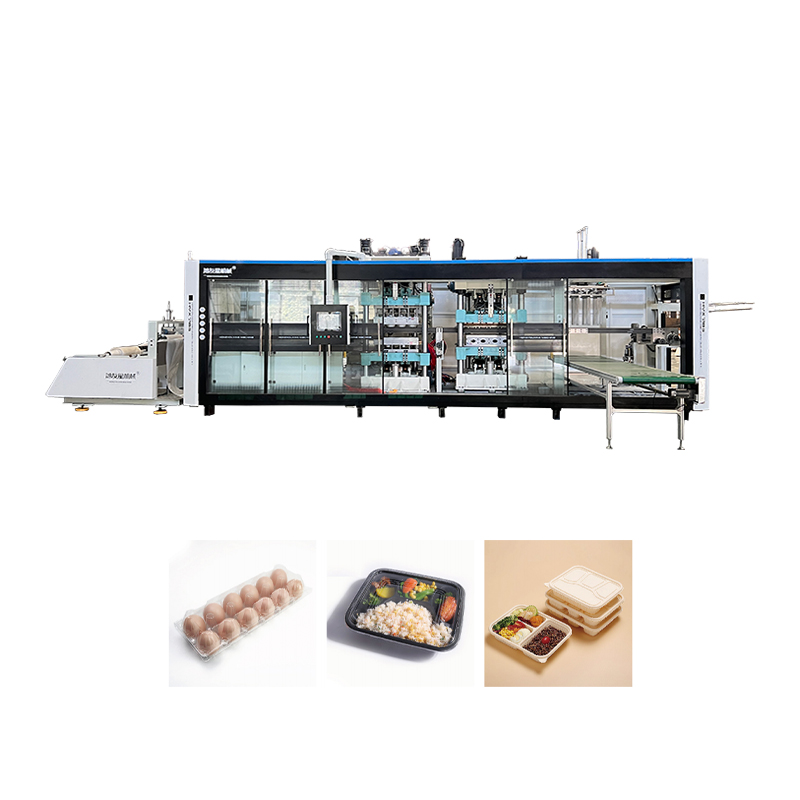
Thermoforming represents one of the most versatile and economically efficient manufacturing processes in the modern plastics industry. The process involves heating plastic sheets or films to a temperature where they become pliable, then forming them into specific shapes using vacuum, pressure, or mechanical molds. What makes thermoforming particularly valuable is its ability to produce complex, customized parts with minimal waste compared to alternative manufacturing methods. From food packaging and medical devices to automotive components and consumer products, thermoformable plastics serve countless applications across virtually every industrial sector.
The selection of appropriate thermoformable materials is fundamental to achieving desired product performance, cost efficiency, and manufacturability. Unlike injection molding, which is limited to thermoplastic materials that can withstand mold pressures, thermoforming accommodates a broader spectrum of plastics with varying thermal, mechanical, and chemical properties. Understanding the technical characteristics of different thermoformable plastics enables manufacturers and engineers to make informed decisions that optimize production outcomes, reduce material costs, and meet specific application requirements.
This comprehensive guide explores the technical properties and performance characteristics of the most widely used thermoformable plastics. By examining material composition, thermal behavior, mechanical strength, chemical resistance, and practical applications, stakeholders in the thermoforming industry gain the knowledge necessary to select optimal materials for their specific manufacturing needs. Additionally, understanding how different plastics respond to processing variables—such as heating temperature, cooling time, and applied pressure—directly influences the quality, consistency, and commercial viability of finished products.
Before examining specific materials, it is essential to understand how thermoforming as a process influences material selection and performance requirements. Thermoforming involves several critical stages: material heating, forming, cooling, and trimming. Each stage places unique demands on the plastic material being processed. During the heating phase, materials must reach their glass transition temperature or softening point without degrading or losing structural integrity. The material must then be formable enough to achieve complex geometries without tearing, cracking, or excessive thinning in critical areas.
The cooling phase is equally critical, as materials must solidify rapidly enough to maintain dimensional accuracy while avoiding internal stresses that could compromise long-term performance. Modern thermoforming equipment incorporates advanced controls that manage these variables precisely, but the inherent properties of the selected plastic material remain the primary determinant of success. Materials with poor thermal stability may degrade during heating, while materials with insufficient ductility may crack during forming. Conversely, materials that cool too slowly may require extended cycle times, reducing production efficiency and increasing manufacturing costs.
Several technical properties determine whether a plastic is suitable for thermoforming applications and how well it will perform in service:
Polyethylene terephthalate stands as one of the most extensively used thermoformable plastics globally, with applications spanning food and beverage packaging, blister packs, and medical device housings. PET exhibits excellent transparency, comparable to glass, making it ideal for applications where product visibility is essential. The material possesses outstanding gas barrier properties, effectively protecting contents from oxygen and moisture infiltration, which is critical for food preservation and extended shelf life.
From a technical perspective, PET demonstrates strong mechanical properties with tensile strength typically ranging from 50 to 70 megapascals (MPa) and elongation at break of approximately 20 to 30 percent. These characteristics enable PET to withstand mechanical stresses during handling and transportation while maintaining structural integrity. The material's glass transition temperature is approximately 69 degrees Celsius, with a melting point around 260 degrees Celsius. This relatively wide processing window allows manufacturers to achieve consistent results across varying equipment specifications and processing conditions.
PET exhibits superior chemical resistance to most non-polar solvents and oils, making it suitable for packaging applications involving fatty or oily foods. However, the material shows limited resistance to strong bases and certain polar solvents. In thermoforming applications, PET can be processed at temperatures between 90 and 110 degrees Celsius, with optimal forming achieved around 105 degrees Celsius. The material cools relatively quickly, allowing for efficient production cycles typically ranging from 30 to 90 seconds, depending on wall thickness and part complexity.
High-density polyethylene represents a fundamental plastic material widely utilized in thermoforming for rigid and semi-rigid applications. HDPE is characterized by its linear molecular structure with minimal branching, which contributes to its crystalline nature and high density. This structure imparts excellent rigidity, making HDPE suitable for applications demanding dimensional stability and resistance to deformation under load.
The technical properties of HDPE include tensile strength ranging from 26 to 33 MPa, with elongation at break of 20 to 30 percent. HDPE exhibits a glass transition temperature around 120 degrees Celsius and a melting point approximately 130 degrees Celsius. This relatively low melting point necessitates careful temperature control during thermoforming to prevent thermal degradation while achieving sufficient pliability for forming. Optimal processing temperatures for HDPE thermoforming typically range from 100 to 130 degrees Celsius.
HDPE demonstrates exceptional chemical resistance, remaining stable when exposed to acids, bases, and most solvents. This characteristic makes HDPE particularly valuable for applications involving chemical storage, laboratory equipment, and industrial containers. The material exhibits excellent moisture barrier properties and remains stable across a broad temperature range during storage and use. Production cycle times for HDPE thermoforming typically range from 40 to 120 seconds, and the material's opacity makes it suitable for applications where light exclusion is beneficial, such as UV-sensitive product protection.
Polypropylene has emerged as a dominant material in thermoforming applications, particularly in food packaging, automotive components, and consumer products. PP is a semi-crystalline plastic characterized by excellent stiffness, outstanding chemical resistance, and remarkable thermal stability. The material can withstand higher service temperatures compared to polyethylene, making it suitable for applications involving hot-filled products or elevated operating conditions.
Technical properties of polypropylene include tensile strength of 30 to 40 MPa and elongation at break of 100 to 600 percent, depending on the specific grade and processing conditions. This exceptional elongation capability makes PP highly formable, allowing manufacturers to create complex geometries with minimal material waste. The glass transition temperature of PP is approximately 0 degrees Celsius, with a melting point around 160 degrees Celsius. These characteristics enable thermoforming at temperatures between 120 and 160 degrees Celsius, providing a comfortable processing window for consistent results.
Polypropylene exhibits superior chemical resistance compared to polyethylene, remaining stable when exposed to most acids, bases, oils, and alcohols. This versatility makes PP suitable for diverse applications ranging from food-contact surfaces to industrial chemical containers. The material's inherent stiffness-to-weight ratio provides excellent dimensional stability, while its relatively low density enables cost-effective production. PP thermoforming cycles typically require 45 to 150 seconds, depending on wall thickness and cooling efficiency. The material's high melting point ensures long-term durability in service, particularly for applications exposed to elevated temperatures.
Polystyrene and its impact-modified variant, high-impact polystyrene, represent economically efficient thermoformable plastics particularly suited for rigid applications and disposable food packaging. PS is an amorphous plastic demonstrating excellent transparency and optical clarity, making it valuable for applications where visibility of the contained product is important. Standard polystyrene, however, exhibits brittleness and limited impact resistance.
High-impact polystyrene addresses this limitation through the incorporation of elastomeric particles that enhance impact resistance and toughness. HIPS exhibits tensile strength of 30 to 40 MPa and elongation at break of 15 to 50 percent, depending on the impact modifier content. The glass transition temperature of HIPS is approximately 100 degrees Celsius, with no distinct melting point due to its amorphous nature. Thermoforming occurs effectively at temperatures between 70 and 100 degrees Celsius, making these materials highly efficient from an energy perspective.
Both PS and HIPS demonstrate moderate chemical resistance to non-polar solvents but show vulnerability to aromatic hydrocarbons and certain alcohols. These materials provide limited barrier protection against oxygen and moisture, making them less suitable for long-term food storage or oxygen-sensitive applications. However, their cost-effectiveness, rapid cooling characteristics enabling cycle times as short as 20 to 60 seconds, and straightforward processing make them ideal for short-shelf-life applications such as deli containers, bakery packaging, and protective blister packs.
Polyvinyl chloride represents a versatile thermoformable plastic with particular strengths in rigid applications and specialized industrial uses. PVC is an amorphous, noncrystalline polymer with a glass transition temperature of approximately 85 degrees Celsius. Unlike semi-crystalline plastics, PVC does not exhibit a distinct melting point, instead softening gradually across a temperature range, which requires precise thermal control during thermoforming.
Technical properties of PVC include tensile strength of 35 to 60 MPa and elongation at break of 40 to 80 percent. The material exhibits excellent rigidity and dimensional stability, making it suitable for applications demanding structural precision. PVC possesses outstanding chemical resistance to acids, bases, oils, and alcohols, rivaling or exceeding that of polypropylene in many applications. This exceptional chemical compatibility makes PVC invaluable for pharmaceutical packaging, chemical storage containers, and laboratory equipment.
Thermoforming PVC requires careful attention to processing temperature and heating duration. Optimal forming temperatures typically range from 75 to 95 degrees Celsius, and the material demands slower heating rates compared to other plastics to prevent thermal decomposition. PVC demonstrates excellent barrier properties against oxygen and moisture, providing superior product protection comparable to PET. Production cycles typically range from 60 to 150 seconds, reflecting the material's specific thermal requirements. The material's flame-retardant characteristics, inherent due to its chlorine content, make PVC particularly valuable for applications with specific safety requirements.
Acrylonitrile butadiene styrene is an engineered polymer offering exceptional impact strength, surface finish quality, and aesthetic versatility. ABS is an amorphous terpolymer combining acrylonitrile for chemical resistance, butadiene for impact strength, and styrene for rigidity and surface appearance. This balanced composition creates a material particularly valued for consumer-facing applications and components demanding superior impact performance.
ABS exhibits tensile strength of 35 to 55 MPa with elongation at break ranging from 10 to 40 percent, depending on composition and processing. The glass transition temperature is approximately 105 degrees Celsius, requiring thermoforming at temperatures between 100 and 130 degrees Celsius. ABS demonstrates good chemical resistance to oils, alcohols, and weak acids, though it exhibits limited resistance to aromatic hydrocarbons and strong solvents. The material's excellent surface finish quality and ability to accept post-thermoforming decoration, including printing and coating, make it attractive for applications requiring aesthetic appeal or functional surface treatments.
ABS thermoforming processes typically require cycle times of 60 to 150 seconds. The material's superior impact resistance provides excellent drop-test performance and resilience to mechanical shock, making ABS particularly suitable for applications involving handheld devices, protective enclosures, and consumer electronics housings. While ABS generally exhibits higher material costs compared to commodity plastics, its performance characteristics and aesthetic possibilities justify the investment for premium applications.
Polymethyl methacrylate, commonly recognized as acrylic, represents a premium thermoformable plastic prized for exceptional optical clarity and aesthetic applications. PMMA is an amorphous plastic demonstrating transparency comparable to or exceeding that of glass, with the additional advantage of being shatterproof. This unique combination makes PMMA invaluable for applications requiring both visual clarity and impact resistance.
Technical properties of PMMA include tensile strength of 55 to 75 MPa and elongation at break of 3 to 5 percent, reflecting the material's inherent brittleness. The glass transition temperature is approximately 105 degrees Celsius, with optimal thermoforming occurring between 105 and 135 degrees Celsius. PMMA exhibits excellent resistance to weathering, ultraviolet exposure, and environmental stress, making it exceptionally durable for outdoor applications. The material remains transparent across decades of sunlight exposure, unlike many alternative plastics that yellow or degrade when exposed to ultraviolet radiation.
PMMA demonstrates moderate chemical resistance, remaining stable when exposed to dilute acids and alcohols but showing vulnerability to aromatic hydrocarbons. The material's relatively high processing costs and limited formability due to its low elongation at break restrict applications to those where optical clarity or UV durability justifies the investment. PMMA thermoforming cycles typically require 60 to 120 seconds. Applications include aircraft windows, protective barriers, light diffusers, and decorative components where transparency and durability are paramount considerations.
Successful thermoforming requires precise understanding of how different plastic materials respond to thermal processing. Each material exhibits unique heating, forming, and cooling behavior that directly influences product quality, cycle time, and production efficiency. The relationship between processing temperature and material behavior represents one of the most critical factors in thermoforming success.
Different thermoformable plastics require substantially different heating temperatures to achieve optimal formability. Materials are heated to a temperature where they transition from rigid to compliant, allowing them to be shaped without excessive force. However, overheating any material risks thermal degradation, which manifests as discoloration, reduced mechanical properties, or release of volatile compounds that compromise product quality.
Semi-crystalline plastics such as polypropylene and polyethylene require heating to temperatures sufficient to soften the crystalline structure while maintaining the polymer backbone integrity. These materials typically withstand higher processing temperatures than amorphous plastics due to their inherent thermal stability. Amorphous plastics such as polystyrene and polymethyl methacrylate lack crystalline structure and transition more gradually from rigid to compliant states as temperature increases. This characteristic requires more precise temperature control, as a narrow processing window often separates inadequate formability from thermal degradation.
Thermal stability varies significantly among different plastic types, influencing maximum processing temperatures and acceptable dwell times at elevated temperatures. Polypropylene and polyethylene demonstrate excellent thermal stability, tolerating extended exposure to processing temperatures without degradation. Conversely, PVC requires careful heating management, as excessive temperatures or prolonged heating can trigger hydrochloric acid release and material deterioration. Understanding these material-specific requirements enables operators to optimize heating profiles that maximize product quality while minimizing energy consumption.
Cooling represents the final critical stage in thermoforming, directly influencing dimensional accuracy, residual stress levels, and long-term dimensional stability. Materials must cool rapidly enough to achieve acceptable cycle times while cooling slowly enough to minimize internal stresses that could cause warping, cracking, or stress-whitening in finished products. The relationship between material properties and cooling behavior varies substantially across different plastics.
Semi-crystalline materials such as polypropylene and polyethylene undergo crystallization during cooling, with the rate of crystallization directly influencing final product properties. Rapid cooling may trap amorphous regions that would otherwise crystallize, affecting dimensional stability and mechanical properties. Controlled cooling rates allow these materials to achieve desired crystallinity levels, producing products with optimal stiffness and dimensional accuracy. Amorphous materials such as polystyrene and polymethyl methacrylate cool relatively uniformly without crystallization phases, allowing faster cooling without sacrificing dimensional accuracy.
Material thickness significantly influences cooling time requirements. Thin sections cool rapidly, enabling short cycle times but risking inadequate stress relief. Thick sections cool more slowly, requiring extended dwell times but allowing more complete stress relaxation. Optimal cooling strategies often employ staged cooling, where intense cooling immediately after forming is followed by gradual cooling that allows stress relaxation without warping.
The mechanical properties of thermoformed products directly determine their suitability for specific applications. Different plastics exhibit vastly different strength, stiffness, impact resistance, and flexibility characteristics that must align with application requirements. Understanding these properties enables informed material selection that balances performance demands with cost considerations and processing feasibility.
Tensile strength represents the maximum stress a material can withstand during pulling or stretching before breaking. This property directly influences the ability of thermoformed products to resist mechanical stresses during handling, transportation, and use. Materials with higher tensile strength can tolerate greater mechanical forces without permanent deformation or failure. Polypropylene, PVC, and ABS demonstrate relatively high tensile strength, making them suitable for structural applications and load-bearing components. Polyethylene and polystyrene exhibit lower tensile strength, limiting their suitability to applications with moderate mechanical demands.
Rigidity, often measured as elastic modulus, influences how much a product deflects under applied load. Materials with higher modulus values, such as polypropylene and high-density polyethylene, demonstrate excellent stiffness and resist deflection under load. This characteristic proves essential for applications requiring dimensional stability and shape preservation. Conversely, materials with lower modulus values demonstrate greater flexibility, which may be desirable for certain applications but unsuitable for those demanding structural rigidity.
Impact resistance measures a material's ability to absorb mechanical shock without cracking or fracturing. This property is critical for applications involving drops, impacts, or vibration exposure. ABS and high-impact polystyrene demonstrate exceptional impact resistance due to elastomeric components that absorb shock energy. Polypropylene exhibits good impact resistance, particularly at room temperature and above. Polymethyl methacrylate, despite its durability and optical clarity, exhibits limited impact resistance and can fracture under significant mechanical shock. Polystyrene demonstrates poor impact resistance without impact modification, restricting its suitability to applications with minimal mechanical stress.
Elongation at break represents another measure of toughness, indicating how much a material stretches before failing. Materials with high elongation values demonstrate greater ability to accommodate mechanical stress without breaking. This property is particularly important during thermoforming, as materials with high elongation capacity can be formed into complex geometries with minimal tearing or cracking. Polypropylene exhibits exceptional elongation capability, enabling formation of complex geometries with intricate details. Polymethyl methacrylate exhibits minimal elongation, requiring gentler forming conditions and limiting complexity of achievable geometries.
| Plastic Type | Tensile Strength (MPa) | Elongation at Break (%) | Impact Resistance |
| PET | 50-70 | 20-30 | Good |
| HDPE | 26-33 | 20-30 | Good |
| PP | 30-40 | 100-600 | Good |
| HIPS | 30-40 | 15-50 | Excellent |
| PVC | 35-60 | 40-80 | Good |
| ABS | 35-55 | 10-40 | Excellent |
| PMMA | 55-75 | 3-5 | Fair |
Chemical resistance represents a critical consideration for applications involving contact with oils, solvents, acids, bases, or other chemical substances. Different thermoformable plastics exhibit vastly different resistance profiles, and selecting an inappropriate material can result in catastrophic product failure, including leaching of harmful compounds or loss of structural integrity. Understanding which plastics offer suitable chemical protection for specific applications is essential for safe and effective product design.
Polypropylene and polyethylene demonstrate exceptional resistance to most common chemical substances, including non-polar solvents, oils, fats, and alcohols. This outstanding chemical compatibility makes these materials ideal for food packaging, chemical storage, and laboratory applications. Both materials remain stable when exposed to dilute acids and bases but may soften or degrade when contacted by aromatic hydrocarbons at elevated temperatures. The advantages of thermoforming these particular plastics include their broad chemical compatibility and cost-effectiveness.
Polyvinyl chloride exhibits chemical resistance rivaling or exceeding that of polypropylene, remaining stable when exposed to strong acids, strong bases, oils, and most solvents. This exceptional chemical durability makes PVC particularly valuable for pharmaceutical packaging and harsh industrial applications. However, PVC shows vulnerability to aromatic hydrocarbons and certain ketones, particularly at elevated temperatures. Polystyrene demonstrates moderate chemical resistance to non-polar solvents but shows significant vulnerability to aromatic hydrocarbons and certain alcohols, limiting its suitability for applications involving contact with these substances.
Acrylonitrile butadiene styrene exhibits good chemical resistance to oils, alcohols, and weak acids due to its acrylonitrile component. However, ABS shows limited resistance to aromatic hydrocarbons and strong solvents that can soften or dissolve the material. Polymethyl methacrylate demonstrates moderate chemical resistance, remaining stable when exposed to dilute acids and alcohols but vulnerable to aromatic hydrocarbons and ketones. These chemical limitations must be carefully considered when selecting materials for applications involving exposure to industrial chemicals or cleaning solvents.
Moisture absorption represents a critical consideration for applications involving storage of products sensitive to water exposure or humidity. Different plastics exhibit substantially different moisture absorption rates and barrier effectiveness against water vapor transmission. Polyethylene and polypropylene demonstrate excellent moisture barriers, absorbing virtually no water under normal conditions. This characteristic makes these materials ideal for protecting moisture-sensitive products and maintaining product integrity across extended storage periods.
Polyethylene terephthalate exhibits good moisture barrier properties, superior to many alternative plastics while remaining below the barrier effectiveness of polyethylene. PVC demonstrates excellent moisture barrier effectiveness, making it suitable for long-term storage of moisture-sensitive materials. Acrylonitrile butadiene styrene exhibits moderate moisture absorption, typically less than 0.3 percent, which is acceptable for most applications but unsuitable for products requiring extremely stringent moisture protection. Polymethyl methacrylate can absorb up to 0.3 percent moisture by weight, potentially affecting optical properties and mechanical performance in highly humid environments.
Environmental durability, including ultraviolet resistance and weatherability, varies substantially among thermoformable plastics. Polymethyl methacrylate exhibits exceptional outdoor durability and ultraviolet resistance, remaining transparent and maintaining mechanical properties after decades of sunlight exposure. Polypropylene and polyethylene show moderate weatherability and can yellow or degrade when exposed to intense ultraviolet radiation without protective additives. Polystyrene exhibits poor ultraviolet resistance without stabilization. For outdoor applications, material selection must prioritize ultraviolet durability or incorporate protective coatings or additives.
Selecting the optimal thermoformable plastic for a specific application requires systematic evaluation of performance requirements, processing capabilities, cost constraints, and regulatory compliance. Different applications present distinct demands, and no single plastic material delivers optimal performance across all considerations. Effective material selection balances competing priorities to achieve acceptable product performance at minimum total cost.
Food packaging applications demand materials with excellent chemical resistance to food components, strong moisture and oxygen barriers, and regulatory compliance with food contact regulations. Polyethylene terephthalate excels in these applications, offering transparency, superior gas barriers, and established regulatory acceptance. Polypropylene provides alternative suitability with higher temperature tolerance enabling hot-fill applications. High-impact polystyrene serves cost-sensitive applications with moderate performance requirements. Selection within this category typically prioritizes barrier effectiveness, regulatory approval, and cost competitiveness.
Medical and pharmaceutical applications demand exceptional chemical resistance, dimensional accuracy, and regulatory compliance with stringent biocompatibility standards. Polyvinyl chloride and polyethylene terephthalate represent preferred materials, offering excellent chemical resistance and regulatory pre-approval for pharmaceutical contact. These materials undergo extensive validation testing and manufacturing controls to ensure consistency and safety. Applications in this category prioritize regulatory compliance and product safety above cost considerations.
Applications demanding structural rigidity, impact resistance, or protective enclosure functions benefit from materials with high mechanical strength and superior impact performance. Acrylonitrile butadiene styrene delivers exceptional impact resistance and aesthetic surface quality suitable for consumer-facing protective applications. Polypropylene provides structural rigidity and excellent chemical compatibility for industrial protective applications. High-density polyethylene offers cost-effectiveness for applications where impact resistance is secondary to structural stability and chemical compatibility.
Applications requiring optical clarity and transparency necessarily restrict material selection to polymers with inherent transparency. Polymethyl methacrylate delivers superior optical clarity, exceptional weatherability, and outstanding ultraviolet durability, justified by premium material costs. Polyethylene terephthalate provides alternative optical clarity at lower cost with good transparency maintenance. Applications in this category often justify premium material costs through superior optical performance and long-term durability.
The capabilities and characteristics of thermoforming equipment directly influence material selection feasibility and processing optimization. Different equipment designs accommodate varying material types and thickness ranges, and understanding these relationships enables selection of machinery that optimally processes specific material choices. Equipment investment decisions and material selection decisions are intrinsically linked, with each influencing the other substantially.
Modern thermoforming equipment incorporates sophisticated heating systems designed to achieve uniform temperature distribution across plastic sheet material. Heating technology options include radiant heaters, convection heating, and infrared systems, each offering distinct advantages for different material types. Radiant heater systems work effectively across a broad material spectrum but require careful control to prevent material overheating or uneven heating. Infrared heating systems deliver precise control and rapid heating response, particularly beneficial for materials with narrow processing windows such as polyvinyl chloride.
Temperature uniformity across the entire heating surface remains critical for consistent product quality. Equipment designed to accommodate multiple material types must incorporate temperature control systems capable of precise temperature setting and monitoring across varying processing windows. Premium thermoforming equipment incorporates individual heater zone controls, enabling optimization of heating profiles for specific material characteristics. Equipment limitations in heating capabilities may restrict material options, while more advanced equipment accommodates broader material ranges with flexible temperature profiles.
Thermoforming machines employ vacuum pressure and mechanical assistance to form heated plastic sheets into shaped cavities. Vacuum-only systems work effectively for simple geometries and materials with good formability. Assisted forming systems incorporating pressure or mechanical assistance enable formation of more complex geometries and materials with lower formability. Different materials respond differently to pressure application, with some materials benefiting from high-assist pressure while others require gentle forming to prevent material degradation or excessive thinning in critical areas.
Equipment capabilities for adjusting pressure profiles and timing influence achievable product quality and material utilization. Advanced systems enable pressure profiling where forming pressure varies throughout the cycle, optimizing material distribution and minimizing defects. Equipment limitations may restrict achievable complexity for certain materials, necessitating design modifications or alternative material selections to accommodate available equipment capabilities.
Material selection decisions must incorporate comprehensive cost analysis extending beyond raw material pricing to include processing costs, equipment requirements, and potential waste or scrap. Different materials exhibit substantially different material costs, processing efficiency, and waste rates, with cumulative impacts on total production cost substantially exceeding raw material cost differentials. Sophisticated cost modeling enables identification of optimal material and process combinations that minimize total manufacturing cost while meeting all performance and quality requirements.
Commodity plastics such as polyethylene and polystyrene deliver lowest raw material costs, reflecting their widespread production and mature supply chains. Engineering plastics such as acrylonitrile butadiene styrene and polymethyl methacrylate command premium pricing justified by superior performance characteristics. Processing cost differentials reflect material-specific requirements for heating, forming, and cooling. Materials requiring extended cycle times increase processing costs even when raw material costs are similar. Scrap and waste generation during thermoforming can represent substantial cost impacts, with formable materials such as polypropylene enabling complex geometry formation with minimal waste, while less formable materials may generate significant scrap.
Volume considerations substantially influence cost-effectiveness of material selections. High-volume applications may justify custom material formulations or dedicated equipment optimizations that reduce unit cost for specific materials. Conversely, low-volume or intermittent production may favor materials accommodating broader processing windows with minimal equipment adjustment requirements. Comprehensive cost analysis incorporates volume projections, equipment capabilities, and total lifecycle costs to identify optimal material and manufacturing strategy combinations.
The plastics industry continues developing advanced materials offering enhanced performance characteristics, improved sustainability attributes, or unique functional capabilities. These emerging materials expand thermoforming possibilities and enable applications previously impossible with conventional plastics. Biodegradable polymers, high-performance engineering resins, and specialty materials represent growing options for applications with specific performance or environmental requirements.
Emerging materials often require specialized processing knowledge or equipment modifications to optimize performance during thermoforming. Cost premiums for advanced materials typically exceed conventional plastic costs substantially, justifying application only where specific performance advantages deliver clear commercial or technical benefits. Understanding how advanced materials behave during thermoforming, including thermal stability, formability, and mechanical performance, enables informed evaluation of whether material innovations justify development investment and cost implications.
Polyethylene terephthalate and polypropylene represent the most widely used thermoformable plastics globally, dominating food and beverage packaging applications. The selection between these materials typically depends on specific performance requirements, with PET preferred for oxygen barrier applications and PP favored for heat-tolerant applications. Polystyrene represents another high-volume material, particularly for rigid, short-shelf-life applications where cost efficiency is paramount.
Optimal processing temperatures depend on the material's glass transition temperature and melting point, typically specified in technical data sheets provided by material suppliers. A reasonable starting point is approximately 20 degrees above the glass transition temperature, adjusted empirically based on processing observations. Equipment thermocouples, test samples, and material supplier guidance enable identification of temperature ranges that deliver optimal formability without thermal degradation. Different material grades may require slightly different temperature optimization.
Cycle time is primarily determined by material thermal properties, particularly the cooling rate. Thin-walled parts cool faster, enabling short cycles, while thick-walled parts require extended cooling periods. Material type influences cooling behavior substantially; materials with higher thermal conductivity cool faster than materials with lower thermal conductivity. Ambient temperature, mold temperature, cooling system effectiveness, and part geometry all influence cooling rates and required cycle times. Optimization typically focuses on advancing cooling through mold temperature management, cooling fluid circulation, or part geometry modifications.
Blending different plastics is possible and sometimes employed to achieve combined performance characteristics. However, successful blending requires that materials have compatible processing windows and thermal properties. Most commodity plastics do not blend homogeneously without specialized additives or processing approaches. High-impact polystyrene represents a commercial example of successful blending, combining polystyrene with elastomeric materials to enhance impact resistance. Custom blending typically requires extensive development and validation before commercial implementation.
Common thermoforming defects include excessive thinning in product walls, wrinkles or creases, material splitting or tearing, and incomplete cavity fill. These defects result from interactions between material formability, processing parameters, and mold design. Materials with higher elongation capacity (such as polypropylene) experience fewer tearing and splitting issues compared to brittle materials (such as polymethyl methacrylate). Wrinkles typically result from inadequate vacuum application or material temperature variations. Excessive thinning occurs in difficult-to-fill areas, particularly in materials with limited forming capability. Systematic quality improvement requires understanding how material properties contribute to specific defect types.
Regulatory requirements substantially influence material selection, particularly for food-contact, pharmaceutical, and medical device applications. Food contact materials must comply with regulatory standards specific to each target market, with approved material lists often limited to specific plastics with established safety records. Pharmaceutical applications demand materials with documented biocompatibility testing and regulatory pre-approval. Environmental regulations increasingly influence material selection toward recyclable or biodegradable options. Understanding applicable regulatory requirements for target applications is essential before finalizing material specifications.
Material thickness significantly influences therforming success, with optimal thickness ranges varying by material type and application. Thin materials heat and cool rapidly, enabling short cycle times but increasing risk of material splitting during forming. Thick materials form more reliably without tearing but cool slowly, extending cycle times. Most thermoformable materials perform optimally within specific thickness ranges where heating is uniform, forming is reliable, and cooling is practical. Exceeding optimal thickness may result in uneven heating, incomplete mold cavity fill, or excessively long cycle times. Material suppliers typically recommend optimal thickness ranges for their specific products.
Additives including colorants, impact modifiers, thermal stabilizers, and ultraviolet absorbers can substantially influence thermoforming characteristics. Impact modifiers increase formability but may reduce stiffness. Thermal stabilizers enable higher processing temperatures but can affect material cost. Ultraviolet absorbers enhance outdoor durability but may darken material appearance. Understanding how specific additives influence processing behavior enables optimization of material formulations for particular thermoforming requirements. Material suppliers provide guidance on additive effects and recommended limits to maintain processability.
Thermoformable plastics represent diverse material options with distinct technical properties, performance characteristics, and processing requirements. Selection of optimal materials for specific applications requires comprehensive understanding of how different plastics respond to thermoforming processes and how their inherent properties influence finished product performance. The diverse material options—ranging from commodity plastics such as polystyrene and polyethylene to specialty materials such as polymethyl methacrylate—enable optimization across cost, performance, and manufacturability considerations.
Successful thermoforming operations depend on systematic material selection aligned with specific application requirements, precise processing parameter optimization, and continuous quality management. Materials exhibiting superior chemical resistance, excellent formability, or outstanding optical properties command premium pricing justified by performance benefits in applications where those characteristics are essential. Conversely, cost-sensitive applications benefit from commodity materials offering adequate performance at minimum cost. Understanding the technical properties and performance characteristics of different thermoformable plastics enables informed decisions that optimize product performance, manufacturing efficiency, and total cost of ownership.
The thermoforming industry continues evolving with emerging materials, advanced processing technologies, and enhanced sustainability approaches. Staying current with material innovations, processing advancements, and regulatory developments enables organizations to maintain competitive advantage through superior product performance and manufacturing efficiency. Engaging with material suppliers, equipment manufacturers, and industry specialists facilitates access to technical knowledge and industry best practices essential for optimizing thermoforming operations and maintaining excellence in a continuously evolving competitive landscape.

 +8618621972598
  +8613917961988
  [email protected]
 No. 565, Xinchuan Road, Xinta Community, Lili Town, Wujiang District, Suzhou City, China
 Copyright © 2024 Thermoforming Machine/Plastic Cup Machine All Rights Reserved.Custom Automatic Vacuum Thermoforming Plastic Machine Manufacturers