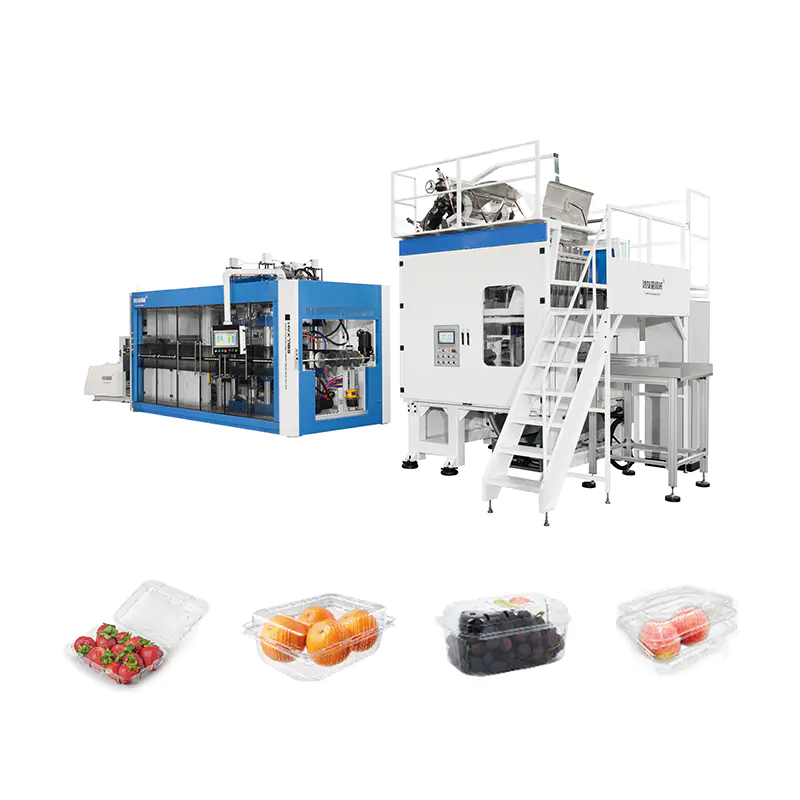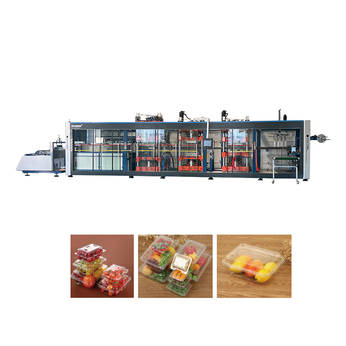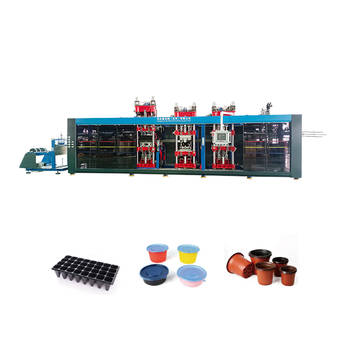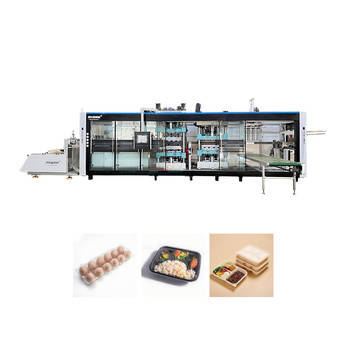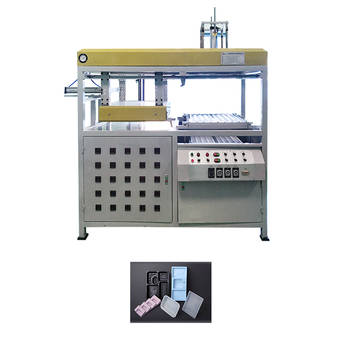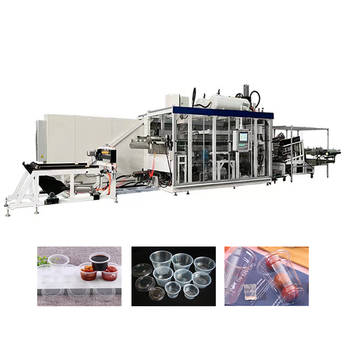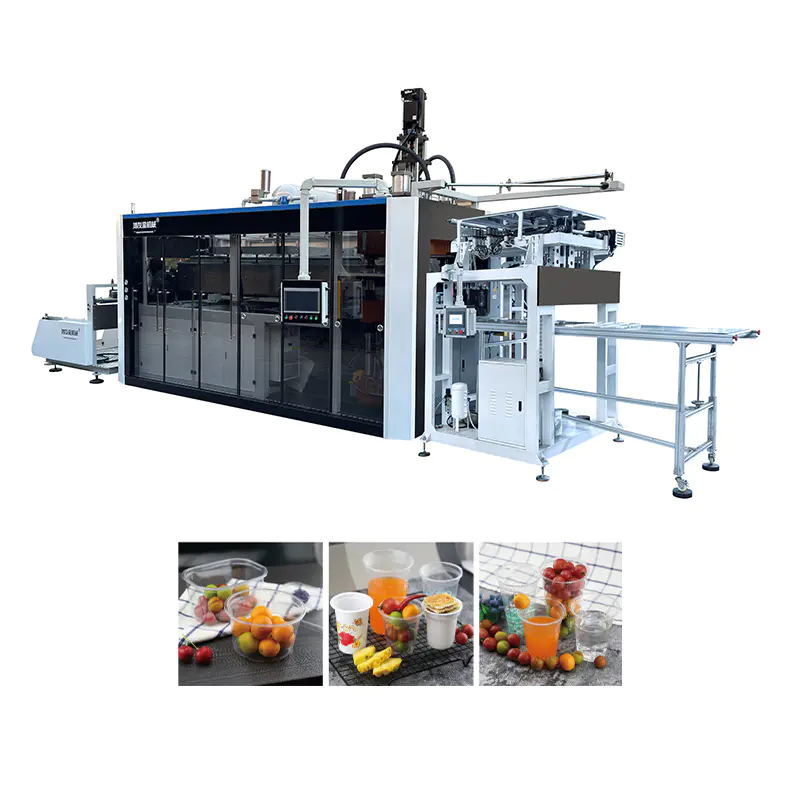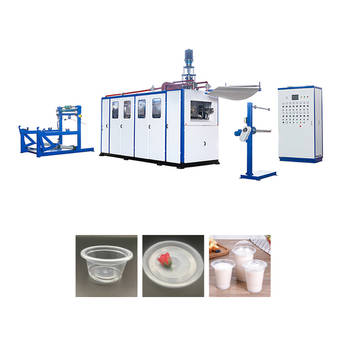
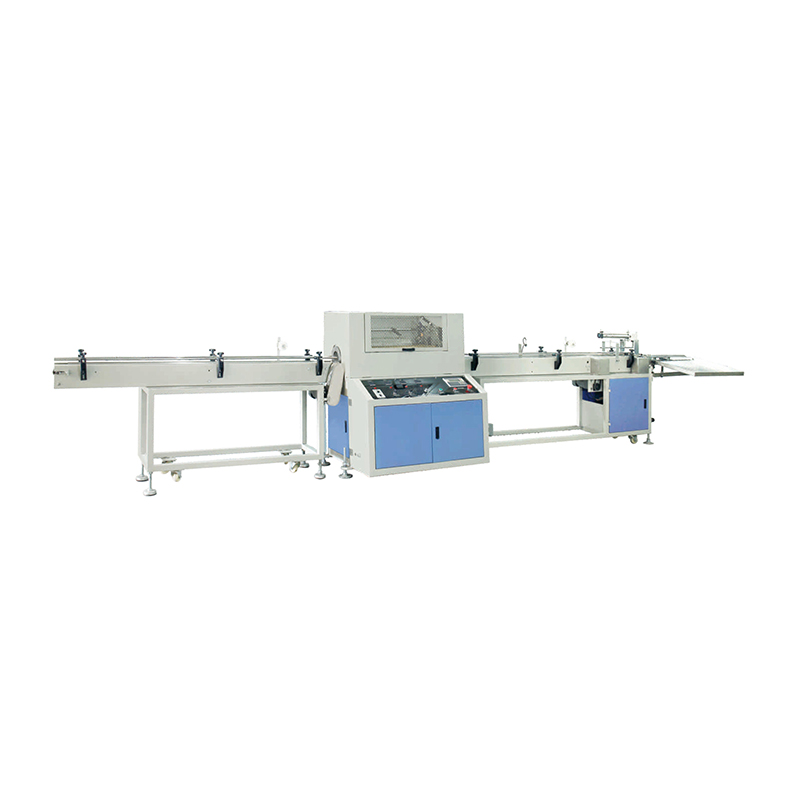
Plastic cups are manufactured through a sequence of highly automated industrial processes. The core steps are raw material preparation, sheet extrusion or injection molding, thermoforming, rim rolling, printing, stacking, and quality inspection. The exact process varies depending on the cup type — for example, PP (polypropylene) and PS (polystyrene) cups typically use thermoforming, while thicker cups may use injection molding. Understanding this process is essential for buyers, engineers, and operators evaluating production efficiency and equipment selection.
The manufacturing process begins with choosing the right plastic resin. The most commonly used materials in disposable cup production include:
Resin pellets are dried and mixed with colorants or additives (such as UV stabilizers or anti-static agents) before being fed into the extruder. Moisture content must be controlled below 0.02% for PP and PET to avoid defects such as bubbles or surface streaks in the finished sheet.
For thermoformed cups, the plastic resin is first converted into a continuous flat sheet through an extrusion line. The process involves:
Sheet thickness directly affects cup wall strength and weight. Standard disposable cups use sheets ranging from 0.25 mm to 0.60 mm thick. Thicker sheets produce more durable cups but increase material cost and forming cycle time.
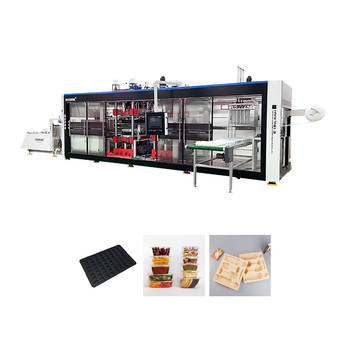
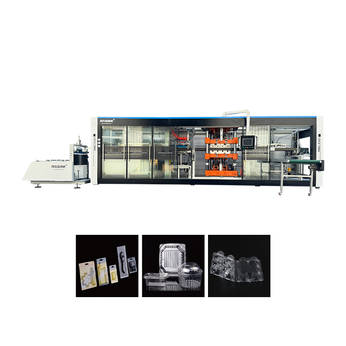
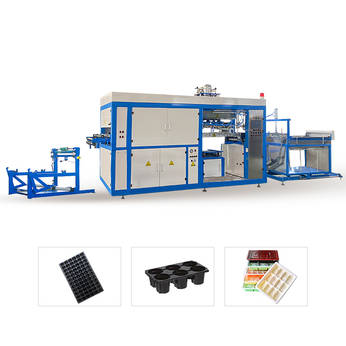
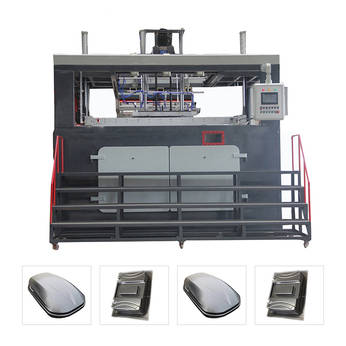
Thermoforming is the dominant process for high-volume plastic cup production. The rolled sheet is reheated until pliable, then formed into cup shapes using a mold.
| Method | Description | Typical Application |
|---|---|---|
| Vacuum Forming | Vacuum draws softened sheet into mold cavity | Thin-wall PS or PP cups |
| Pressure Forming | Compressed air pushes sheet into mold with greater detail | Higher-definition cups, lids |
| Plug-Assist Forming | Mechanical plug pre-stretches sheet before vacuum/pressure | Deep cups, more uniform wall thickness |
Modern thermoforming machines can operate at speeds of 20 to 45 cycles per minute, with multi-cavity molds producing 8 to 32 cups per cycle depending on cup diameter and machine size. After forming, cups are punched out from the sheet, and the skeletal waste material (trim) is typically reground and reused.
After thermoforming and punching, cups have a sharp, unfinished top edge. Rim rolling curls this edge outward and downward to form a smooth, rounded lip — essential for consumer safety, structural rigidity, and a comfortable drinking experience.
This operation is performed by a Plastic Cup Rim Rolling Machine, which uses heated rollers or forming tools to curl the cup's top edge consistently at high speed. Key performance parameters of rim rolling equipment include:
A poorly executed rim roll results in jagged edges, inconsistent curls, or structural weakness — all of which trigger quality rejections. Rim rolling is therefore one of the most quality-sensitive steps in the entire production line.
For reusable or heavy-duty cups — such as stadium cups, promotional cups, or thick-wall cold cups — injection molding is used instead of thermoforming. In this process, molten plastic is injected directly into a closed metal mold under high pressure (typically 800 to 1,500 bar), forming the complete cup shape in a single step.
Injection-molded cups feature greater dimensional accuracy and wall uniformity compared to thermoformed cups. However, the process is slower and tooling costs are significantly higher — a single injection mold can cost $10,000 to $80,000 depending on complexity and cavity count. This makes injection molding most cost-effective for large-volume, high-value products.
Decoration is applied either before or after forming, depending on the method:
Food-grade inks certified under applicable regulations (such as EU 10/2011 or FDA 21 CFR) must be used for all cups intended for food and beverage contact.
After rim rolling and printing, cups are automatically stacked into uniform columns. Stacking machines count cups precisely — typically in quantities of 25, 50, or 100 per sleeve — and wrap them in plastic film or paper sleeves. Final packaging may be individual sleeves in cartons or bulk packs on pallets.
Automated stacking systems integrated with the forming line can handle over 100,000 cups per hour on high-speed production lines, minimizing manual labor and contamination risk.
Quality inspection occurs at multiple stages:
| Stage | Inspection Item | Common Standard |
|---|---|---|
| Extrusion | Sheet thickness, surface defects | ±0.02 mm thickness tolerance |
| Thermoforming | Cup height, diameter, wall uniformity | Per buyer or ISO spec |
| Rim Rolling | Curl diameter, smoothness, no cracks | Visual + dimensional check |
| Printing | Color accuracy, registration, ink adhesion | Spectrophotometer + tape test |
| Final | Capacity, leak test, stacking height | ASTM D2911 or equivalent |
Automated vision inspection systems are increasingly used on high-speed lines to detect defects such as pinholes, deformation, incomplete rims, or print errors at line speed without slowing production.
PP (polypropylene) and PS (polystyrene) are the most widely used. PP is preferred for hot-drink cups due to its heat resistance, while PS is common for cold cups and dessert containers.
Thermoforming is faster and more cost-effective for thin-wall, high-volume cups. Injection molding produces thicker, more precise cups but requires higher tooling investment and slower cycle times.
Rim rolling smooths the sharp cut edge of the cup into a safe, rounded lip. It also improves structural strength and provides a comfortable drinking surface. Cups without proper rim rolling fail safety and quality standards.
High-speed thermoforming lines with multi-cavity molds and integrated rim rolling can produce over 100,000 cups per hour. Output depends on cup size, mold cavitation, and machine configuration.
Yes, but with restrictions. Recycled resin is generally used for non-food-contact layers in multi-layer cups, or for non-beverage applications. Direct food-contact layers must meet regulatory requirements for virgin or certified food-grade recycled materials.
Depending on the market, cups may need to comply with FDA 21 CFR (USA), EU Regulation 10/2011 (Europe), or GB 4806 (China) standards for food-contact plastics. Inks and coatings must also meet corresponding food-safe certifications.

 +8618621972598
  +8613917961988
  [email protected]
 No. 565, Xinchuan Road, Xinta Community, Lili Town, Wujiang District, Suzhou City, China
 Copyright © 2024 Thermoforming Machine/Plastic Cup Machine All Rights Reserved.Custom Automatic Vacuum Thermoforming Plastic Machine Manufacturers



 English
 عربى
عربى 简体中文
简体中文