

 English
 عربى
عربى 简体中文
简体中文
Home / News / Industry News / How to reduce wear and tear in an automatic thermoforming hydraulic cutting machine?

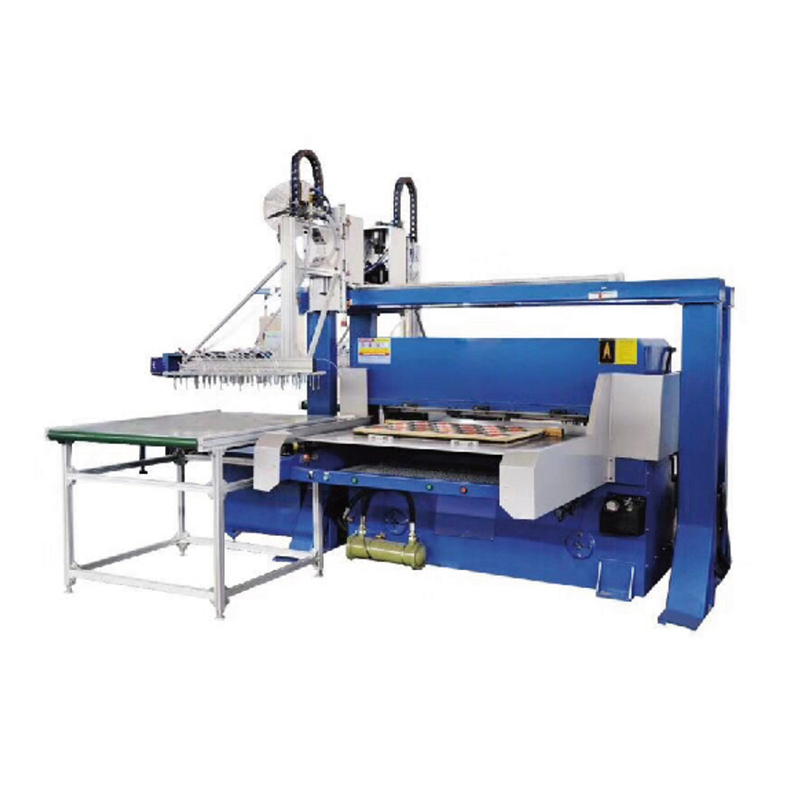
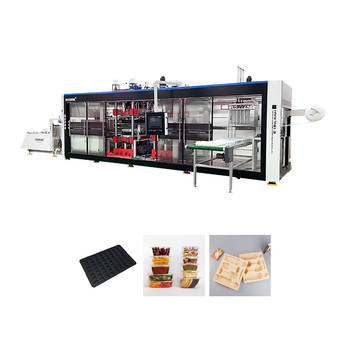
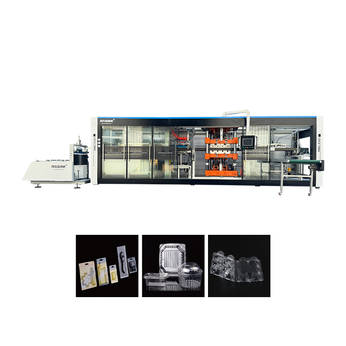
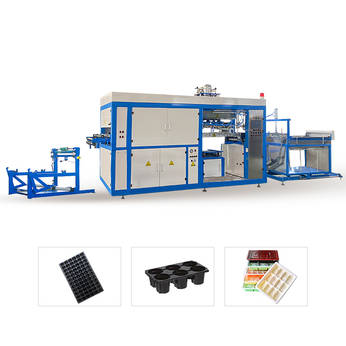
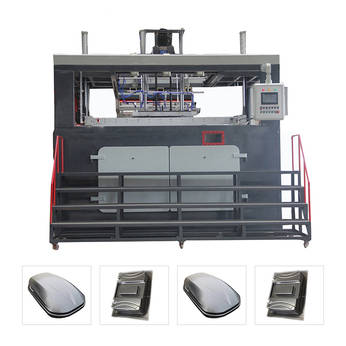
The automatic thermoforming hydraulic cutting machine is widely utilized in industries such as packaging, automotive, and consumer goods for high-precision cutting of thermoplastic sheets and films. While these machines are designed for high efficiency and durability, continuous operation inevitably leads to wear and tear, affecting cutting accuracy, operational efficiency, and equipment lifespan.
To reduce wear, it is crucial first to identify the factors that contribute to it. Wear in automatic thermoforming hydraulic cutting machines generally arises from mechanical, hydraulic, and operational sources.
Mechanical wear occurs in components that experience friction, such as blades, guide rails, bearings, and support structures. High-speed operation or continuous cutting of hard or abrasive materials can accelerate wear.
Hydraulic wear is associated with the internal components of the hydraulic system, including cylinders, pumps, valves, and seals. Improper hydraulic fluid maintenance, overloading, or fluctuating pressures can result in seal degradation, leakage, and component abrasion.
Operational factors contributing to wear include improper settings, insufficient lubrication, and incorrect material handling. Operators play a critical role in mitigating these factors through consistent adherence to maintenance protocols and operational guidelines.
Table 1. Common sources of wear in an automatic thermoforming hydraulic cutting machine
| Source type | Examples of affected components | Primary causes |
|---|---|---|
| Mechanical | Blades, guide rails, bearings | Friction, abrasive materials, continuous use |
| Hydraulic | Cylinders, pumps, seals | Fluid contamination, pressure fluctuations |
| Operational | Entire machine | Incorrect settings, poor lubrication, mishandling |
The type of material processed has a direct impact on the wear rate of an automatic thermoforming hydraulic cutting machine. High-density thermoplastics, composite sheets, or reinforced materials increase the stress on cutting blades and hydraulic systems. Selecting materials compatible with the machine’s specifications can significantly reduce wear.
For instance, softer PET, PVC, or polypropylene sheets are generally less abrasive, reducing blade degradation. In contrast, materials with embedded fillers or higher hardness may require slower cutting speeds or specialized blade types to minimize wear. Using high-quality thermoplastic sheets designed for thermoforming applications can also enhance equipment longevity.
The hydraulic system is central to the operation of the automatic thermoforming hydraulic cutting machine. Proper maintenance and monitoring are essential to minimize wear.
Table 2. Hydraulic system maintenance schedule for an automatic thermoforming hydraulic cutting machine
| Maintenance task | Recommended frequency | Notes |
|---|---|---|
| Hydraulic fluid replacement | Every 6–12 months | Use manufacturer-recommended fluid |
| Seal inspection | Monthly | Replace worn or damaged seals immediately |
| Pressure system check | Weekly | Ensure pressures match material specifications |
| Temperature monitoring | Continuous | Maintain within operational limits |
The cutting blade is the component most directly affected by wear. Effective blade management practices include:
Blade handling should always be performed by trained personnel to prevent accidental damage. Additionally, blade rotation or alternation can distribute wear more evenly, prolonging operational life.
Lubrication reduces friction in mechanical components such as guide rails, bearings, and moving joints. Insufficient lubrication is a primary contributor to mechanical wear. Guidelines for effective lubrication include:
Operator behavior and workflow significantly influence wear. Strategies to minimize wear through operational practices include:
Regular performance monitoring helps detect wear before it causes significant damage. Key indicators include:
Using machine monitoring software or integrated sensors can provide real-time data for proactive maintenance.
A structured preventive maintenance program is essential for minimizing wear and tear. Components of an effective program include:
Preventive maintenance reduces unplanned downtime, improves cutting accuracy, and prolongs the overall lifespan of the automatic thermoforming hydraulic cutting machine.
The operating environment directly affects wear. Dust, moisture, and extreme temperatures can accelerate degradation. Recommended practices include:
Additionally, storage of raw materials in controlled conditions reduces the risk of abrasive particles that could damage blades and guides.
Long-term strategies for reducing wear in an automatic thermoforming hydraulic cutting machine involve both technological and operational improvements:
Investing in these strategies may involve upfront costs but yields substantial savings in maintenance, replacement, and downtime over time.
Wear and tear in an automatic thermoforming hydraulic cutting machine is an inevitable consequence of continuous operation. However, implementing proper maintenance, optimal hydraulic and mechanical practices, and careful operational management can significantly reduce its impact. Prioritizing preventive measures, blade management, hydraulic performance, and environmental control ensures sustained performance, improved cutting accuracy, and prolonged machine lifespan.
Q1: How often should hydraulic fluid be replaced in an automatic thermoforming hydraulic cutting machine?
A1: Hydraulic fluid should be replaced every 6–12 months, depending on operational intensity and manufacturer recommendations. Regular monitoring of fluid condition is advised.
Q2: Can blade alignment affect the wear of the machine?
A2: Yes. Misaligned blades increase friction and localized stress, accelerating wear on both mechanical and hydraulic components.
Q3: What is the recommended way to handle abrasive materials?
A3: Reduce cutting speed, use high-strength or coated blades, and ensure proper lubrication and hydraulic pressure settings to minimize wear.
Q4: How can operators detect early signs of wear?
A4: Signs include decreased cutting precision, increased vibration, unusual noises, hydraulic leaks, and changes in fluid temperature or pressure trends.
Q5: Is preventive maintenance more effective than reactive maintenance?
A5: Absolutely. Preventive maintenance reduces downtime, improves cutting accuracy, and extends the machine’s lifespan compared to reactive repairs.

 +8618621972598
  +8613917961988
  [email protected]
 No. 565, Xinchuan Road, Xinta Community, Lili Town, Wujiang District, Suzhou City, China
 Copyright © 2024 Thermoforming Machine/Plastic Cup Machine All Rights Reserved.Custom Automatic Vacuum Thermoforming Plastic Machine Manufacturers