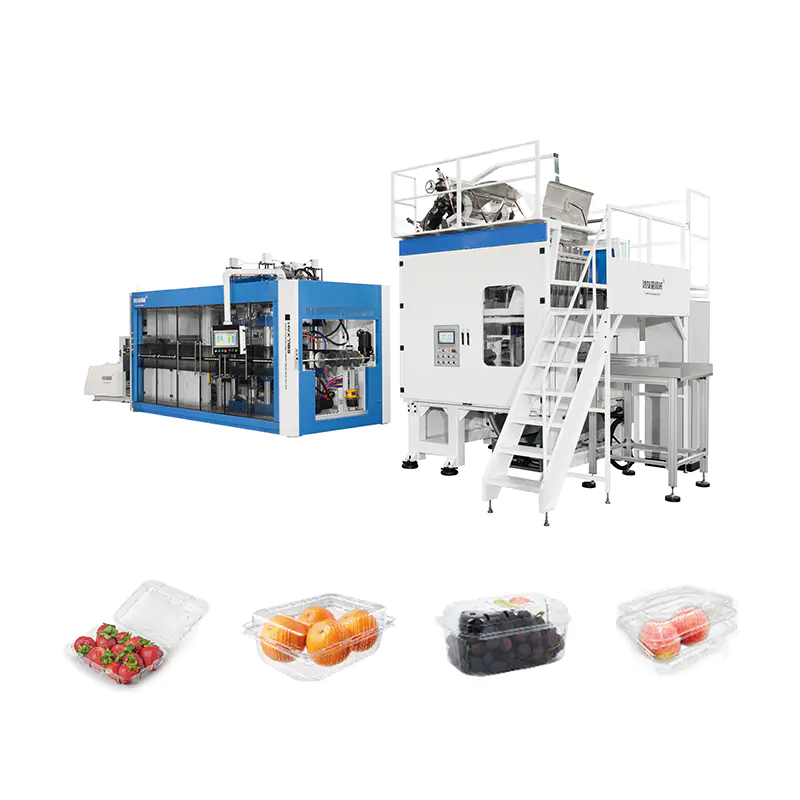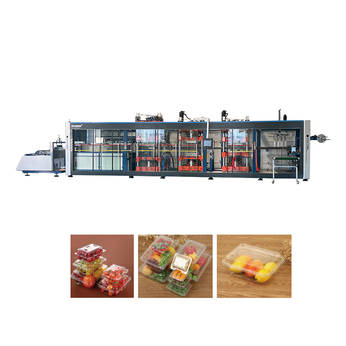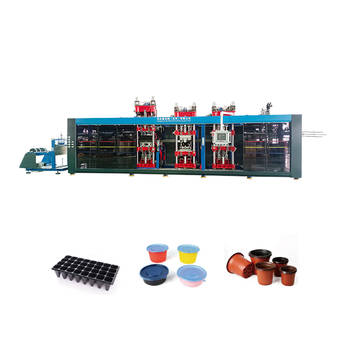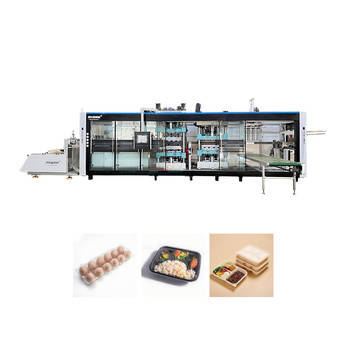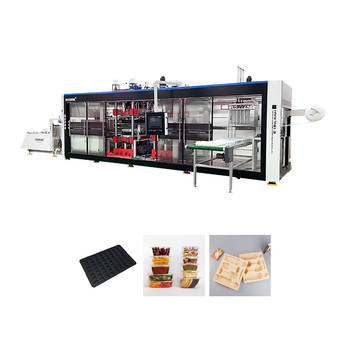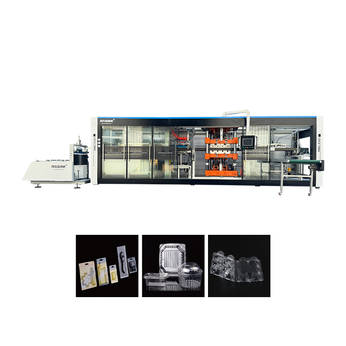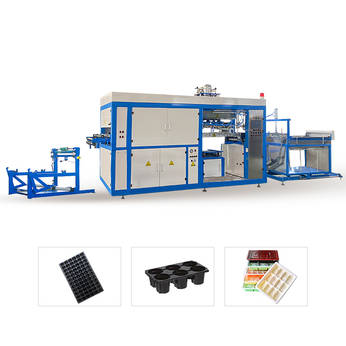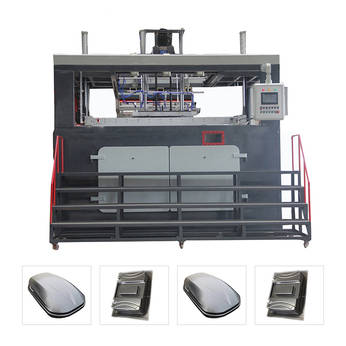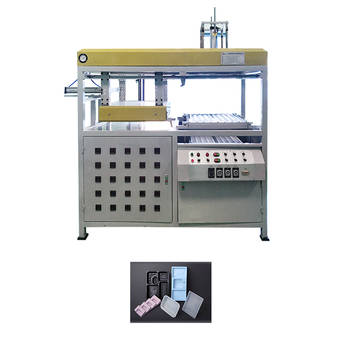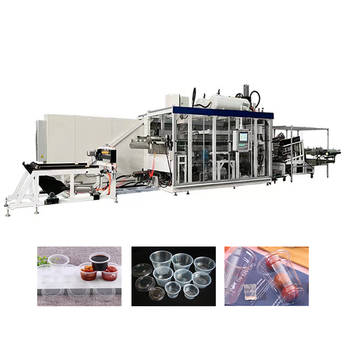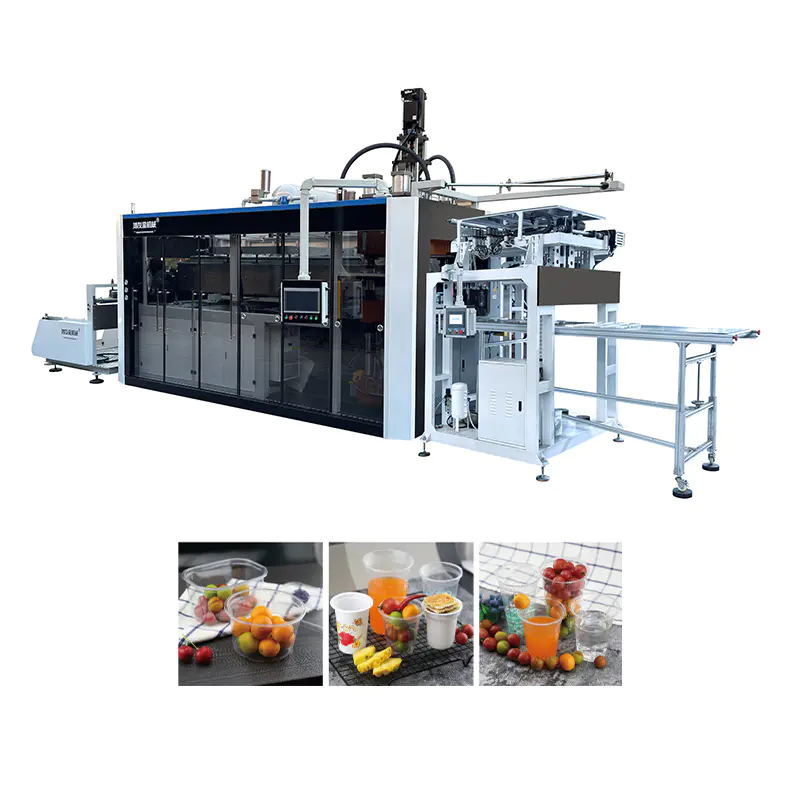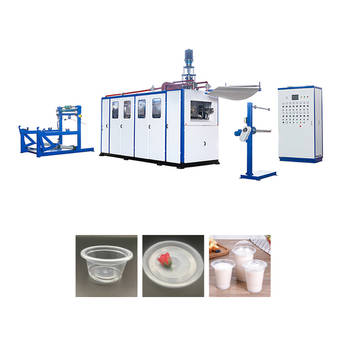
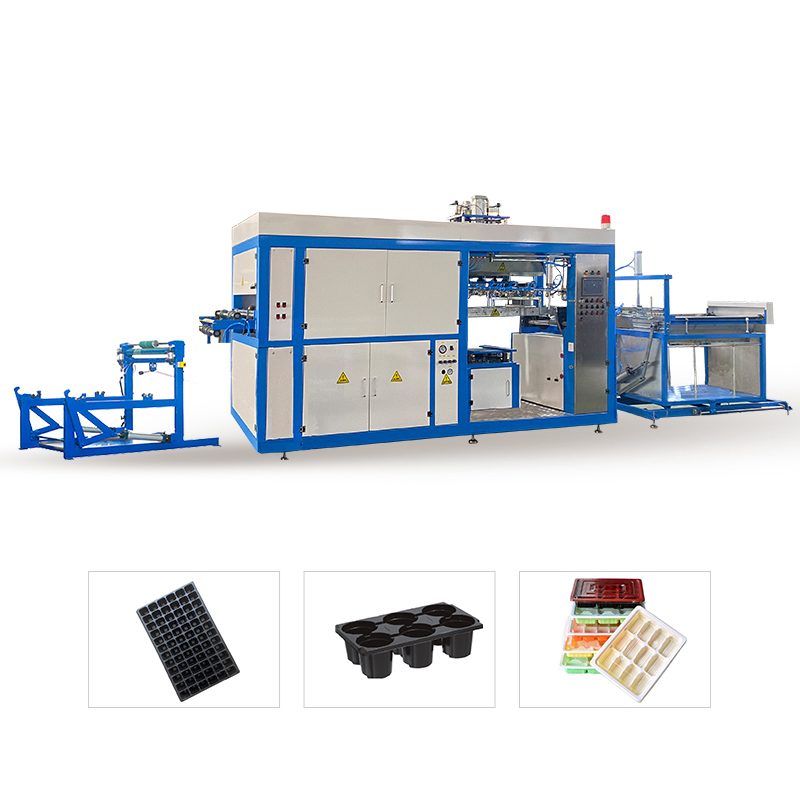
In the manufacturing sector, vacuum forming is a widely used technique for shaping thermoplastic materials into specific forms. The semi-automatic vacuum forming machine is a versatile tool that simplifies this process while maintaining precision and efficiency. While vacuum forming has long been used for producing simple, uniform shapes, the ability to handle more intricate and complex designs is a significant challenge.
Vacuum forming involves heating a thermoplastic sheet until it becomes soft and pliable, followed by using a vacuum to pull the material over a mold. The process works by creating a pressure difference, where the heated plastic sheet is forced into the detailed contours of a mold. Once cooled, the material retains the shape of the mold.
In semi-automatic vacuum forming, the process is controlled by an operator, but the machine automates several critical steps, such as heating, vacuum pressure regulation, and cooling. This automation speeds up the process and reduces the risk of human error while offering flexibility in handling various complexities in shapes.
To understand how semi-automatic vacuum forming machines handle complex shapes, it’s important to recognize that these machines employ a combination of mechanical and automation systems that allow them to form detailed contours. Let’s break down the factors involved in achieving this:
Heating the material to an appropriate, consistent temperature is crucial for forming complex shapes. If the material is unevenly heated, it can lead to warping, inconsistent thickness, and difficulty in molding intricate features. Semi-automatic vacuum forming machines allow operators to control heating cycles precisely, ensuring that the thermoplastic sheet reaches a uniform, optimal temperature. The use of advanced heating systems ensures that even complex, multi-directional shapes can be molded without creating defects.
The ability to handle complex shapes begins with the mold itself. While the semi-automatic machine cannot alter the mold during the forming process, it can support a wide range of mold designs. These molds can have varying depths, undercuts, and curved surfaces, all of which are vital for creating more intricate shapes. Furthermore, molds can be customized to include features like texture or detailed patterns, which can be accurately replicated onto the formed plastic.
A critical factor in vacuum forming is the application of vacuum pressure, which draws the heated plastic over the mold. Semi-automatic vacuum forming machines provide operators with the flexibility to adjust vacuum levels depending on the complexity of the mold. Higher vacuum pressure is typically required for intricate, detailed shapes, as it ensures that the plastic fully adheres to the mold’s fine features. The precision in vacuum pressure control enables semi-automatic systems to handle fine details and sharp corners with ease.
The speed at which the plastic is drawn over the mold can influence the outcome of the forming process. For complex shapes with intricate details, a slower forming speed is often required to ensure the material is fully conformed to every contour of the mold. Semi-automatic vacuum forming machines allow operators to adjust the speed at which the plastic is vacuum-formed, which can be crucial for complex shapes.
Once the material has been vacuum-formed, it must be allowed to cool and solidify into its final shape. Cooling systems in semi-automatic machines ensure that the plastic retains its newly formed shape without warping or distortion. Additionally, operators can fine-tune cooling cycles based on the complexity of the shape. Longer cooling times may be necessary for thicker or more detailed forms, allowing the material to fully solidify without shrinking or deforming.
The type of thermoplastic used can also affect how well a semi-automatic vacuum forming machine can handle complex shapes. Materials like PET (Polyethylene Terephthalate), ABS (Acrylonitrile Butadiene Styrene), and PVC (Polyvinyl Chloride) are commonly used for their flexibility and ease of forming. The material’s viscosity and temperature resistance can determine how well it handles more complex molds. Semi-automatic machines offer the flexibility to adjust heating parameters for different materials, allowing for complex shapes across a variety of plastic types.
When attempting to form complex shapes, there is always the risk of uneven stretching or thinning of the material. This issue is particularly common with intricate designs that require significant material movement into deep sections of the mold. To overcome this, semi-automatic machines allow for adjustments in vacuum pressure, heating, and forming speed to ensure that material distribution is even, thus minimizing thinning in detailed sections.
Undercuts, or areas where the mold has a negative draft, can create challenges in the removal of the formed part from the mold. Semi-automatic vacuum forming machines are typically equipped with mold release mechanisms that help in extracting the formed shape without damage. Additionally, the precision of the vacuum system and the ability of the machine to control the heating temperature can minimize issues with undercuts.
Molds with highly detailed or intricate shapes can be more challenging to handle because of their geometry. Semi-automatic vacuum forming machines can address these challenges by employing a combination of careful control over the vacuum pressure, clamping strength, and heating cycle. However, achieving perfect results may still require a well-designed mold that accommodates the forming process.
Semi-automatic vacuum forming machines offer substantial versatility when it comes to handling complex shapes. Through a combination of precision heating, customizable mold designs, controlled vacuum pressure, and flexible forming speed, these machines are well-suited to create detailed and intricate plastic components. By adjusting various parameters, operators can form complex parts with sharp details, undercuts, and fine features. Despite the inherent challenges in forming complex shapes, modern semi-automatic machines provide the flexibility and precision needed to achieve high-quality, consistent results.
Vacuum pressure plays a crucial role in ensuring that the material conforms to intricate details in the mold. Higher vacuum pressure is typically required for complex shapes to ensure the plastic fully adheres to the mold’s features.
Materials like PET, ABS, and PVC are commonly used for vacuum forming complex shapes. These materials have good flexibility, heat resistance, and are easily manipulated during the forming process.
Adjusting vacuum pressure, heating temperature, and forming speed can help minimize material thinning. Slower forming speeds and even heating ensure a more uniform distribution of the material.

 +8618621972598
  +8613917961988
  [email protected]
 No. 565, Xinchuan Road, Xinta Community, Lili Town, Wujiang District, Suzhou City, China
 Copyright © 2024 Thermoforming Machine/Plastic Cup Machine All Rights Reserved.Custom Automatic Vacuum Thermoforming Plastic Machine Manufacturers



 English
 عربى
عربى 简体中文
简体中文