

 English
 عربى
عربى 简体中文
简体中文
Home / News / Industry News / How do you prevent sheet sticking on a semi automatic vacuum forming machine?

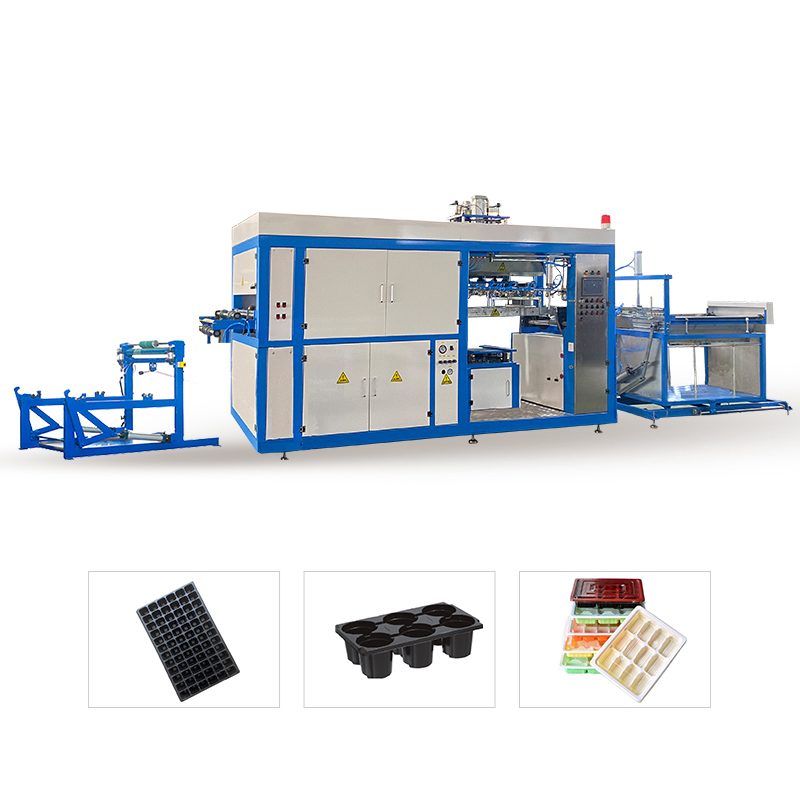
Sheet sticking is a common challenge faced during the operation of a semi automatic vacuum forming machine, especially when working with thermoplastic materials such as PET, PVC, or ABS. Proper handling, maintenance, and operational techniques are essential to prevent sticking, improve forming efficiency, and ensure high-quality output.
Sheet sticking occurs when the thermoplastic sheet adheres to the mold or forming surface, making it difficult to remove without causing defects. In a semi automatic vacuum forming machine, this problem can arise due to multiple factors including material properties, temperature control, vacuum pressure, mold surface finish, and operator technique. Recognizing the root causes is critical for implementing effective solutions.
The type of thermoplastic material used significantly affects the likelihood of sticking. High-gloss sheets, PET films, or certain PVC grades tend to stick more easily due to their surface characteristics and thermal sensitivity. In contrast, textured sheets or sheets with additives designed to reduce adhesion often demonstrate better release behavior.
Incorrect heating is one of the most common reasons for sheet sticking. If a sheet is underheated, it may not form properly and can stretch unevenly, creating areas that adhere to the mold. Overheating, however, increases the sheet’s tackiness, making it more prone to sticking. Proper calibration of the heating elements in a semi automatic vacuum forming machine is therefore critical.
Excessive vacuum pressure can force the sheet into microscopic mold imperfections, increasing the adhesion between the sheet and the mold surface. Conversely, insufficient vacuum may prevent the sheet from forming correctly, leading to uneven sticking or deformation. Fine-tuning vacuum parameters according to sheet thickness and mold type is a necessary step.
Mold surface quality directly impacts sheet release. A smooth, polished mold surface can reduce friction, while textured or poorly maintained molds increase the risk of sticking. Applying mold release agents or coatings is a common industry practice to mitigate adhesion. Operators should consider both chemical release agents and silicone-based coatings, depending on the material being formed.
| Mold surface type | Effect on sticking | Recommended usage |
|---|---|---|
| Polished metal | Low sticking | Suitable for smooth PET and ABS sheets |
| Textured metal | Moderate sticking | For decorative or patterned sheets |
| Coated metal (release) | Minimal sticking | High-gloss or heat-sensitive sheets |
| Worn or scratched molds | High sticking | Requires resurfacing or maintenance before forming |
Proper handling techniques can greatly reduce the occurrence of sheet sticking in a semi automatic vacuum forming machine. These include:
| Sheet material | Recommended heating range | Vacuum application | Cooling time (min) |
|---|---|---|---|
| PET | Medium | Gradual | 2–3 |
| PVC | Medium-high | Moderate | 3–4 |
| ABS | High | Slow | 2–3 |
| Polystyrene | Medium | Gradual | 1–2 |
Regular maintenance of a semi automatic vacuum forming machine can significantly reduce sheet sticking incidents. Key strategies include:
Experienced operators may use several additional strategies to prevent sheet sticking:
A semi automatic vacuum forming machine often forms part of a larger production line. Ensuring consistent sheet handling, proper storage of raw materials, and adherence to operational best practices contributes to fewer sticking issues. Operators should also maintain a record of mold performance and adjust parameters based on sheet type and product design.
Preventing sheet sticking also has safety implications. Forcing a stuck sheet from the mold can lead to:
Using proper tools for demolding and maintaining consistent operational procedures ensures both product quality and operator safety.
Implementing a preventive approach based on performance data is essential. Operators should track:
By analyzing this data, adjustments can be made to reduce future occurrences and improve overall productivity.
Q1: Can mold release sprays permanently prevent sheet sticking on a semi automatic vacuum forming machine?
A1: Mold release sprays are effective but not permanent. They must be reapplied regularly, and proper mold cleaning is necessary for consistent performance.
Q2: Does sheet thickness affect sticking?
A2: Yes, thicker sheets are less prone to sticking due to higher rigidity, while very thin sheets are more susceptible to adhesion if heated excessively.
Q3: Can vacuum pressure alone prevent sticking?
A3: No. Vacuum pressure must be balanced with temperature control, mold condition, and cooling time. Excessive pressure can worsen sticking.
Q4: Is preheating molds necessary?
A4: Preheating molds can help with uniform forming and reduce localized sticking, especially for high-gloss or heat-sensitive sheets.
Q5: How often should molds be inspected?
A5: Molds should be inspected daily for scratches, residue, and wear. Preventive maintenance helps maintain consistent sheet release.

 +8618621972598
  +8613917961988
  [email protected]
 No. 565, Xinchuan Road, Xinta Community, Lili Town, Wujiang District, Suzhou City, China
 Copyright © 2024 Thermoforming Machine/Plastic Cup Machine All Rights Reserved.Custom Automatic Vacuum Thermoforming Plastic Machine Manufacturers