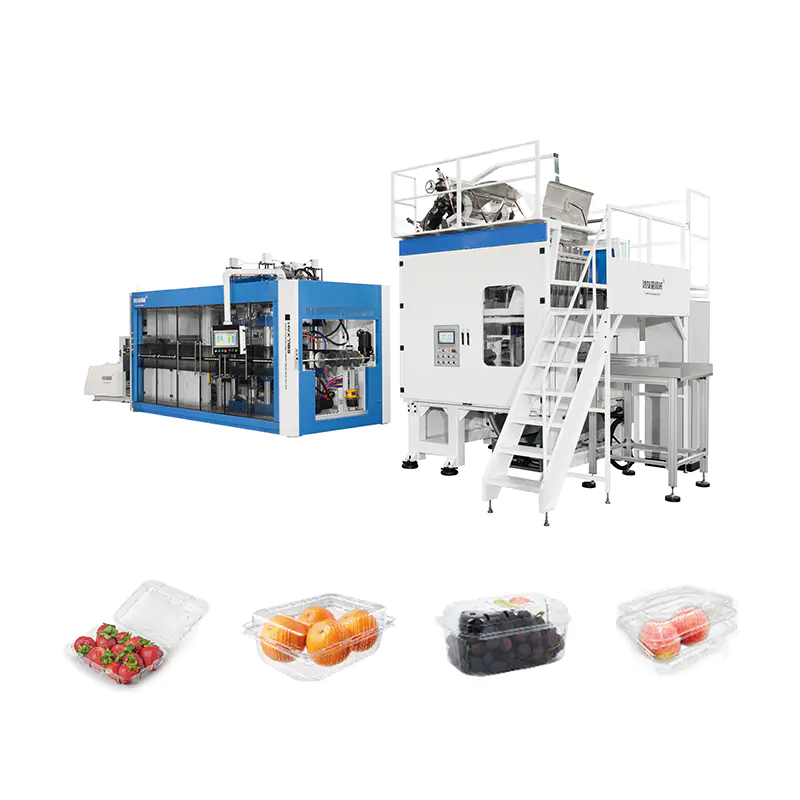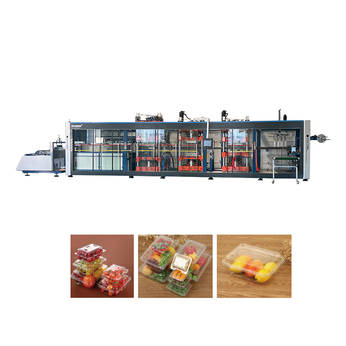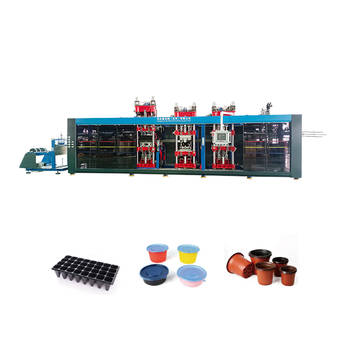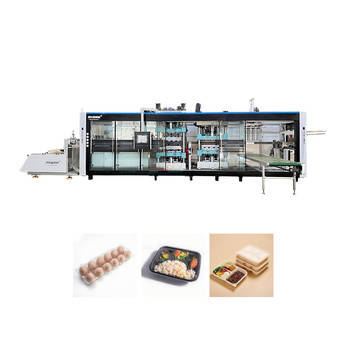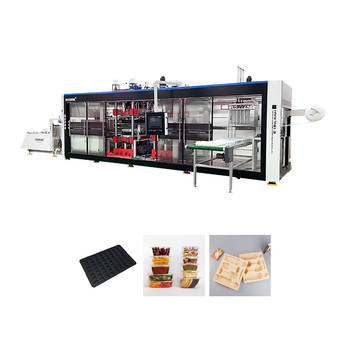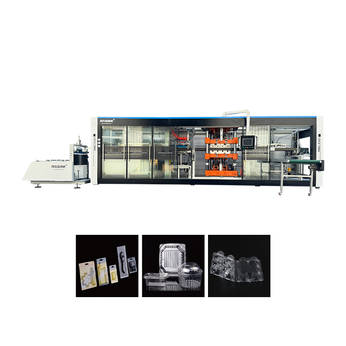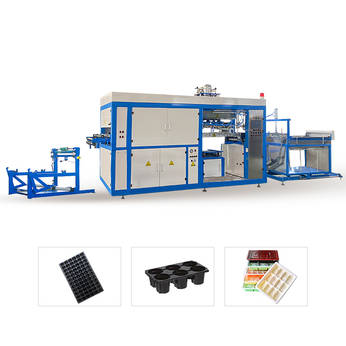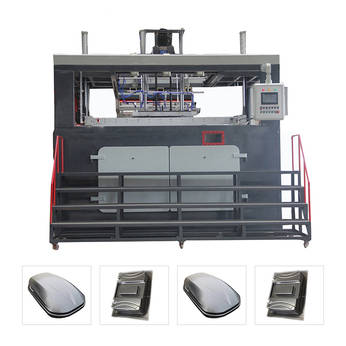
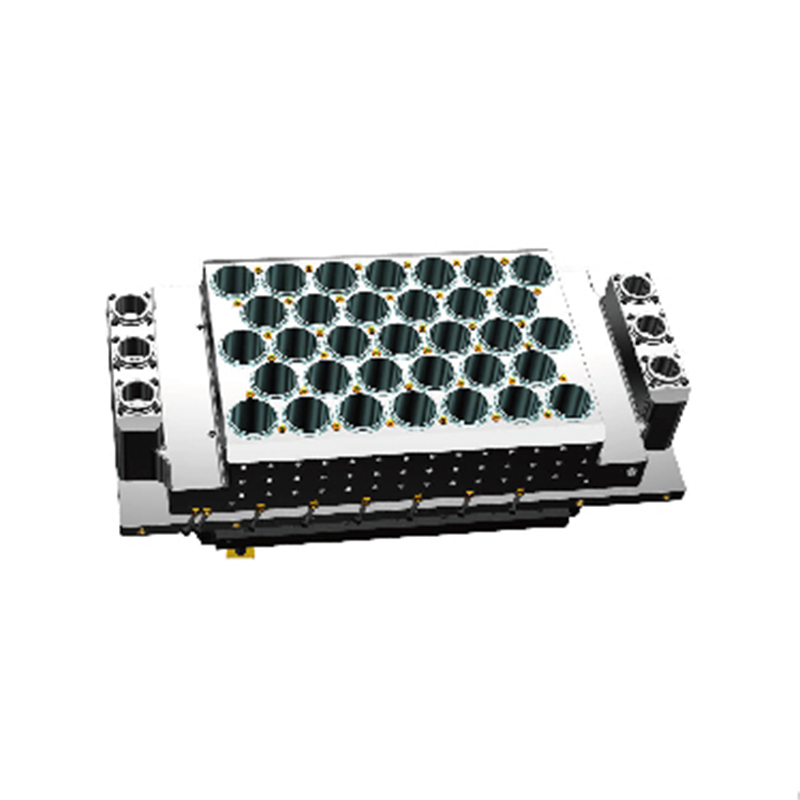
In the competitive landscape of plastic packaging, increasing productivity while maintaining high-quality standards is a constant challenge. Thermoforming plastic containers moulds are essential in achieving this balance, and multi-cavity molds play a significant role in optimizing production efficiency. By integrating multiple cavities into a single mold, manufacturers can produce more units per cycle, which directly impacts productivity, cost-effectiveness, and scalability.
Multi-cavity molds are specialized tooling designs that enable the production of multiple plastic containers in a single cycle of the thermoforming process. Unlike traditional single-cavity molds, multi-cavity molds feature several cavities within one mold frame. Each cavity shapes a separate part, allowing multiple parts to be formed simultaneously.
This approach is particularly advantageous in high-volume production settings, where the need to reduce cycle time and enhance output is paramount. By leveraging multi-cavity molds, manufacturers can significantly increase throughput without compromising the integrity of the end product.
The primary benefit of multi-cavity molds is the increase in production efficiency. In traditional single-cavity molds, the thermoforming process is repeated for each individual container. With multi-cavity molds, multiple containers can be formed during a single cycle, effectively multiplying the production output.
Example:
| Process Type | Output per Cycle |
|---|---|
| Single-Cavity Mold | 1 container |
| Multi-Cavity Mold (4 Cavities) | 4 containers |
This reduction in cycle time is one of the most significant factors in improving overall production efficiency, particularly for industries requiring high-volume packaging solutions, such as food or pharmaceutical packaging.
Cycle time is the total duration required for one complete molding process, including heating, forming, cooling, and ejection. With a multi-cavity mold, the time taken for heating and forming is the same, regardless of the number of cavities. The increased number of parts per cycle reduces the overall time needed to produce a certain number of containers.
For example, if a single-cavity mold takes 30 seconds per cycle, a four-cavity mold could potentially produce four times as many containers in the same amount of time.
By increasing the number of parts produced in each cycle, manufacturers can lower the cost per unit. The initial setup and maintenance costs for a multi-cavity mold are higher than a single-cavity mold, but these costs are spread over a larger number of products. As a result, the cost per unit decreases, making the production process more cost-effective.
Multi-cavity molds often allow for better material usage, as the distribution of material across multiple cavities is optimized. In some cases, material waste can be minimized through precise mold design and the ability to distribute the plastic evenly across all cavities. This optimization can lead to substantial material savings, contributing to lower operational costs.
While multi-cavity molds are typically used for standard shapes and sizes, advancements in mold technology have made it possible to include more intricate designs without sacrificing the efficiency benefits. The ability to incorporate complex geometries into each cavity allows manufacturers to diversify their product offerings without needing entirely separate molds for each design.
To fully realize the potential of multi-cavity molds, several design considerations must be taken into account:
The most critical factor in designing a multi-cavity mold is ensuring cavity balance. Each cavity must receive the same amount of material during the thermoforming process to ensure uniformity in product quality. If one cavity receives more material than another, it could lead to uneven thickness, warping, or defects in the final product.
Cavity balance is achieved through careful design of the flow channels, material distribution, and the placement of vents to ensure that the material flows evenly throughout all cavities.
Efficient cooling is crucial for ensuring that the material solidifies evenly across all cavities. The cooling system must be optimized to provide a uniform temperature distribution throughout the mold. Failure to properly cool each cavity can lead to inconsistent results, such as uneven wall thickness or deformation of the containers.
Molds with multiple cavities require a more sophisticated cooling system, often involving intricate channels or multiple cooling circuits, to ensure optimal performance.
Multi-cavity molds are subject to higher stress levels due to the increased production volume. As such, the choice of mold material is critical for maintaining durability and performance over time. Materials like hardened steel or high-strength alloys are typically used to ensure that the molds can withstand the wear and tear associated with high-volume production.
While multi-cavity molds increase productivity, they can also introduce challenges in maintenance. Molds with several cavities require regular inspection, cleaning, and repair to ensure optimal performance. Regular maintenance routines, such as periodic checks of the cavity surfaces, cooling channels, and ejector systems, are essential for preventing downtime and ensuring that production runs smoothly.
The use of multi-cavity molds can be enhanced through automation technologies. Robotic systems for part ejection, mold loading, and product stacking can further streamline production processes, reduce human error, and improve overall system efficiency. Automation allows for faster cycle times and more consistent product quality, particularly in high-volume environments.
The use of multi-cavity molds can also improve energy efficiency. By reducing the number of cycles needed to produce the same number of parts, manufacturers can lower the overall energy consumption of the thermoforming process. Additionally, the use of energy-efficient heating and cooling systems can further reduce the carbon footprint of the operation.
Automated quality control systems integrated into the production process can help ensure that each cavity produces a high-quality part. Vision systems, sensors, and inspection equipment can be employed to detect defects in the thermoformed products, allowing for immediate corrections to be made in the production process. This ensures that product consistency is maintained across all cavities.
Multi-cavity molds represent a significant advancement in thermoforming technology, offering substantial improvements in productivity, cost efficiency, and material usage. By enabling manufacturers to produce multiple containers in a single cycle, multi-cavity molds reduce cycle time and enhance production output. The careful design and maintenance of these molds, along with their integration into automated production systems, can further amplify the benefits.
However, to maximize the advantages of multi-cavity molds, manufacturers must pay close attention to cavity balance, cooling systems, mold materials, and maintenance routines. These elements are crucial to ensuring that the benefits of multi-cavity molds are fully realized in terms of both productivity and product quality.
1. What is the primary benefit of using multi-cavity molds in thermoforming?
2. How does cavity balance affect the thermoforming process?
3. Are multi-cavity molds suitable for all types of plastic containers?
4. How does automation complement multi-cavity molds?
5. What maintenance is required for multi-cavity molds?

 +8618621972598
  +8613917961988
  [email protected]
 No. 565, Xinchuan Road, Xinta Community, Lili Town, Wujiang District, Suzhou City, China
 Copyright © 2024 Thermoforming Machine/Plastic Cup Machine All Rights Reserved.Custom Automatic Vacuum Thermoforming Plastic Machine Manufacturers



 English
 عربى
عربى 简体中文
简体中文