

 English
 عربى
عربى 简体中文
简体中文
Home / News / Industry News / How Can Inline Crushers Improve Flexibility in Thermoforming Operations?

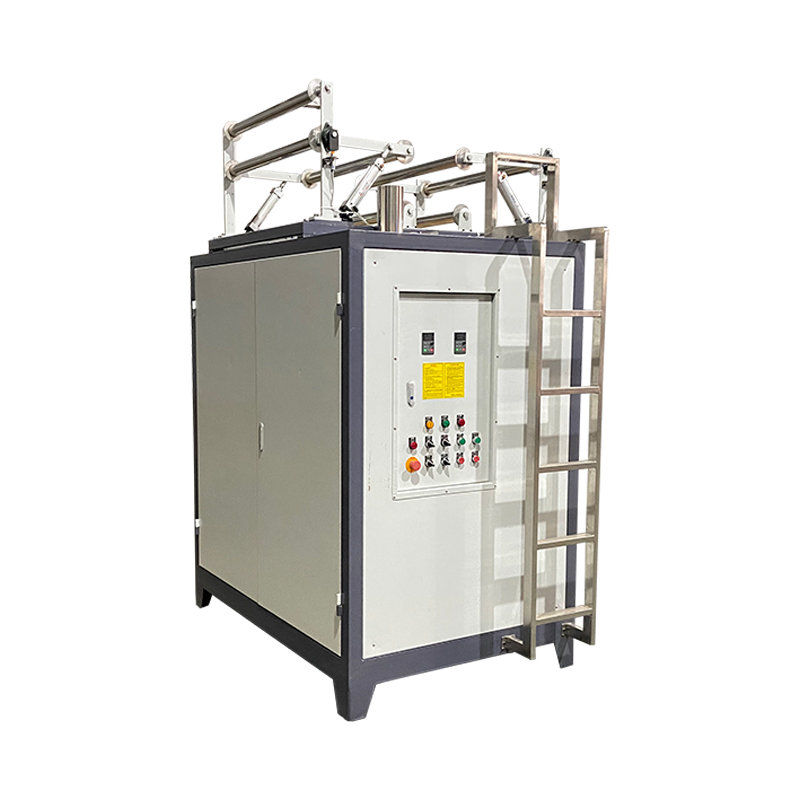
Thermoforming is a highly versatile and efficient manufacturing process used to produce plastic products. Whether in packaging, automotive parts, or medical devices, thermoforming allows for a range of material types and product designs. Inline crushers, which are integrated into the thermoforming process, can significantly enhance the overall flexibility of the operation. By addressing issues such as waste reduction, material handling, and equipment integration, inline crushers offer a strategic solution for optimizing production efficiency.
Thermoforming is a process that involves heating a thermoplastic sheet until it becomes soft and pliable. Once softened, the material is formed into a desired shape by using a mold. This method is widely used for producing a variety of items, including trays, containers, and blister packs. The success of thermoforming depends on the efficient handling of materials, optimal mold design, and effective use of equipment.
Inline crushers, as auxiliary machines integrated into the production line, play a critical role in enhancing the overall flexibility of thermoforming operations. These crushers are designed to break down materials into smaller, more manageable sizes before they are fed into the forming process. By doing so, inline crushers help to optimize material usage, reduce waste, and streamline production flow.
One of the primary benefits of inline crushers is their ability to improve material handling within the thermoforming process. Thermoforming often involves the use of large sheets or rolls of plastic material, which need to be precisely fed into the machine for optimal forming results.
Without an inline crusher, these materials may not always feed consistently into the forming station, especially if they are in large, bulky sheets or irregular sizes. An inline crusher breaks down these sheets into smaller, uniform pieces that are easier to handle and feed into the thermoforming machine. This ensures that the material flow remains steady and consistent, reducing the chances of machine malfunctions or material jams.
By improving feed consistency, inline crushers enable greater flexibility in the types of materials that can be used, from larger plastic sheets to scrap or recycled materials. This adaptability enhances the ability to switch between different product designs or material specifications without the need for extensive retooling or adjustments to the production line.
Inline crushers are essential for enabling the recycling of scrap material, a significant advantage in terms of both cost efficiency and environmental sustainability. In thermoforming operations, a substantial amount of material waste is often generated in the form of offcuts or trimmings. Traditional methods of waste disposal require separate handling and can increase operational costs.
With an inline crusher, waste materials can be processed and fed back into the system for reuse. The crusher reduces the size of these materials, making them suitable for reintegration into the production line. This not only reduces material costs but also decreases the environmental impact by minimizing the need for new raw materials. The recycling process becomes more seamless and efficient, increasing the overall flexibility of the operation, as manufacturers can quickly adapt to changes in material availability or product demand.
Another significant factor contributing to the flexibility of inline crushers in thermoforming operations is their ease of integration with existing production systems. Inline crushers are designed to work seamlessly with other thermoforming machinery, such as extruders, heaters, and forming presses, as well as downstream equipment like trimming and stacking machines. This smooth integration ensures that the entire system operates cohesively, without the need for constant manual intervention.
Automation capabilities in modern inline crushers allow for continuous operation with minimal oversight, which is particularly beneficial in high-volume manufacturing environments. The automated operation of the crusher ensures that material is processed in real-time and fed into the forming process without delay. This contributes to operational flexibility, as the system can handle various production speeds and material types without requiring significant adjustments.
Inline crushers provide thermoforming operators with greater flexibility in terms of the range of materials that can be used in production. They can handle a variety of plastic types, including polyethylene (PE), polystyrene (PS), and polypropylene (PP), as well as recycled materials. The ability to process different types of materials ensures that manufacturers can easily adapt to market demands, changes in material supply, or product redesigns.
Furthermore, the inline crusher’s ability to break down scrap materials into smaller pieces enables manufacturers to incorporate diverse product designs into their production processes. Whether producing simple containers or more complex, custom-designed products, the inline crusher helps streamline the processing of various material configurations, enhancing the overall versatility of the thermoforming operation.
The integration of an inline crusher into a thermoforming system also contributes to better process optimization and cost management. By reducing material waste and improving the handling of raw materials, inline crushers minimize the amount of time and resources required to maintain production continuity. This translates into cost savings, as less material is wasted, and production downtime is reduced.
Inline crushers also enable manufacturers to adjust production parameters more efficiently. As material flow and feed consistency improve, it becomes easier to scale production up or down based on demand. This flexibility allows companies to quickly adapt to shifts in market conditions, ensuring that they can meet customer demands without sacrificing quality or increasing costs.
Inline crushers play a crucial role in improving the flexibility of thermoforming operations. By enhancing material handling, enabling recycling and waste reduction, facilitating system integration and automation, and supporting a wide range of material types and product designs, these crushers offer manufacturers the ability to adapt to changing production needs. The integration of inline crushers into the thermoforming process not only streamlines operations but also contributes to significant cost savings and environmental benefits.
As thermoforming industries continue to evolve, inline crushers will remain a key component in ensuring the efficiency, sustainability, and flexibility of production processes. Their ability to support diverse material types, reduce waste, and integrate with automated systems positions them as an essential tool in the future of thermoforming operations.
1. How do inline crushers improve the consistency of material feeding in thermoforming?
Inline crushers break down large, irregular sheets of plastic into smaller, uniform pieces, ensuring consistent material flow into the forming process.
2. Can inline crushers handle recycled plastic materials?
Yes, inline crushers are designed to process various types of plastic materials, including recycled plastics, making them ideal for sustainable manufacturing.
3. What are the environmental benefits of using an inline crusher in thermoforming?
Inline crushers help reduce material waste by enabling the recycling of scrap materials, reducing the need for new raw materials, and minimizing the environmental impact of production.
4. How does an inline crusher contribute to cost savings in thermoforming?
By reducing material waste, improving material handling, and streamlining operations, inline crushers lower operational costs, improve production efficiency, and reduce the need for raw material procurement.

 +8618621972598
  +8613917961988
  [email protected]
 No. 565, Xinchuan Road, Xinta Community, Lili Town, Wujiang District, Suzhou City, China
 Copyright © 2024 Thermoforming Machine/Plastic Cup Machine All Rights Reserved.Custom Automatic Vacuum Thermoforming Plastic Machine Manufacturers