

 English
 عربى
عربى 简体中文
简体中文
Home / News / Industry News / What types of plastics are most suitable for full-automatic 4 stations thermoforming machine?

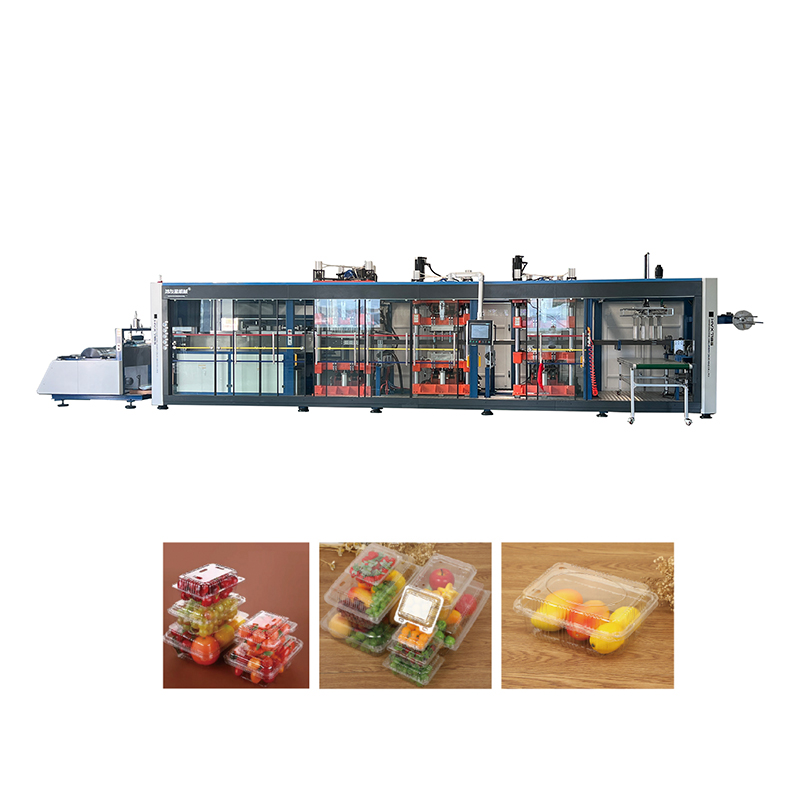
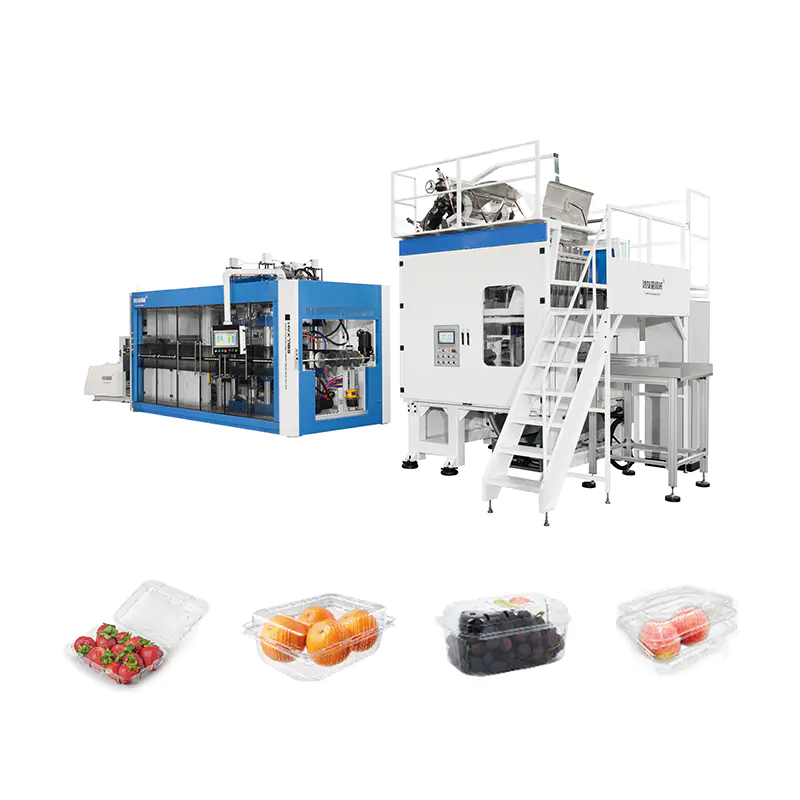
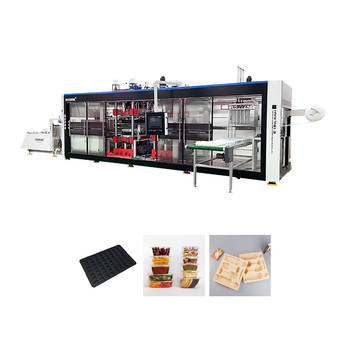
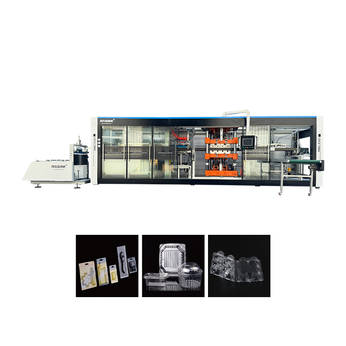
The full-automatic 4 stations thermoforming machine is widely recognized for its efficiency, precision, and adaptability in the production of a variety of plastic components. Its ability to handle multiple stages of heating, forming, and cooling within a single automated cycle makes it particularly suitable for high-volume manufacturing environments. A critical factor in achieving optimal results with this equipment lies in the selection of appropriate plastics.
Selecting the most suitable plastic for a full-automatic 4 stations thermoforming machine requires a thorough understanding of several material characteristics. These include thermal stability, forming temperature range, tensile strength, flexibility, clarity, chemical resistance, and shrinkage behavior. Manufacturers must evaluate the compatibility of plastics with the machine’s heating systems, mold designs, and production speeds to ensure consistent quality across all stages of the forming process.
Plastics that are too brittle may crack under high temperatures or rapid forming conditions, whereas those with excessive elasticity can result in uneven surfaces or deformation. Similarly, plastics with high shrinkage rates require precise mold calibration to maintain dimensional accuracy. Considering these factors helps operators minimize waste and avoid common issues such as warping, surface defects, and inconsistent thickness.
Several plastic types are frequently used in full-automatic 4 stations thermoforming machine applications. Each type has unique properties that make it suitable for specific products and industries. The table below provides a summary of the most commonly used plastics and their primary attributes:
| Plastic Type | Characteristics | Typical Applications | Advantages in Thermoforming |
|---|---|---|---|
| PET (Polyethylene Terephthalate) | High clarity, excellent strength, good chemical resistance | Food packaging, trays, clamshells | Maintains shape under heat, suitable for high-speed forming |
| PP (Polypropylene) | High fatigue resistance, low density, chemical resistance | Food containers, automotive parts | Flexible yet durable, low shrinkage, good impact resistance |
| PS (Polystyrene) | Rigid, transparent, low cost | Disposable cups, lids, packaging | Easy to mold, high surface quality, cost-effective |
| PVC (Polyvinyl Chloride) | Strong, versatile, chemical resistant | Blister packaging, signage | Excellent dimensional stability, moderate forming temperature |
| ABS (Acrylonitrile Butadiene Styrene) | Tough, impact resistant, good surface finish | Automotive parts, trays, housings | Resistant to cracking, maintains strength at higher temperatures |
| PETG (Glycol-Modified PET) | Clear, easy to thermoform, chemical resistant | Medical packaging, display units | Low shrinkage, good flexibility, clear finish |
These materials represent a balance of mechanical properties, heat tolerance, and process efficiency that allows the full-automatic 4 stations thermoforming machine to operate reliably in a wide range of production scenarios.
The performance of a full-automatic 4 stations thermoforming machine depends not only on the machine itself but also on the interaction between the plastic material and the forming process. Each stage of the machine—heating, forming, and cooling—imposes specific demands on the plastic sheet. For instance:
Proper material selection reduces the risk of defects such as thinning at corners, bubbling, or incomplete forming, and ensures consistent production quality.
In addition to conventional plastics, certain specialized materials are increasingly used with full-automatic 4 stations thermoforming machine in advanced applications. These materials often provide enhanced mechanical, chemical, or optical properties suitable for demanding environments.
| Plastic Type | Key Properties | High-Performance Applications |
|---|---|---|
| PC (Polycarbonate) | High impact resistance, transparency, heat resistance | Medical devices, electronics, safety equipment |
| HIPS (High Impact Polystyrene) | Improved toughness over standard PS, lightweight | Packaging for consumer electronics, protective trays |
| PLA (Polylactic Acid) | Biodegradable, renewable source | Sustainable food packaging, disposable containers |
The choice of high-performance plastics depends on the product requirements, including durability, clarity, and compliance with regulatory standards such as food safety or medical-grade certifications.
Choosing the correct plastic for a full-automatic 4 stations thermoforming machine offers several operational and commercial benefits:
These benefits highlight why material selection is as critical as mold design and machine calibration in high-volume production environments.
Plastic sheets for full-automatic 4 stations thermoforming machine are available in varying thicknesses. The sheet thickness directly affects the forming process, including heat absorption, stretch behavior, and cooling requirements. Key considerations include:
Selecting an optimal thickness range for each plastic type ensures smooth operation and consistent output quality.
The manufacturing industry increasingly emphasizes sustainable production practices, and material selection plays a key role in this context. Many plastics used in thermoforming, such as PET and PLA, offer recyclability or biodegradability, which aligns with environmental standards and consumer demand. Full-automatic 4 stations thermoforming machine operators can integrate these materials into production lines without compromising efficiency, contributing to a reduced environmental footprint.
To achieve the best results, manufacturers should adhere to the following guidelines:
Adhering to these practices ensures that the full-automatic 4 stations thermoforming machine delivers reliable, high-quality results across diverse applications.
Selecting the appropriate plastics for a full-automatic 4 stations thermoforming machine is essential for maximizing efficiency, maintaining product quality, and minimizing operational issues. Conventional materials such as PET, PP, PS, PVC, and ABS offer reliable performance for most applications, while high-performance plastics like PC, HIPS, and PLA cater to specialized requirements.
Q1: Can full-automatic 4 stations thermoforming machine process biodegradable plastics like PLA?
Yes, the machine can handle PLA sheets effectively. Proper temperature control and forming speed adjustments are essential to prevent deformation or cracking.
Q2: Which plastic provides the best clarity for packaging applications?
PET and PETG are ideal for applications requiring transparency and high optical clarity. They also maintain shape well during forming.
Q3: Is it possible to use high-impact plastics such as ABS for complex mold shapes?
Yes, ABS is suitable for complex molds due to its toughness and resistance to cracking, making it compatible with detailed thermoforming designs.
Q4: How do material thickness variations affect forming quality?
Thicker sheets may require longer heating and higher forming pressure, while thinner sheets can deform easily. Proper thickness selection ensures uniformity and reduces defects.
Q5: Are PVC sheets suitable for food packaging on full-automatic 4 stations thermoforming machine?
PVC can be used, but it requires careful temperature and pressure management. Material compliance with food safety standards should be verified before use.

 +8618621972598
  +8613917961988
  [email protected]
 No. 565, Xinchuan Road, Xinta Community, Lili Town, Wujiang District, Suzhou City, China
 Copyright © 2024 Thermoforming Machine/Plastic Cup Machine All Rights Reserved.Custom Automatic Vacuum Thermoforming Plastic Machine Manufacturers