

 English
 عربى
عربى 简体中文
简体中文
Home / News / Industry News / How Injection Molding and Thermoforming Compare: Choosing the Right Plastic Manufacturing Method

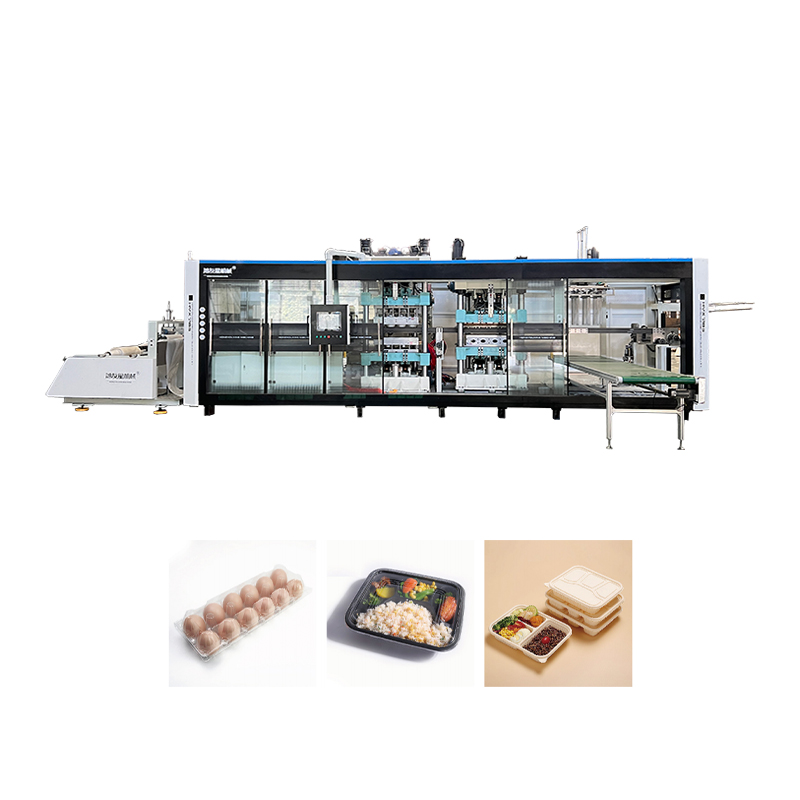
The plastic manufacturing industry relies on several well-established methods to transform raw materials into finished products. Two of the most widely used techniques are injection molding and thermoforming, each offering distinct advantages and limitations. Understanding the differences between these processes is critical for manufacturers, businesses, and professionals seeking to optimize production efficiency, reduce costs, and meet specific product requirements. This comprehensive guide explores the fundamental characteristics, advantages, disadvantages, and practical applications of both manufacturing methods, helping you make informed decisions about which approach best suits your production needs.
Injection molding is a highly automated manufacturing process that has dominated the plastic industry for decades. In this process, raw plastic material (typically in granular or pellet form) is fed into a heated cylinder, where it melts and becomes a viscous liquid. This molten plastic is then injected under high pressure into a precision-engineered mold cavity. Once the plastic cools and solidifies, the mold opens, and the finished component is ejected.
Injection molding machines operate in cycles, with each cycle producing one or more components. Modern injection molding systems are equipped with advanced control systems, allowing manufacturers to maintain consistent quality across large production runs. The process is particularly well-suited for high-volume production scenarios where economies of scale make the substantial initial investment in tooling justifiable.
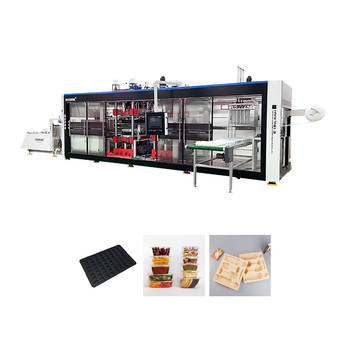
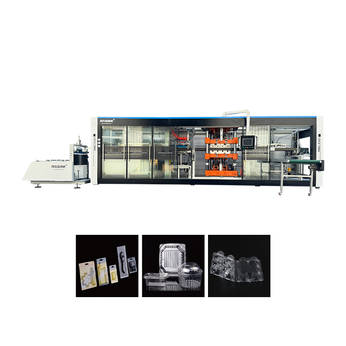
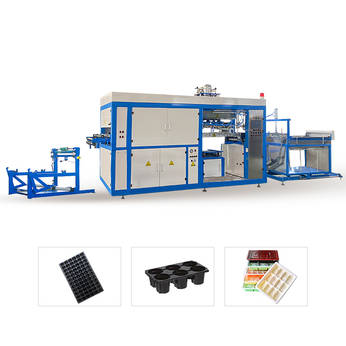
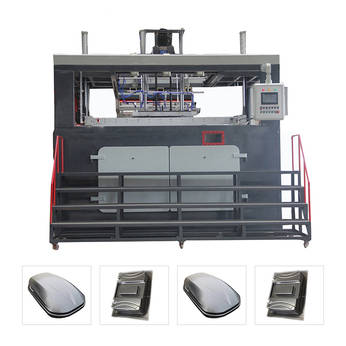
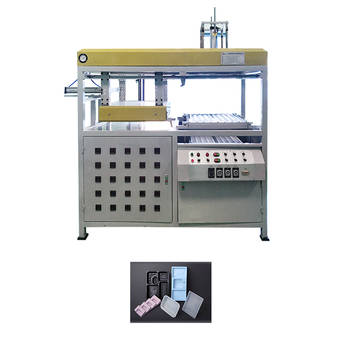
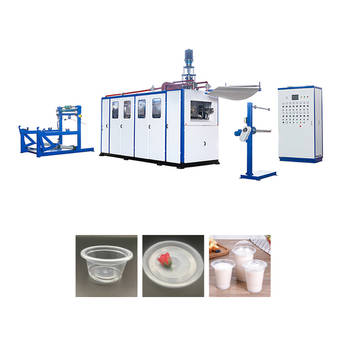
Thermoforming is a distinct manufacturing process where pre-made plastic sheets are heated until they become pliable, then shaped using molds or tooling. The most common variant, known as vacuum thermoforming, utilizes suction to pull the heated plastic sheet tightly against a mold cavity, creating the desired shape. This method has gained significant popularity in modern plastic manufacturing services due to its flexibility and lower initial investment requirements.
In a typical vacuum thermoforming cycle, a plastic sheet is clamped into position and passed through heating elements. Once the material reaches the appropriate temperature, a vacuum thermoforming machine applies vacuum pressure to draw the softened plastic into the mold cavity. After cooling, the formed part is separated from the sheet, and the surrounding waste material (trim) is removed. This straightforward yet effective approach makes thermoforming particularly advantageous for prototyping, custom applications, and mid-volume production runs.
While both processes produce plastic components, they differ significantly in methodology, economics, and suitability for different applications. The following comparison highlights the most important distinctions:
| Aspect | Injection Molding | Thermoforming |
| Initial Tooling Cost | $5,000 - $50,000+ | $500 - $5,000 |
| Production Volume | High volumes (100K+ units) | Low to mid volumes (1K-50K) |
| Part Thickness | Wide range (1mm - 10mm+) | Thinner walls (1mm - 5mm) |
| Dimensional Tolerance | ±0.1mm - ±0.5mm | ±0.5mm - ±1.5mm |
| Design Complexity | Highly complex shapes | Moderate complexity |
| Cycle Time | 20 - 120 seconds | 60 - 300 seconds |
| Setup Time | Complex and lengthy | Simple and quick |
The economic choice between injection molding and thermoforming depends heavily on production volume. Injection molding requires substantial upfront investment in mold design and fabrication, but per-unit costs decrease significantly with higher production volumes. Studies indicate that for production runs exceeding 50,000 units annually, injection molding typically becomes more cost-effective. Conversely, plastic thermoforming services excel in scenarios requiring lower volumes, rapid design iterations, or product customization, as the reduced tooling expenses offset higher per-unit production costs in these scenarios.
Both manufacturing processes work with various plastic materials, but their capabilities and limitations differ. Injection molding accommodates a wider spectrum of engineering plastics, including high-performance materials like polycarbonate, ABS, and reinforced nylons. The process can utilize both thermoplastics and some thermoset materials, providing flexibility for demanding applications.
Thermoforming primarily works with thermoplastic materials that soften when heated and harden upon cooling. Common materials include polyethylene (PE), polypropylene (PP), polyvinyl chloride (PVC), and polystyrene (PS). The material selection for thermoforming is driven by availability in sheet form and the ability to withstand heating without degradation. While this restriction might seem limiting, it actually provides advantages in applications where specific material properties—such as clarity, flexibility, or chemical resistance—are essential.
Understanding where each technology excels is crucial for selecting the right manufacturing method. Different industries have established preferences based on production requirements and economic factors.
Quality standards and precision capabilities represent another critical distinction between these manufacturing methods. Injection molding delivers superior dimensional accuracy and tighter tolerances, making it ideal for applications where precision is non-negotiable. The process naturally produces smoother surface finishes and allows for integrated features like snap fits, threads, and precise alignment points.
Thermoforming, while capable of producing quality components, operates with slightly looser tolerances. However, this apparent limitation is offset by other advantages: parts can be easily customized with printed graphics or variable dimensions without mold modifications. Surface finishes are generally good, though thermoformed parts typically require post-processing trim operations. The flexibility to achieve various surface textures and finishes without additional tool changes makes thermoforming particularly valuable for applications requiring aesthetic customization.
As sustainability becomes increasingly important in manufacturing decisions, both processes offer distinct environmental profiles. Injection molding's high efficiency and minimal waste production make it environmentally attractive for large-scale manufacturing. Modern injection molding systems optimize material usage and energy consumption, contributing to lower carbon footprints per unit when production volumes justify the process investment.
Thermoforming presents different sustainability advantages. The lower energy requirements per part, reduced tooling needs (minimizing waste from mold fabrication), and ability to work with recycled plastic materials make it attractive from an environmental perspective. Many plastic thermoforming services now emphasize their capability to process recycled content, supporting circular economy initiatives. Additionally, the simpler equipment design and lower operational complexity result in reduced overall manufacturing energy consumption compared to injection molding for equivalent production volumes.
Selecting the appropriate manufacturing method requires careful evaluation of multiple factors specific to your application:
Both manufacturing sectors continue to evolve with technological advancements. Injection molding has embraced Industry 4.0 principles, incorporating real-time monitoring, predictive maintenance, and artificial intelligence to optimize production parameters. Advanced materials including bio-based plastics and carbon fiber reinforced compounds are expanding the material palette available to injection molding operations.
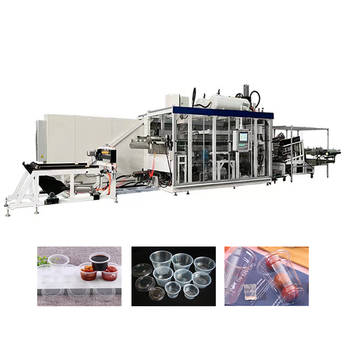
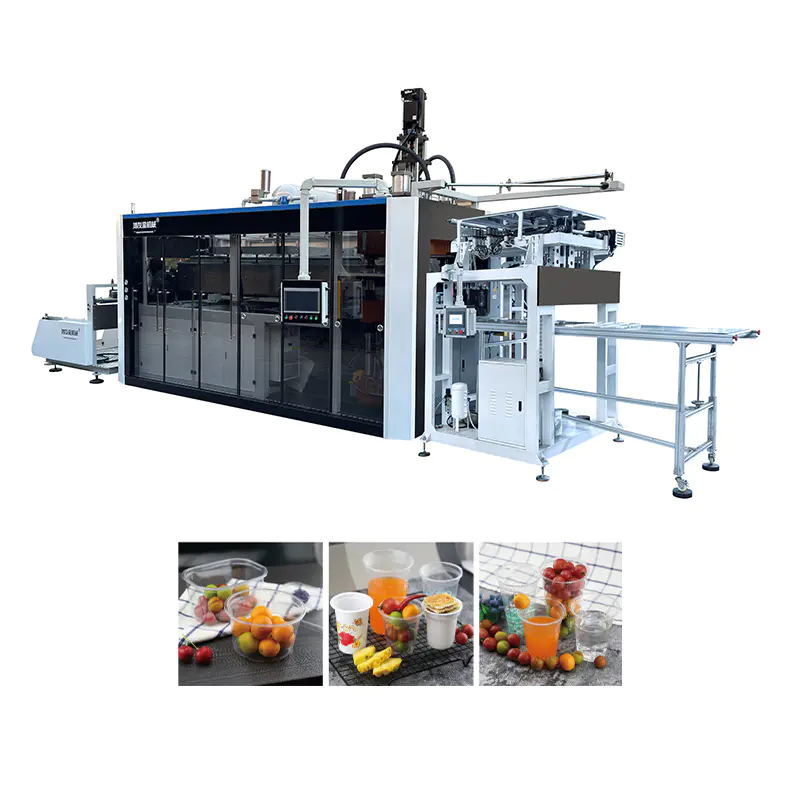
Thermoforming technology advancement focuses on automation, precision control, and multi-cavity operations. Modern vacuum thermoforming machines offer increasingly sophisticated temperature control, vacuum profile optimization, and integrated trim/cut operations. The industry is witnessing growing adoption of automated material handling, in-line quality inspection, and modular tool systems that accelerate changeovers and reduce setup times. These innovations are expanding thermoforming's competitive advantage in mid-volume production scenarios.
Understanding the total cost of ownership requires analyzing multiple factors beyond initial tooling investment. For injection molding, consider mold material selection (aluminum versus steel), cooling system complexity, and expected mold lifespan. A steel mold for complex components may cost $20,000-$50,000 but sustain 1-2 million cycles, while an aluminum mold ($5,000-$15,000) might support 100,000-300,000 cycles.
Thermoforming tool costs depend on configuration complexity and material (aluminum or composite construction typically ranges from $1,000-$5,000 per tool). Since multiple tools can cost-effectively run on a single thermoforming machine, comparing equipment utilization becomes important. Analysis shows that for production runs between 10,000-30,000 units, thermoforming often delivers superior ROI due to lower tooling investments and faster time-to-market advantage that can provide first-mover benefits in competitive markets.
A strategic consideration involves planning for potential production scaling. Many successful products begin with thermoforming for rapid development and market validation, then transition to injection molding as volumes justify the investment. This hybrid approach minimizes financial risk while maintaining development agility.
Suppliers specializing in comprehensive plastic manufacturing services can facilitate this transition, possessing expertise and capabilities in both technologies. Design optimization often occurs during this transition—parts might be redesigned to exploit injection molding's capability for more complex features, or simplified to reduce injection molding tooling costs. Early collaboration with manufacturing partners during product development ensures designs align with chosen manufacturing methods and future scaling strategies.
While injection molding can be economical at lower volumes for simple parts with aluminum tools, economic efficiency typically improves significantly above 50,000 units annually. However, for specialized medical or automotive applications, smaller volumes may justify injection molding due to material performance requirements that thermoforming cannot meet.
Not all injection-molded designs are convertible to thermoforming, particularly those featuring complex internal geometry, thin ribs, or undercuts. However, many simpler designs can be successfully thermoformed with minimal design modifications, often resulting in acceptable functional parts at lower cost for suitable applications.
Thermoforming tooling typically requires 2-4 weeks, while injection molding molds may require 6-12 weeks depending on complexity. This timeline advantage contributes significantly to thermoforming's appeal for products requiring rapid market entry or extensive design refinement.
Thermoforming generates more waste material in the form of trim and sprue, typically representing 15-30% of the starting sheet. Injection molding produces minimal waste when gated efficiently (typically under 5%), though sprue and reject rates must be managed. However, thermoforming's trim material is often recycled directly back into new sheets by suppliers.
Injection molding integrates color directly into the material, providing excellent color consistency and finish options. Thermoforming offers flexibility to apply graphics, coatings, or printed designs after forming, enabling customization that can be changed without tool modifications. For color-critical applications requiring precise matching, injection molding provides superior consistency.
Injection molding requires regular preventive maintenance including mold cleaning, clamp force monitoring, and thermal system servicing to maintain consistency across long production runs. Thermoforming equipment requires heating element maintenance and vacuum system checks. Overall, thermoforming typically demands less intensive maintenance, contributing to its lower operational complexity.
Both processes must comply with regulations regarding plastic type, recycled content requirements, and end-of-life management. Thermoforming's ability to work with recycled materials and biodegradable plastics provides advantages in markets with stringent sustainability requirements. Injection molding accommodates a broader material spectrum, including specialty materials with specific performance properties required by regulated industries.

 +8618621972598
  +8613917961988
  [email protected]
 No. 565, Xinchuan Road, Xinta Community, Lili Town, Wujiang District, Suzhou City, China
 Copyright © 2024 Thermoforming Machine/Plastic Cup Machine All Rights Reserved.Custom Automatic Vacuum Thermoforming Plastic Machine Manufacturers