

 English
 عربى
عربى 简体中文
简体中文
Home / News / Industry News / How Do Different Rim Rolling Techniques Affect the Structural Integrity of Plastic Cups?

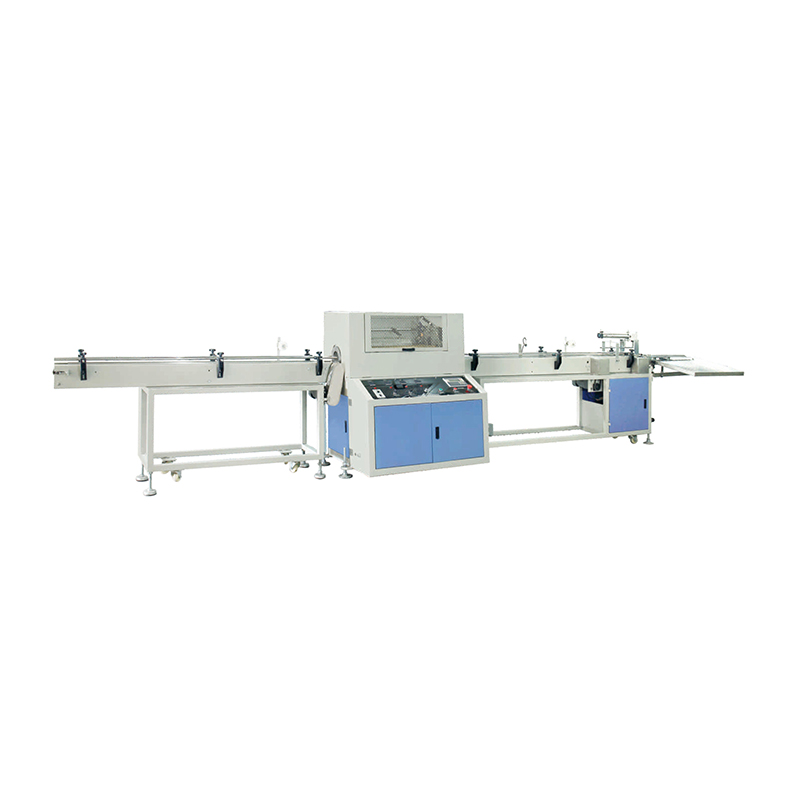
Plastic cups are commonly used in a variety of applications, ranging from everyday consumer use to industrial packaging. The process of rolling the rim of plastic cups plays a crucial role in enhancing the overall quality, durability, and performance of the final product. Rim rolling is a manufacturing technique that involves bending or shaping the top edge of a plastic cup to improve its structural integrity, functionality, and aesthetic appeal. The different techniques used in this process can significantly impact the final properties of the cups, particularly their strength, stability, and ability to withstand various external forces.
Rim rolling involves the controlled deformation of the top edge of the plastic cup, typically through Plastic Cup Rim Rolling Machine or automated processes. This process not only gives the cup a smooth and uniform finish but also reinforces its structural strength. Different techniques are employed based on the desired outcome, material type, and production speed. Below are the most common techniques:
Hot Rolling
Hot rolling involves heating the plastic cup’s rim to a specific temperature before it is mechanically rolled or pressed into shape. This process helps improve the flexibility of the material, making it easier to form without causing stress cracks or other defects. Hot rolling is often used for thicker plastics or when greater strength is required in the final product.
Cold Rolling
Cold rolling is performed at room temperature and relies on mechanical force to shape the rim of the cup. This technique is generally used for more rigid plastics that do not require heat to be shaped. Cold rolling tends to result in a more precise rim profile and is often preferred in high-volume manufacturing environments.
Compression Rolling
Compression rolling is a variation of the rolling process that applies both radial and axial pressure to the plastic cup’s rim. This method enhances the structural integrity by compressing the plastic, creating a denser, stronger rim. Compression rolling is often used for cups that need to withstand high internal pressures, such as those used in beverages or industrial applications.
Extrusion Rolling
In extrusion rolling, the plastic cup is passed through an extrusion die that shapes the rim as it is formed. This technique allows for high customization of the rim’s shape, size, and thickness, making it ideal for cups with specialized features or for achieving specific structural properties.
The rim of a plastic cup is critical in determining its overall strength and stability. It serves as the most vulnerable area when the cup is subjected to mechanical stress or external pressure. The various rolling techniques impact the cup’s structural integrity in the following ways:
Material Distribution and Strength
One of the primary effects of different rolling techniques is the redistribution of material at the cup’s rim. For instance, hot rolling helps to increase the plastic’s flowability, allowing for an even distribution of material around the rim. This can result in a more uniform thickness, which helps improve the overall strength of the cup. Conversely, cold rolling can lead to slight material thinning, which may decrease the cup’s resistance to pressure.
Rim Profile and Load-Bearing Capacity
The profile of the rim, including its curvature and thickness, plays a vital role in the cup’s load-bearing capacity. Techniques like compression rolling can produce a thicker, denser rim, which enhances the cup’s ability to resist deformation under load. Extrusion rolling allows for greater control over the profile, enabling the creation of reinforced rims capable of withstanding higher stress.
Impact Resistance
The structural integrity of plastic cups is also affected by their ability to resist impact. Hot rolling, with its ability to manipulate the molecular structure of the plastic, can improve the cup’s ability to absorb and distribute impact forces. Cold rolling, while providing a precise profile, may lead to a more brittle cup rim, particularly in harder plastic materials. Compression rolling, however, can enhance the cup’s resistance to impact by increasing the density of the rim material.
Environmental Resistance
Environmental factors, such as temperature fluctuations and exposure to UV light, can also affect the performance of plastic cups. Rolling techniques that involve heating, such as hot rolling, can potentially make the cup more susceptible to degradation if not properly managed. On the other hand, cold rolling, which does not involve heating, may result in cups that are more resistant to heat-induced degradation, though they might not perform as well under stress or impact.
Several key factors influence the choice of rim rolling technique and its impact on the structural integrity of plastic cups. These include:
Material Type
Different plastic materials exhibit distinct properties when subjected to various rolling techniques. Materials like PET, PP, and PS have different melting points, flow characteristics, and tensile strengths, all of which impact their response to rolling processes. For example, PET cups are more suitable for hot rolling due to the material’s ability to soften and flow under heat, while PS cups may benefit more from cold rolling due to their rigidity.
Cup Design and Size
The design and size of the plastic cup can significantly affect the rolling process. Larger cups or those with unique shapes may require specialized rolling techniques to ensure uniform rim formation and adequate strength. Smaller cups may benefit from faster, automated processes such as cold or extrusion rolling.
Production Volume and Speed
High-volume production environments typically favor techniques that can be automated and performed at high speeds, such as cold rolling or extrusion rolling. These methods allow for the mass production of cups with consistent quality and minimal downtime. On the other hand, hot rolling may be more suited for lower-volume, high-quality cup production where customization is critical.
| Technique | Key Advantage | Key Disadvantage | Ideal Application |
|---|---|---|---|
| Hot Rolling | Improved flexibility and material flow | Higher energy consumption | Thicker plastic cups, complex shapes |
| Cold Rolling | Precise rim profile, energy efficient | May cause material thinning | High-volume production, rigid plastics |
| Compression Rolling | Enhanced strength and density | Slower process, more mechanical strain | High-pressure resistance, industrial cups |
| Extrusion Rolling | High customization of rim profile | Complex die requirements | Specialized cup designs, custom features |
Different rim rolling techniques play a significant role in determining the structural integrity of plastic cups. Each method offers distinct advantages and challenges depending on the material properties, cup design, and intended application. By understanding the effects of these techniques, manufacturers can optimize production processes to ensure that the final product meets the required strength, durability, and performance standards.
1. What is the best rolling technique for improving the strength of plastic cups?
The best technique depends on the material and intended use of the cup. Compression rolling is ideal for enhancing strength and resistance to internal pressures, while hot rolling can improve flexibility and uniformity.
2. Can rim rolling techniques be used for all plastic cup materials?
No, each technique is suited to specific materials. For example, PET is often used with hot rolling, while PP cups may perform better with cold rolling due to their rigidity.
3. How does rim rolling affect the cost of production?
Hot and compression rolling tend to be more energy-intensive, increasing production costs. Cold rolling, however, is generally more cost-effective, particularly in high-volume manufacturing environments.

 +8618621972598
  +8613917961988
  [email protected]
 No. 565, Xinchuan Road, Xinta Community, Lili Town, Wujiang District, Suzhou City, China
 Copyright © 2024 Thermoforming Machine/Plastic Cup Machine All Rights Reserved.Custom Automatic Vacuum Thermoforming Plastic Machine Manufacturers