

 English
 عربى
عربى 简体中文
简体中文
Home / News / Industry News / How do I determine the throughput capacity I need for a Thermoforming line crusher?

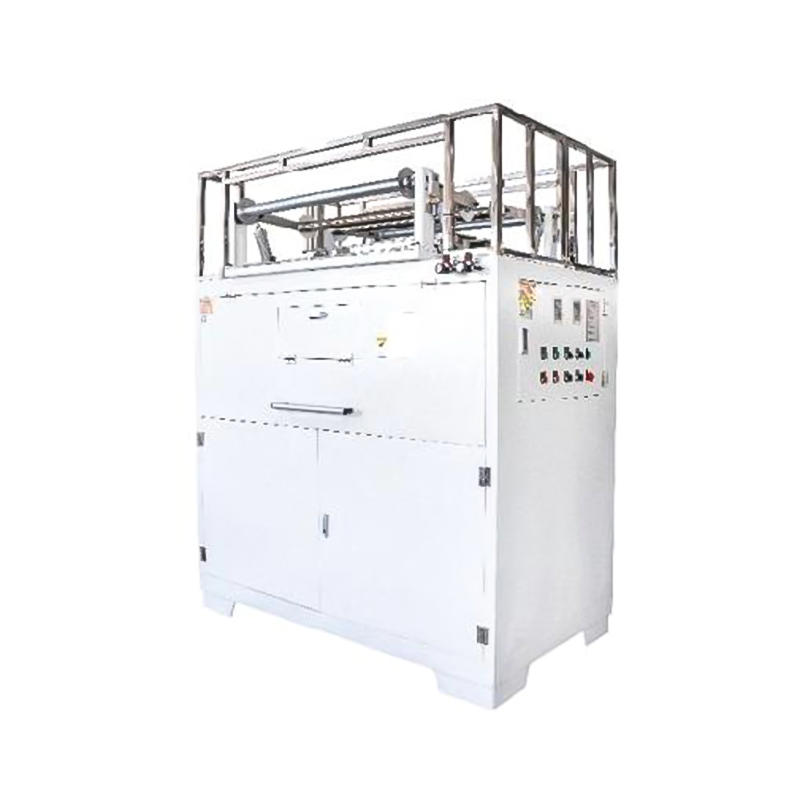
Determining the throughput capacity required for a thermoforming line crusher is a crucial step for any manufacturer or facility operator involved in plastic thermoforming processes. A correctly sized crusher ensures operational efficiency, reduces waste, and minimizes energy costs while maintaining consistent product quality.
Throughput capacity refers to the volume or weight of material that a thermoforming line crusher can process within a specific time frame. This is a critical factor for both small-scale and industrial operations. Choosing a crusher with inadequate capacity can lead to production bottlenecks, increased wear on machinery, and inefficient recycling of thermoformed plastics. Conversely, overestimating capacity requirements may result in unnecessary capital expenditure and higher operational costs.
Throughput is influenced by several factors, including the type of thermoformed plastic, the thickness of the material, the frequency of production runs, and the desired particle size after crushing. Understanding these factors is essential for determining the correct thermoforming line crusher for your facility.
The first step in determining throughput capacity is to assess your daily, weekly, or monthly production volume. This assessment should account for all forms of waste generated during the thermoforming process, including edge trim, defective parts, and excess material. Identifying these volumes allows manufacturers to estimate the quantity of material that must be recycled or processed through a thermoforming line crusher.
It is also important to consider the consistency of production. Facilities with fluctuating production volumes may benefit from a crusher with adjustable throughput capabilities. Flexibility in capacity allows the machine to handle peak production periods without compromising efficiency or causing equipment strain.
Different thermoformed plastics behave differently during the crushing process. Factors such as rigidity, thickness, and surface finish affect how easily a material can be processed. A thermoforming line crusher designed for thin, flexible plastics may not be suitable for rigid or multi-layered materials.
Assessing the physical properties of your waste stream helps in selecting a machine with the appropriate cutting system, rotor speed, and blade configuration. Proper alignment between material characteristics and crusher capabilities ensures that throughput targets are achievable without frequent downtime or maintenance issues.
The desired output size of crushed material directly impacts throughput requirements. Smaller particle sizes typically require more passes through the crusher or a more powerful machine, which can reduce the effective throughput rate. Conversely, if the application allows for larger shredded pieces, the crusher may operate at a higher throughput without additional strain.
Manufacturers should define the end-use requirements for crushed material, whether it is for internal recycling, re-extrusion, or compounding. By understanding the particle size specification, operators can better estimate the processing speed and crusher performance necessary to achieve consistent results.
Thermoforming line crushers come in various configurations, including single-shaft, double-shaft, and four-shaft designs. Each configuration offers distinct advantages in terms of throughput capacity, energy consumption, and maintenance requirements.
Selecting the right machine configuration is critical for aligning throughput capacity with production demands.
The efficiency of a thermoforming line crusher is also influenced by its feeding system. Continuous or automated feeding mechanisms can maintain a steady flow of material, maximizing throughput while reducing the risk of jams or uneven processing. Manual feeding may be suitable for low-volume operations but can limit throughput potential.
In addition, some machines offer adjustable feed rates, allowing operators to optimize the processing speed based on the characteristics of the material. A well-designed feeding system is essential for achieving consistent throughput and preventing interruptions in production.
Operational efficiency is a key consideration when determining throughput capacity. Efficiency is affected not only by the machine’s specifications but also by maintenance schedules, operator skill, and production practices. Regular inspection of blades, rotors, and screens ensures that the crusher operates at peak performance. Proper lubrication and timely replacement of worn parts reduce downtime and help maintain consistent throughput.
Facilities should also evaluate energy consumption relative to throughput. Machines that achieve higher output with lower power usage offer significant cost savings over time. Therefore, balancing throughput with operational efficiency is essential for long-term profitability.
Throughput requirements may also be influenced by environmental regulations or industry standards. Efficient recycling of thermoformed plastics can reduce waste disposal costs and ensure compliance with environmental policies. Selecting a thermoforming line crusher capable of handling the expected material volume while meeting regulatory requirements is essential for sustainable operations.
Moreover, noise and dust emissions are affected by throughput and machine design. Proper enclosures, dust collection systems, and noise-reducing features contribute to a safer and more compliant working environment, especially in facilities with high processing volumes.
When determining the throughput capacity for a thermoforming line crusher, it is important to consider not only current production but also future expansion plans. Selecting a machine with slightly higher capacity than currently required provides flexibility for increased production without necessitating immediate equipment replacement.
Anticipating changes in product lines, material types, or production schedules ensures that the crusher remains effective and cost-efficient over its operational lifetime. A forward-looking approach helps avoid underperforming machinery and unnecessary downtime in the future.
Manufacturers typically provide throughput ratings for their thermoforming line crusher models. These ratings indicate the maximum volume or weight that can be processed under ideal conditions. When comparing machines, it is important to consider:
By reviewing these ratings in the context of your facility’s specific requirements, operators can make informed decisions about the machine best suited for their production needs.
A practical way to determine throughput capacity is to map production needs against crusher performance. A table can provide a clear comparison:
| Production Volume (kg/day) | Material Type | Desired Particle Size | Recommended Crusher Configuration | Notes |
|---|---|---|---|---|
| 500–1000 | Rigid PET | Medium | Double-shaft | Suitable for moderate production |
| 1000–3000 | Flexible PP | Small | Single-shaft with adjustable feed | Efficient for smaller plastics |
| 3000+ | Mixed thermoformed plastics | Medium-Small | Multi-shaft | Ideal for high-capacity operations |
This approach helps visualize how production volume, material type, and desired output interact to determine the appropriate thermoforming line crusher capacity.
Throughput capacity is closely tied to machine reliability and maintenance practices. High-volume operations require crushers that can maintain consistent output without frequent breakdowns. Regular inspection, blade sharpening, and lubrication schedules are essential to sustaining throughput.
Additionally, selecting a machine with easily replaceable parts and accessible service points reduces downtime, ensuring that throughput targets are consistently met. Operator training and proper handling practices also play a significant role in maintaining high-capacity performance.
Determining the throughput capacity needed for a thermoforming line crusher requires a comprehensive assessment of production volume, material characteristics, desired particle size, machine configuration, and operational efficiency. Evaluating feeding systems, future production needs, and maintenance requirements further ensures that the selected crusher aligns with both current and long-term manufacturing goals.
By carefully analyzing these factors, manufacturers can select a thermoforming line crusher that optimizes material recycling, improves operational efficiency, and supports sustainable production practices. Using tables and clear specifications helps compare options and make informed decisions, ensuring that throughput capacity meets the facility’s requirements without compromising performance or quality.

 +8618621972598
  +8613917961988
  [email protected]
 No. 565, Xinchuan Road, Xinta Community, Lili Town, Wujiang District, Suzhou City, China
 Copyright © 2024 Thermoforming Machine/Plastic Cup Machine All Rights Reserved.Custom Automatic Vacuum Thermoforming Plastic Machine Manufacturers